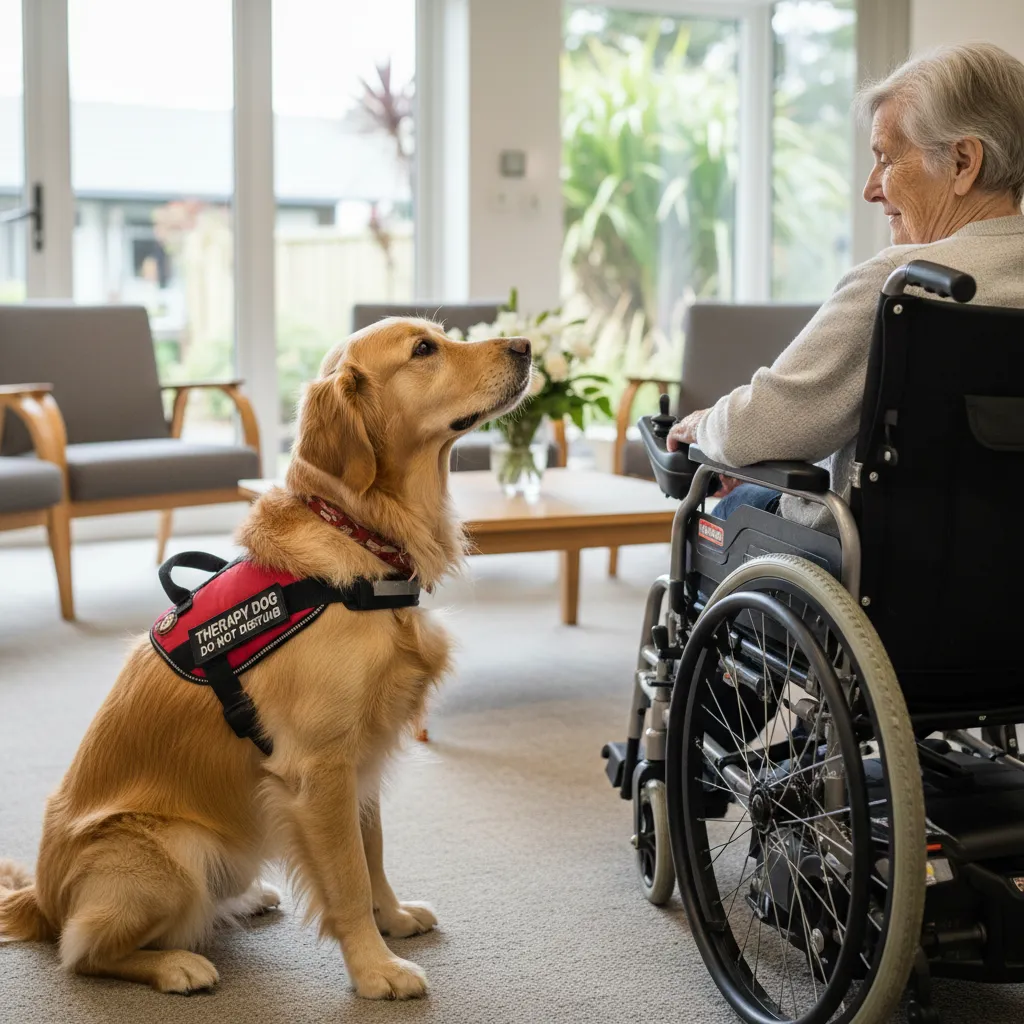
Therapy dogs in palliative care NZ provide specialized animal-assisted interventions to enhance the quality of life for patients with life-limiting illnesses. These professionally trained canines offer non-judgmental companionship, reduce anxiety, and lower physiological stress markers, serving as a vital bridge for communication and emotional comfort within New Zealand hospices and care facilities.
The Role of Dogs in End-of-Life Comfort
In the context of New Zealand’s healthcare system, the integration of therapy dogs into palliative care represents a holistic approach to patient well-being. Palliative care focuses not on curing an illness, but on providing comfort and maintaining the highest possible quality of life. Therapy dogs are uniquely positioned to address the psychological, social, and spiritual needs of patients—needs that medication alone often cannot fulfill.
The presence of a therapy dog facilitates the release of oxytocin, often referred to as the “love hormone,” while simultaneously lowering cortisol levels associated with stress. For patients in hospice care, who may be experiencing high levels of anxiety regarding their prognosis or pain, this physiological shift is significant. It can lead to lowered blood pressure, reduced heart rate, and a temporary distraction from chronic pain perception.
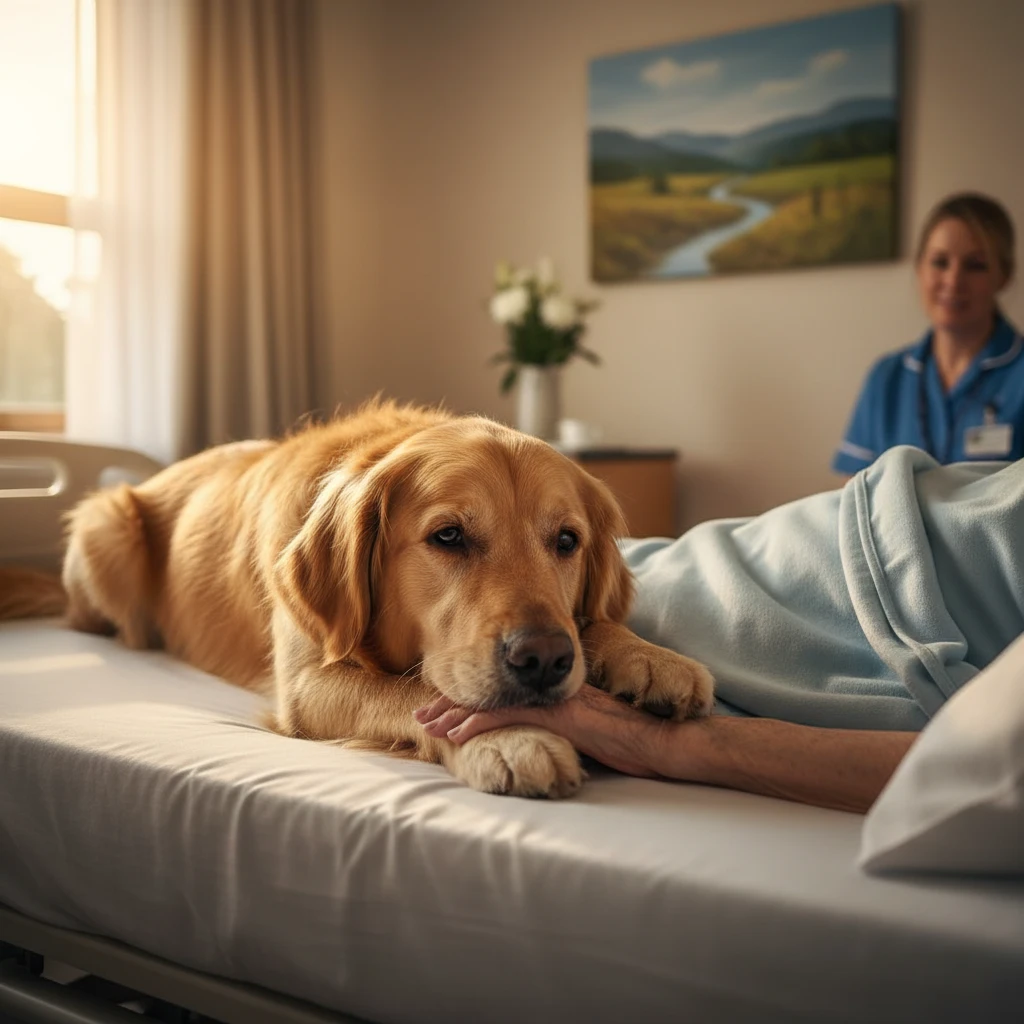
Furthermore, within the framework of Te Whare Tapa Whā, the Māori model of health, therapy dogs contribute significantly to Taha Wairua (spiritual health) and Taha Whānau (family health). For many Kiwis, animals have been lifelong companions. Reconnecting with an animal during end-of-life care validates the patient’s identity beyond their illness, offering a sense of normalcy and unconditional love that requires no verbal articulation.
Breaking the Clinical Barrier
Hospice environments, despite best efforts, can feel clinical and sterile. A dog changes the atmosphere of a room instantly. They serve as social catalysts, encouraging interaction between patients, staff, and visitors. For a patient who has become withdrawn or non-verbal, the tactile experience of stroking a dog’s fur can ground them in the present moment, providing a respite from medical procedures and clinical discussions.
Hospice-Specific Protocols for Animal Visits
While the benefits are clear, the logistics of introducing animals into a clinical environment require rigorous adherence to safety and hygiene standards. In New Zealand, facility managers must comply with the Health and Safety at Work Act 2015, ensuring that the introduction of animals does not pose a risk to patients, staff, or the animals themselves.
Infection Control and Hygiene Standards
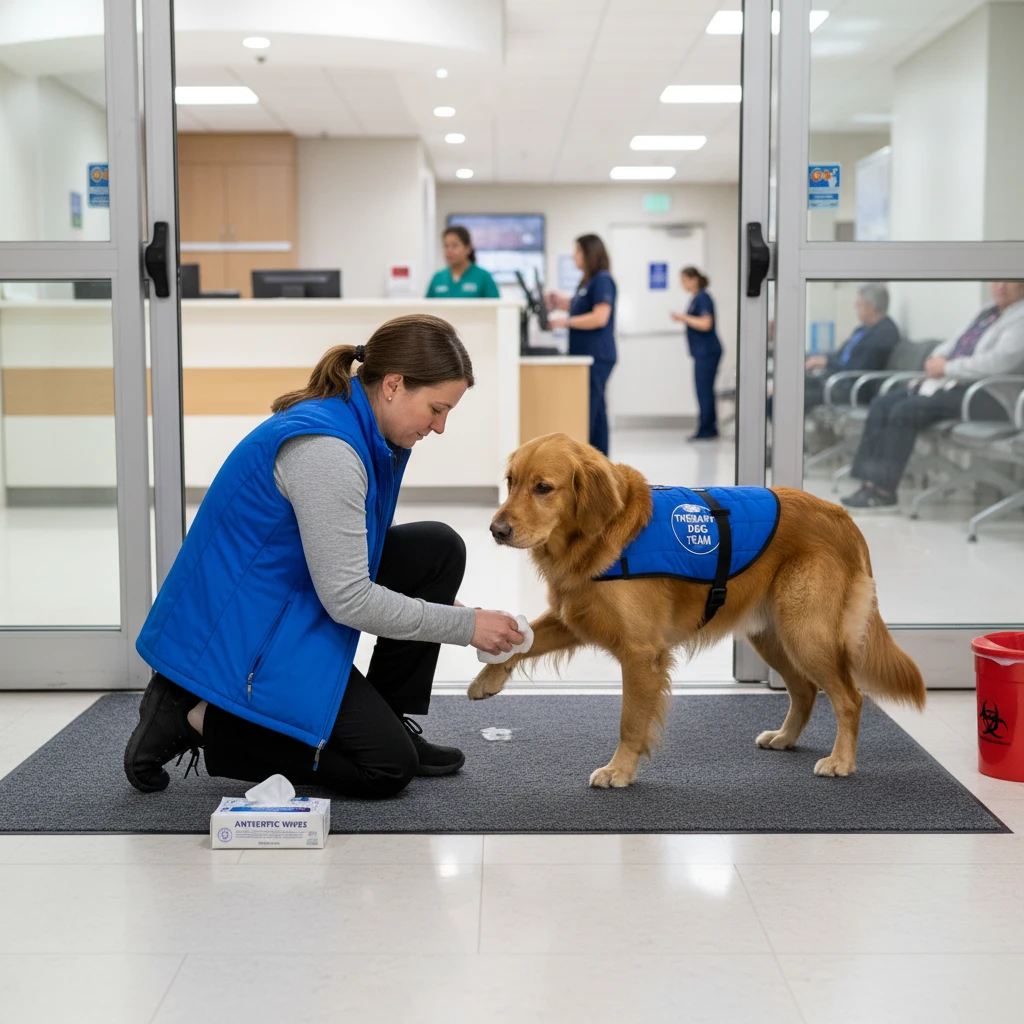
Infection control is the primary concern in palliative settings where patients are often immunocompromised. Protocols must include:
- Grooming Requirements: Dogs must be bathed within 24 hours prior to a visit to reduce dander and allergens. Nails must be trimmed to prevent scratching fragile skin.
- Parasite Control: Mandatory, documented proof of regular flea, tick, and worming treatments.
- Zoonotic Disease Prevention: Dogs must not visit if they show any signs of illness (vomiting, diarrhea, skin infections). Handlers must carry hand sanitizer and ensure that anyone interacting with the dog sanitizes their hands before and after contact.
- Restricted Areas: Clear demarcation of zones where dogs are not permitted, such as sterile preparation rooms, medication storage areas, and kitchens.
Consent and Exclusion Criteria
Not all patients or staff are comfortable around dogs. Allergies, phobias, or cultural beliefs must be respected. A robust protocol involves:
- Active Consent: Visits should only occur upon the request or explicit permission of the patient or their proxy.
- Signage: Placing signs at the entrance of the facility or specific wings alerting visitors and staff that a therapy dog is on the premises.
- Exclusion Criteria: Identifying patients who are highly immunosuppressed (e.g., severe neutropenia) where the risk of zoonotic transfer, however slight, is deemed too high by the medical team.
Insurance and Liability
Organisations providing therapy dogs in NZ, such as St John Therapy Pets or independent providers, must carry public liability insurance. This covers incidents ranging from minor property damage to accidental injury. Facilities must verify this coverage before allowing regular visits. Additionally, an incident reporting system must be in place to document any scratches, nips, or behavioral concerns immediately.
Emotional Support for Grieving Families
Palliative care extends beyond the patient to the whānau (family). Watching a loved one decline is an emotionally exhausting experience. Therapy dogs often serve as a conduit for the family’s emotions, providing a safe space to release grief.
Family members often feel helpless, standing by while medical professionals tend to the patient. Engaging with a therapy dog gives them a moment of respite. It allows them to step out of the “caregiver” or “mourner” role and simply experience joy or comfort. This “emotional break” is crucial for preventing compassion fatigue among family members who are spending long hours at the bedside.
Supporting Children in Hospice Environments
Children visiting dying relatives can find the hospice environment frightening. Medical equipment, the physical changes in their loved one, and the somber atmosphere can be overwhelming. Therapy dogs act as a bridge for these children.
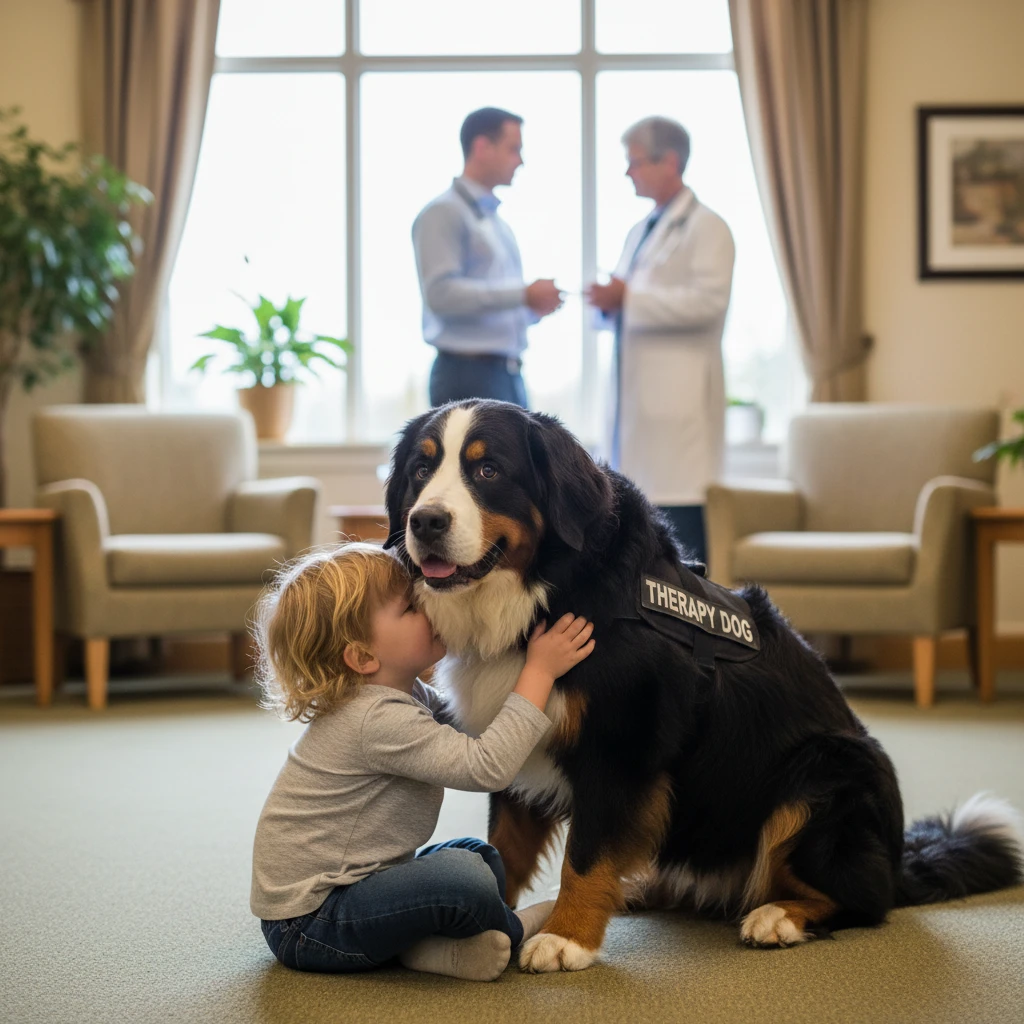
The dog provides a non-threatening focus point. A child might not want to talk to a counselor, but they will often talk to a dog. Handlers are trained to facilitate these interactions, allowing the dog to provide silent comfort while the child processes their surroundings. This can make the final memories of a loved one less traumatic and more centered around the warmth of the visit.
Training Dogs for Sensitive Environments
A palliative care therapy dog requires a temperament and training level far exceeding that of a standard pet or even a general visitation dog. The environment is unpredictable, filled with strange noises, smells, and equipment.
Desensitization to Medical Equipment
Training involves rigorous desensitization. Dogs must remain calm around:
- Mobility Aids: Wheelchairs, walkers, and gurneys moving at various speeds.
- Medical Machinery: The rhythmic beeping of IV pumps, the hiss of oxygen tanks, and the sudden alarms of monitors.
- Tubing and Wires: Dogs must be spatially aware, ensuring they do not tangle in IV lines or catheter tubes while approaching a bed.
Temperament and Behavioral Cues
The ideal therapy dog for this niche must possess a low-arousal temperament. They cannot be jumpy, overly vocal, or easily startled. Key commands and behaviors include:
- “Visit” or “Place”: The ability to gently place a head on a bed or lap without applying excessive pressure.
- Loose Leash Walking: Navigating tight corridors without pulling, regardless of distractions.
- Leave It: Essential for dropped medication or food items.
- Recall and Disengagement: The ability to immediately disengage from a person if the handler notices signs of patient fatigue or distress.
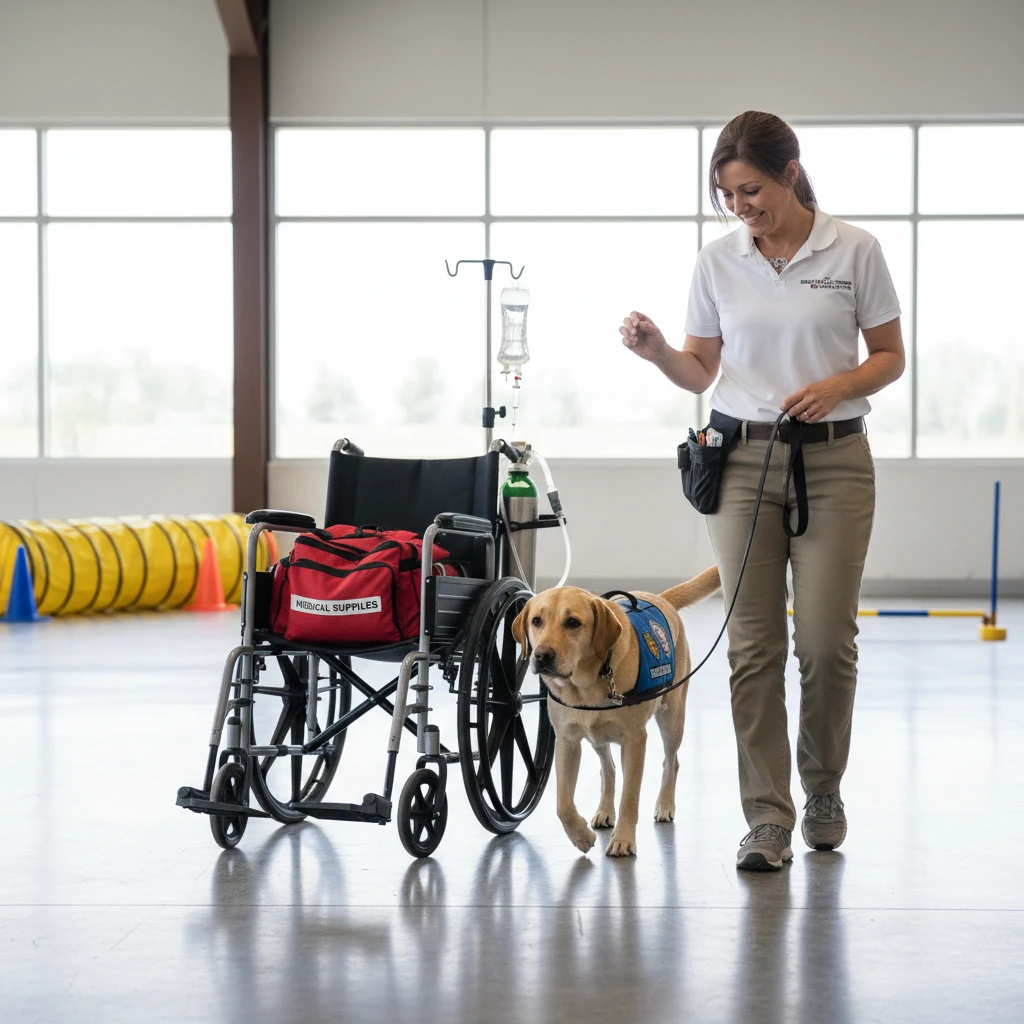
Handler Training
In the NZ model, the handler is as important as the dog. Handlers in palliative care need training in:
- Grief Literacy: Understanding how to interact with grieving families without imposing.
- Confidentiality: Strict adherence to patient privacy laws (Privacy Act 2020).
- Canine Body Language: Recognizing subtle signs of stress in their dog (lip licking, whale eye) to prevent burnout and ensure safety.
Implementing a Therapy Dog Program in Your Facility
For facility managers in New Zealand looking to introduce this service, the pathway involves strategic planning and partnership.
Partnering with Accredited Organisations
Rather than an ad-hoc approach, it is recommended to partner with established bodies like St John Therapy Pets, Canine Friends Pet Therapy, or Therapy Dogs New Zealand. These organisations handle the recruitment, vetting, and insurance of the teams. They ensure that the dogs have passed the Canine Good Citizen test (or equivalent) and specific temperament assessments for high-dependency environments.
Developing a Facility Policy
Before the first paw crosses the threshold, a comprehensive policy document should be drafted. This should cover:
- Booking Procedures: How staff request a visit for a patient.
- Incident Management: Step-by-step protocols for bites, scratches, or toileting accidents.
- Staff Education: Briefing clinical staff on how to interact with the dog and handler, ensuring they do not distract the dog from its work.
By strictly adhering to these logistics and maintaining a focus on the profound human-animal bond, therapy dogs can safely and effectively transform the end-of-life experience for New Zealanders, bringing light and comfort to the most difficult of times.
Frequently Asked Questions
What qualifications do therapy dogs need for palliative care in NZ?
Therapy dogs in NZ typically require a Canine Good Citizen award (or equivalent) and must pass a specific temperament assessment by a recognized organisation (like St John or Therapy Dogs NZ). They need to be desensitized to medical equipment, loud noises, and sudden movements, and must be fully vaccinated and parasite-free.
Can a patient’s own dog visit them in hospice?
Yes, many NZ hospices have “pet visitation” policies that differ from “therapy dog” programs. Patient’s own pets are usually allowed if they are clean, vaccinated, and supervised by a family member, but this must be arranged with the facility management in advance to ensure safety and infection control.
Are therapy dogs allowed in all areas of a hospice?
No. For infection control and safety, therapy dogs are generally restricted from sterile areas, food preparation zones (kitchens), and medication storage rooms. They are permitted in patient rooms, lounges, and gardens/outdoor areas.
How do therapy dogs help with physical pain?
Interacting with a therapy dog releases endorphins and oxytocin in the patient’s brain. These neurochemicals can naturally elevate mood and increase the pain threshold. Additionally, the dog provides a powerful distraction, shifting the patient’s focus away from their pain perception.
What is the difference between a service dog and a therapy dog?
A service dog (or assistance dog) is trained to perform specific tasks for one person with a disability and has legal access rights to all public places. A therapy dog is trained to provide comfort to many people in clinical or educational settings and only has access rights when invited into a specific facility.
Is there a cost for therapy dog visits in NZ hospices?
Generally, no. Most therapy dog programs in New Zealand, such as St John Therapy Pets, are volunteer-run services. The handlers are volunteers who visit freely to provide comfort. However, the facility may need to budget for administrative coordination or infection control supplies.