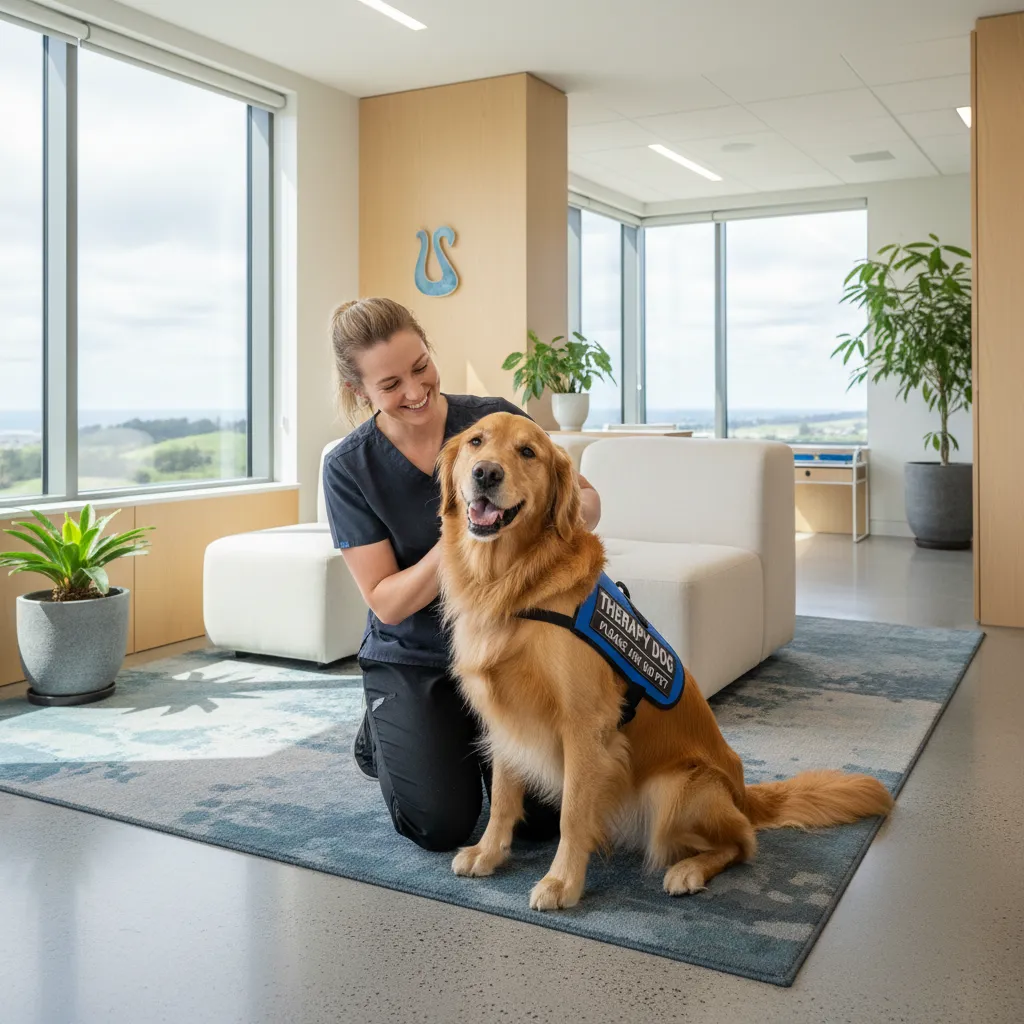
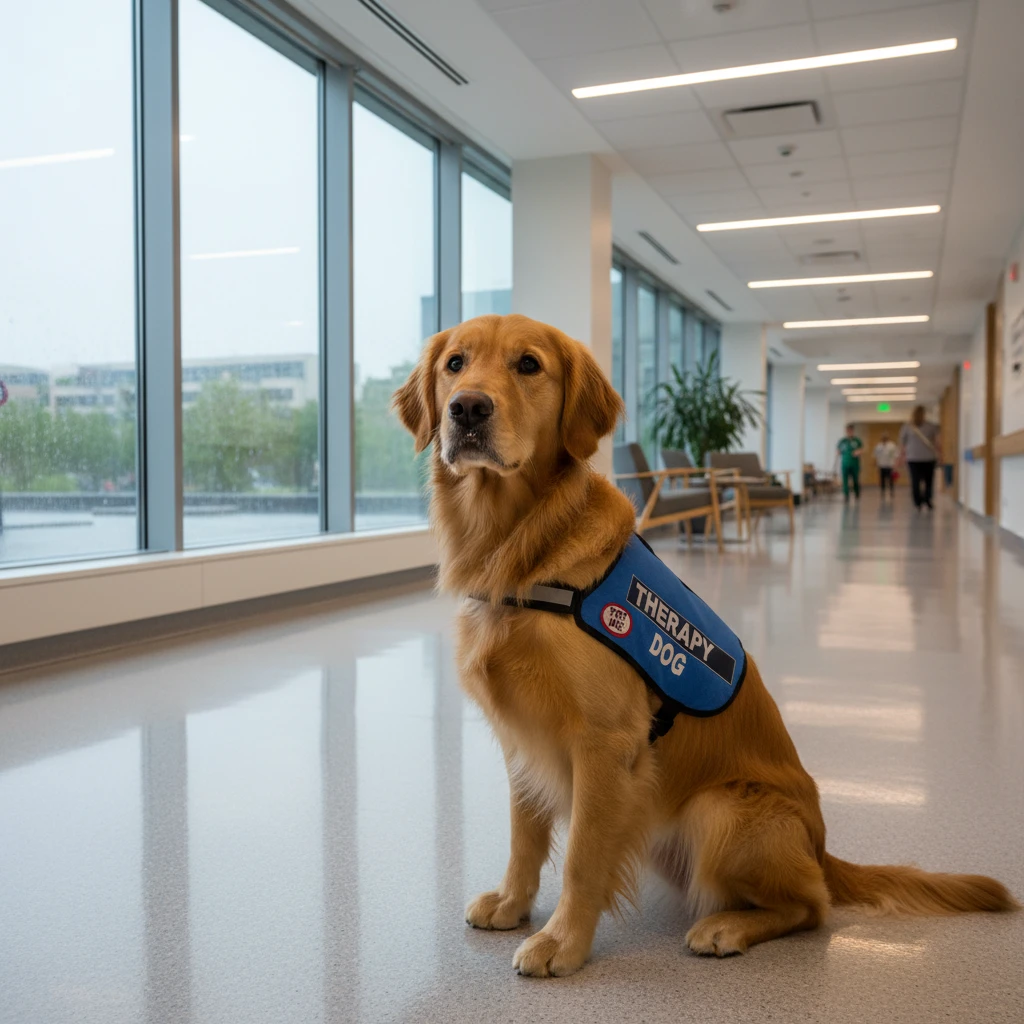
The New Zealand Veterinary Association (NZVA) establishes critical standards for working dogs that encompass the Five Domains of animal welfare: nutrition, environment, health, behavior, and mental state. For therapy dog businesses, adhering to these standards involves rigorous vaccination schedules, regular fitness-for-duty assessments, and proactive management of zoonotic disease risks to ensure public safety.
What Are the Official Veterinary Guidelines for Therapy Animals?
In New Zealand, the distinction between a “working dog” (often associated with pastoral or enforcement roles) and a “therapy dog” is evolving. However, the New Zealand Veterinary Association (NZVA) advocates for a high standard of care that applies to all animals performing a service. For businesses operating in the therapy dog niche, aligning with NZVA working dog standards is not merely a recommendation; it is a best practice for risk management, liability reduction, and animal welfare.
The foundation of these guidelines rests on the Animal Welfare Act 1999 and the specific Codes of Welfare. While there is no single “Therapy Dog Code,” professional handlers must extrapolate from the Working Dog Code of Welfare. The NZVA emphasizes that any dog in a working capacity must be “fit for purpose.” This concept goes beyond basic health; it encompasses the animal’s physical capability to perform tasks without suffering and its mental resilience to handle the environments it enters.

The Five Domains Model in a Therapy Context
The NZVA utilizes the Five Domains model to assess welfare. For a therapy dog business, this translates to specific operational protocols:
- Nutrition: Ensuring the dog is neither under nor overweight, as body condition impacts stamina and joint health during visits.
- Environment: Guaranteeing that transport vehicles and visiting sites (hospitals, schools, corporate offices) are safe, temperature-controlled, and free from hazards.
- Health: Proactive veterinary care that prevents disease transmission to vulnerable clients.
- Behavior: Ensuring the dog is allowed to express natural behaviors when off-duty to prevent burnout.
- Mental State: Monitoring for signs of cortisol spikes or displacement behaviors during therapy sessions.
What Are the Recommended Health Screening and Vaccination Schedules?
Strict adherence to health protocols is the cornerstone of a reputable therapy dog business. Unlike a household pet, a therapy dog interacts with the public, including immunocompromised individuals in healthcare settings. Therefore, the standard of care regarding nz veterinary association working dogs guidelines must be elevated to prevent zoonotic diseases.
Core and Non-Core Vaccinations
The NZVA recommends a robust vaccination strategy. For therapy dogs, “non-core” vaccines often become “core” due to their exposure risks.
- Canine Parvovirus, Distemper, and Hepatitis (DHPP): These are non-negotiable. Adult dogs typically require boosters every three years, though annual checks are required to maintain certification with most therapy organizations.
- Leptospirosis: In New Zealand, Leptospirosis is a significant risk, particularly for working dogs that may be exposed to rat urine or farm environments. Because Leptospirosis is zoonotic (can be passed to humans), therapy dogs must be vaccinated annually. This is a critical liability shield for your business.
- Canine Cough (Kennel Cough): Highly recommended for therapy dogs due to their social nature and frequent entry into facilities where other dogs may be present.

Parasite Control and Zoonoses Management
External and internal parasites pose a direct threat to public health. The NZVA guidelines suggest a zero-tolerance policy for parasites in working animals interacting with the public.
Worming: Therapy dogs should be wormed every three months at a minimum, with some protocols suggesting monthly treatments depending on the product used and the risk of Hydatids or Sheep Measles if the dog has rural access. Treatment for roundworm and hookworm is essential to prevent transmission to children.
Flea and Tick Control: Year-round prevention is mandatory. Bringing a flea-infested dog into a sterile hospital environment can destroy a therapy business’s reputation instantly. Oral treatments are often preferred over topical ones in therapy settings to prevent chemical residue transfer to clients petting the dog.
How to Manage Working Dog Nutrition and Physical Maintenance?
A therapy dog is an athlete of emotion. While they may not be running sheep across a high-country station, the mental energy expenditure of a working therapy dog is substantial. The NZVA recognizes that working dogs have unique nutritional requirements compared to sedentary pets.
Body Condition Scoring (BCS)
Maintaining an ideal Body Condition Score is vital. The NZVA recommends a score of 4 or 5 on a 9-point scale. Therapy dogs are prone to obesity due to the sedentary nature of some visits and the high frequency of treats used for reinforcement.
Overweight dogs suffer from joint pain and fatigue, reducing their ability to work effectively. Conversely, an underweight dog may signal underlying health issues or stress. Regular weighing and tactile assessments (feeling the ribs) should be part of your weekly business logistics.

Nutritional Requirements for Mental Stamina
Working dogs require high-quality, highly digestible protein to support neurotransmitter function and muscle repair. Low-quality fillers can lead to lethargy and digestive upset—neither of which is acceptable during a client visit.
Hydration is also a key component of the NZVA guidelines. Therapy dogs must have access to fresh water before, during, and after visits. Dehydration can lead to irritability and a lack of focus, compromising the safety of the interaction.
Physical Maintenance and Decompression
Physical maintenance involves more than just exercise; it involves “decompression.” The NZVA highlights the importance of rest for working dogs. A therapy dog should not work 40 hours a week. A schedule that allows for “dog time”—sniffing, running, and playing—is essential to prevent burnout.
Grooming Standards: From a veterinary perspective, grooming is a health check. Matting can hide skin infections or parasites. Regular grooming also reduces dander, which is a courtesy to clients with mild allergies. Nails must be kept short to prevent injury to the dog and accidental scratching of clients.
How to Collaborate With Your Local NZ Vet?
For a business in the therapy dog sector, your veterinarian is your most strategic partner. You need a Veterinary-Client-Patient Relationship (VCPR) that goes beyond annual vaccinations. You need a vet who understands the specific demands of nz veterinary association working dogs and how they apply to therapy work.
Establishing a Corporate Relationship
Don’t just walk in as a standard pet owner. Schedule a consultation to discuss your business operations. Explain the environments your dogs visit. This allows the vet to tailor a preventative health plan. For example, if your therapy dogs visit rest homes, the vet might recommend more frequent screening for skin infections (like Ringworm) which are highly contagious.

Emergency Protocols and clearance
Part of your business logistics must include an emergency veterinary protocol. If a dog falls ill during a visit, where do you go? Do you have 24-hour access?
Furthermore, you should request written “Health Clearance” certificates from your vet. These documents, verifying that the animal is free from contagious disease and parasites, should be part of the dossier you present to corporate clients or facility managers. It demonstrates a level of professionalism and compliance with NZVA standards that sets your business apart.
By strictly adhering to these veterinary standards, you not only ensure the welfare of your working dogs but also build a resilient, trustworthy brand in the New Zealand therapy dog market.
People Also Ask
What vaccinations are mandatory for therapy dogs in NZ?
While there is no government mandate specifically for therapy dogs, reputable organizations and the NZVA strongly recommend the core vaccines (Distemper, Hepatitis, Parvovirus) plus Leptospirosis and Kennel Cough due to the public nature of the work.
How often should a working therapy dog visit the vet?
At a minimum, working therapy dogs should have a comprehensive veterinary exam every 6 months. This ensures that any physical pain or underlying conditions are caught early, ensuring the dog remains fit for duty.
Does the NZVA certify therapy dogs?
No, the NZVA does not certify therapy dogs directly. They provide the medical and welfare standards (Best Practice Guidelines) that certifying organizations and businesses should follow to ensure the animal is healthy and safe.
What is the difference between a service dog and a therapy dog in NZ?
A service dog (or assistance dog) is trained to perform specific tasks for a disabled handler and has legal access rights under the Human Rights Act. A therapy dog provides comfort to others and does not have the same automatic public access rights.
Why is Leptospirosis vaccination critical for working dogs in NZ?
Leptospirosis is a serious bacterial disease present in New Zealand that spreads through the urine of infected animals (like rats). It is zoonotic, meaning it can kill humans. Working dogs are at higher risk of exposure and transmission.
How do I report a concern about a working dog’s welfare?
If you suspect a working dog is being mistreated or does not meet welfare standards, you should contact the SPCA or the Ministry for Primary Industries (MPI) in New Zealand.