
Therapy dog registration renewal in NZ typically involves an annual assessment to verify the dog’s temperament remains safe for community visits. Handlers must submit proof of up-to-date vaccinations, a comprehensive veterinary health check, and pay membership fees. Failure to complete these steps results in the suspension of visitation rights and liability insurance coverage.
Becoming a certified therapy dog team is a significant achievement, marking the beginning of a rewarding journey serving the community. However, the initial certification is not a lifetime pass. To ensure the safety of the vulnerable populations you visit—and the wellbeing of your canine partner—maintaining your certification through annual renewals is mandatory. This process is not merely administrative; it is a critical quality control measure that upholds the integrity of therapy dog organizations across New Zealand.
Whether you are registered with St John, Canine Friends Pet Therapy, or another reputable New Zealand organization, the renewal process generally follows a standardized framework designed to assess health, behavior, and administrative compliance. This guide outlines exactly what is required for your therapy dog registration renewal NZ and how to navigate the process smoothly.
Why is Annual Re-testing and Renewal Necessary?
Many handlers ask why they must undergo the renewal process every year, especially if their dog has been performing flawlessly. The answer lies in the dynamic nature of animals and the high stakes involved in therapy work. Therapy dogs operate in sensitive environments such as hospitals, rest homes, schools, and hospices. In these settings, predictability and safety are paramount.
Dogs, like humans, change as they age. A dog that was tolerant and high-energy at two years old may develop arthritis, vision loss, or a lower tolerance for handling by age six. Annual renewals allow organizations to monitor these changes objectively.

Liability and Insurance
One of the primary drivers for strict annual renewal policies is insurance. Legitimate therapy dog organizations in New Zealand carry public liability insurance to protect the handler, the facility, and the clients. This insurance coverage is contingent upon the dog being currently certified. If a certification expires, the insurance coverage usually voids immediately. Without a valid renewal, a handler visiting a facility is doing so at their own personal legal risk.
Upholding National Standards
The therapy dog sector in New Zealand strives to maintain high professional standards. Annual re-testing ensures that all active teams meet the current benchmarks for hygiene and behavior. This consistency gives facilities the confidence to open their doors to volunteer teams, knowing that every dog wearing a badge has been vetted within the last 12 months.
Health Check Requirements for Renewal
The foundation of your therapy dog registration renewal NZ is the veterinary health check. This is more than a standard wellness exam; it is a fitness-for-duty assessment. You cannot renew your registration without a signed form from a registered veterinarian attesting to the dog’s physical health.
Physical Capability and Pain Assessment
Therapy work can be physically demanding. Dogs often walk on slippery hospital floors, navigate stairs, or stand for extended periods while being petted. During the renewal health check, the vet will look for:
- Mobility issues: Signs of dysplasia, arthritis, or joint pain that could make visiting uncomfortable for the dog. A dog in pain may react aggressively if touched in a sore spot.
- Sensory decline: Significant loss of hearing or sight can startle a dog in a busy environment, potentially leading to fear-based reactions.
- Skin condition: The skin must be healthy, free of open sores, hot spots, or contagious fungal infections like ringworm.

Zoonotic Disease Prevention
Because therapy dogs visit immunocompromised individuals, they must not carry diseases that can be transmitted to humans (zoonotic diseases). The vet check ensures the dog is free from visible signs of illness that could pose a risk to vulnerable patients.
Updating Vaccination and Parasite Control Records
Alongside the physical exam, your renewal application must include proof of current vaccinations. New Zealand therapy dog organizations generally follow the guidelines set by the New Zealand Veterinary Association (NZVA) regarding core vaccines.
Required Vaccinations
You will typically need to provide a vaccination book or a printout from your vet clinic showing current status for:
- Canine Distemper, Hepatitis, and Parvovirus (DHP): These are core vaccines. Depending on the vaccine brand and your vet’s protocol, these may be administered every three years, but proof of valid coverage is required annually.
- Canine Cough (Kennel Cough): While sometimes optional for general pet dogs, this is frequently mandatory for therapy dogs because they enter facilities where respiratory hygiene is critical. This usually requires an annual booster.
- Leptospirosis: In many parts of New Zealand, Lepto is a high risk. Organizations often require this annual vaccination to protect the dog, as therapy dogs may be exposed to varied environments.
Parasite Control Protocols
Vaccines are not the only requirement. You must attest to a rigorous parasite control regime. This includes:
- Flea and Tick Treatment: Regular treatment is non-negotiable. Bringing fleas into a sterile hospital ward or a carpeted rest home is a fast way to get a therapy program cancelled.
- Worming: Regular de-worming (specifically for roundworms and tapeworms) is essential to prevent zoonotic transmission.

The Behavioral Re-Assessment
While the health check covers the physical body, the behavioral re-assessment covers the mind. Temperament can shift due to trauma, aging, or lack of practice. Consequently, most organizations require a re-evaluation of the dog’s behavior, often called a “temperament test” or “observation check.”
What the Assessor Looks For
This assessment is usually shorter than the initial intake test but focuses on ensuring the dog still enjoys the work. The assessor will observe:
- Stress Signals: Is the dog lip-licking, yawning excessively, or turning away? If the dog no longer enjoys visiting, it is unethical to force them to continue.
- Recovery from Startle: If a tray is dropped or a loud noise occurs, does the dog recover quickly, or do they remain fearful?
- Handler Control: Has the handler maintained good protocols? Are they advocating for their dog, or have they become complacent with leash handling?
- Crowd Tolerance: Does the dog still accept multiple people touching them simultaneously without grumbling or snapping?
In New Zealand, this might be done via a “shadow visit,” where a senior evaluator accompanies you on a regular visit to observe the team in a real-world scenario.
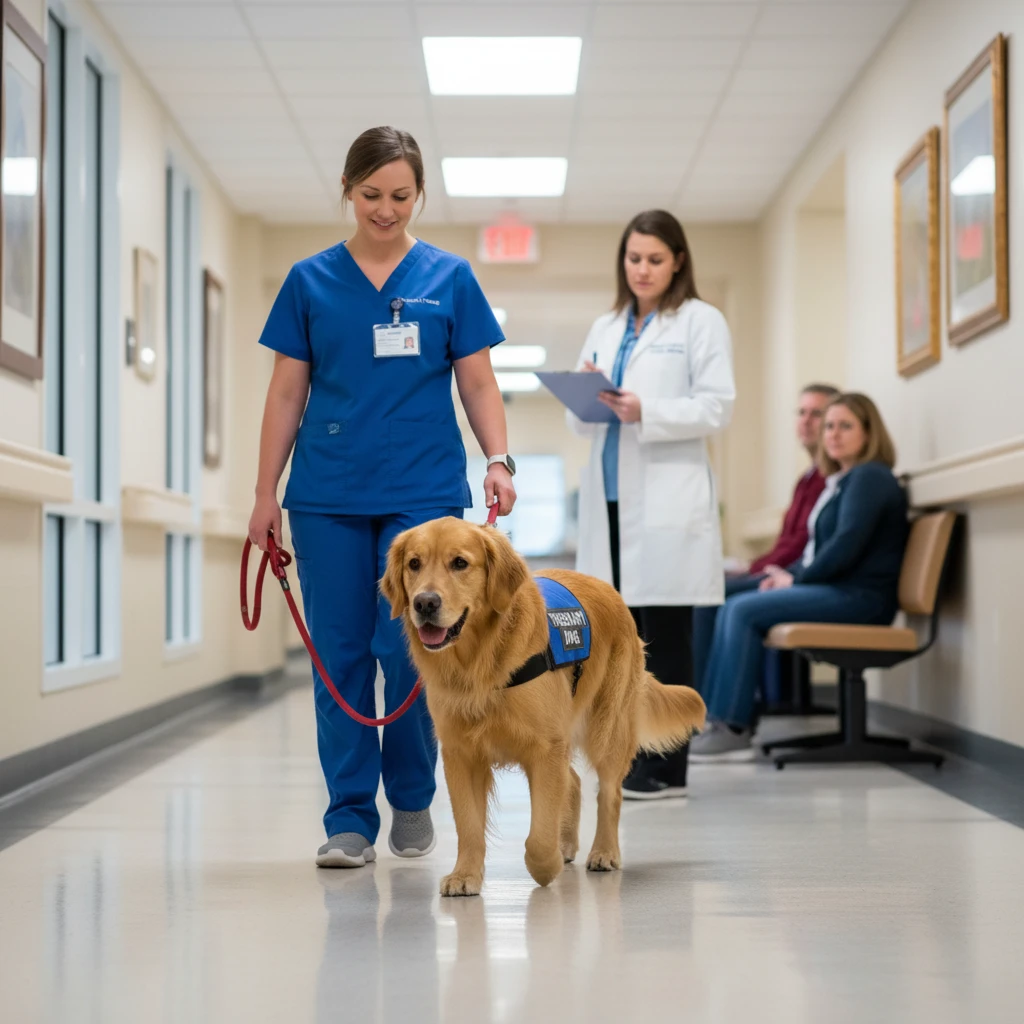
What Happens If Your Registration Lapses?
Life gets busy, and sometimes administrative tasks slip through the cracks. However, letting your therapy dog registration renewal nz lapse has immediate and often difficult consequences.
Immediate Suspension of Activities
The moment your registration date passes without renewal, you are no longer an active therapy dog team. You must cease all visits immediately. Continuing to visit with an expired badge is a violation of policy and leaves you personally liable for any incidents. Facilities that check credentials will deny you entry.
The Re-application Process
If a significant amount of time passes (usually 3 to 6 months, depending on the organization), you cannot simply “renew.” You may be required to restart the entire application process from scratch. This includes:
- Paying the full new member fee (which is higher than the renewal fee).
- Undergoing the full, comprehensive initial temperament test.
- Re-submitting all character references and police vetting checks.
To avoid this, it is recommended to start the renewal process at least one month before your current registration expires. This provides ample time to book vet appointments and process paperwork.
Frequently Asked Questions
How much does therapy dog renewal cost in NZ?
Renewal fees vary by organization (e.g., St John, Canine Friends, or independent groups) but generally range between $30 and $80 NZD annually. This fee covers administration costs, the new ID badge, and liability insurance contributions.
Can I use my regular vet for the renewal health check?
Yes, you can use your regular registered veterinarian. They must sign the specific health form provided by your therapy dog organization. Ensure you bring the blank form to your appointment.
What if my dog is sick during the renewal period?
If your dog is temporarily ill or recovering from surgery during your renewal month, you should contact your organization immediately. They can often place your registration on “hold” or “leave of absence” rather than letting it lapse, allowing you to renew once the dog is medically cleared.
Do retired therapy dogs need to be renewed?
No. If you decide to retire your dog from service, you do not need to renew. However, you should formally notify the organization of the retirement so they can update their records and stop sending renewal reminders. You must also return or destroy the ID badge.
Is the renewal test as hard as the initial test?
Generally, the renewal assessment is less intense than the initial test. It focuses on ensuring the dog’s temperament hasn’t deteriorated and that the handler is still following protocols. However, the standard for safety remains exactly the same.
How do I submit my renewal documents?
Most modern NZ therapy organizations now use online portals or email for renewals. You will typically scan or photograph your vet form and vaccination book and upload them. Some organizations still accept paper forms via post, but digital submission is faster.