
Therapy dog insurance in New Zealand primarily refers to Public Liability Insurance (PLI) designed to cover handlers against legal costs and compensation claims should their dog cause property damage or injury during a visit. While volunteer organizations like St John and Canine Friends often provide group liability cover for their registered members, independent professionals (such as counsellors or occupational therapists) must secure specific commercial liability policies to ensure full protection during private practice.
Why Liability Insurance is Critical for Handlers
In the realm of Animal-Assisted Intervention (AAI), the temperament of the animal is often impeccable. However, even the most docile and well-trained therapy dogs are sentient beings capable of unpredictable behavior. For handlers in New Zealand, understanding the necessity of therapy dog insurance nz goes beyond simple risk aversion; it is a fundamental component of professional responsibility.
Many handlers operate under the misconception that the Accident Compensation Corporation (ACC) covers all injuries in New Zealand, thereby negating the need for liability insurance. While ACC does provide comprehensive no-fault cover for personal injuries, it does not cover property damage, emotional distress that does not result in physical injury, or civil litigation costs arising from negligence claims. Furthermore, under the Dog Control Act 1996, the owner is strictly liable for damage done by their dog.

The Financial Risks of Uninsured Practice
Without adequate Public Liability Insurance, a handler is personally exposed to significant financial risks. Consider the following scenarios that ACC would likely not cover:
- Property Damage: Your therapy dog wags its tail and knocks over an expensive piece of medical equipment or a resident’s sentimental antique vase. You are liable for the replacement cost.
- Third-Party Liability: A patient trips over the dog’s leash, sustaining an injury. While ACC covers their medical treatment, the facility could sue you for negligence regarding safety protocols, or the individual could sue for exemplary damages.
- Legal Defense Costs: Even if a claim against you is baseless, the cost of hiring a lawyer to defend your reputation and practice can run into the tens of thousands of dollars.
Coverage Provided by Volunteer Organizations
For the majority of therapy dog handlers in New Zealand, their work is voluntary. The two primary organizations facilitating this—St John Therapy Pets and Canine Friends Pet Therapy—maintain robust insurance policies to protect their volunteers. However, it is vital to understand the boundaries of this coverage.
St John Therapy Pets Insurance Structure
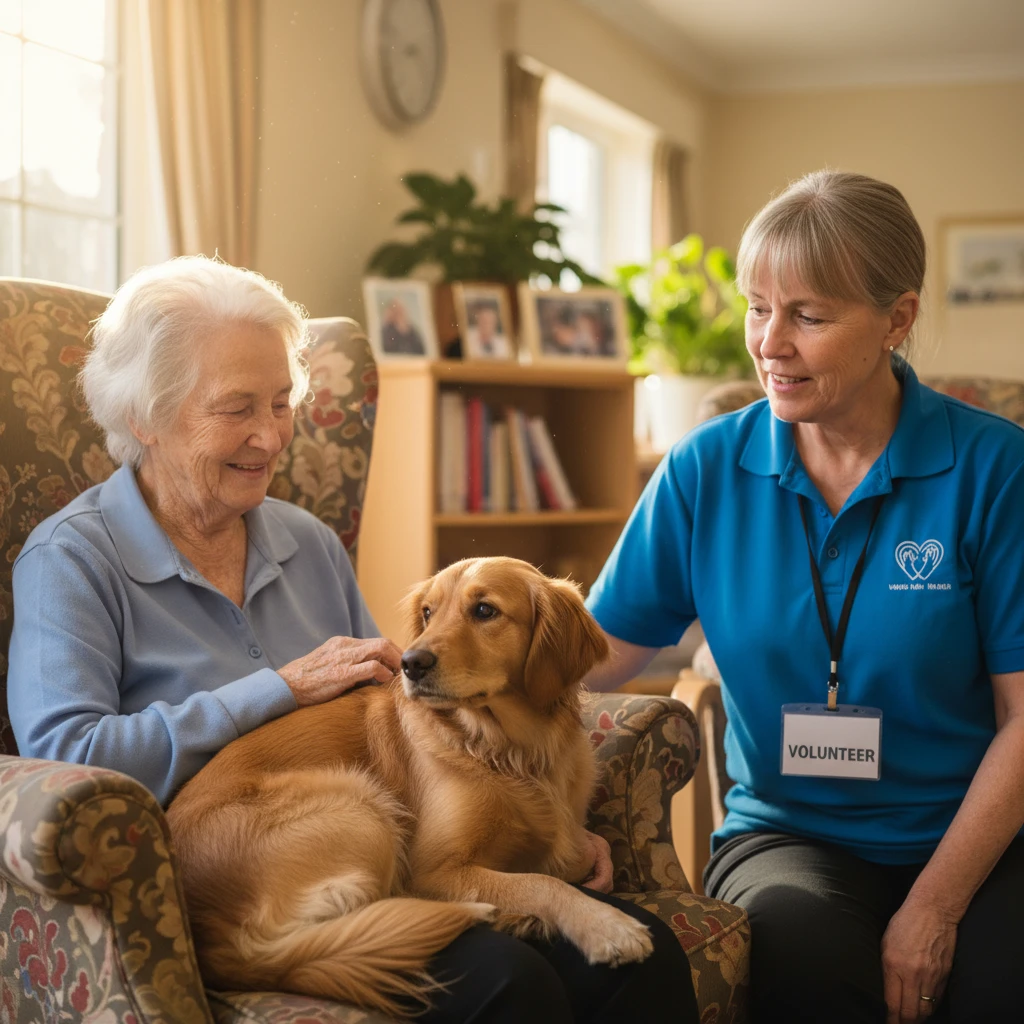
St John provides a comprehensive support network for its volunteers. When you are a registered St John Therapy Pet volunteer, and you are conducting a visit that has been sanctioned and scheduled by St John, you are generally covered under their organizational Public Liability Insurance.
This coverage is contingent on adherence to their protocols. If a volunteer decides to visit a facility “off the books” or outside of the agreed-upon schedule, the organizational insurance may be void. St John’s policy is designed to protect the organization and its authorized representatives acting within the scope of their duties.
Canine Friends Pet Therapy Coverage
Similarly, Canine Friends Pet Therapy offers liability protection for its members. This is a significant benefit of membership, as the cost of individual PLI can be prohibitive for a volunteer. Their coverage typically protects the handler if the dog causes damage or injury during an approved visit to a hospital, rest home, or school.
Crucial Caveat: The insurance provided by these organizations is not portable. It does not follow you if you decide to take your dog to a private counselling practice, a corporate wellness event, or a school visit arranged independently of the organization. If you accept payment for a visit, you are no longer a volunteer, and the organization’s policy will almost certainly not cover you.
Insurance Options for Independent Practitioners
The landscape changes significantly for professionals who integrate therapy dogs into their business model. This includes psychologists, occupational therapists, social workers, and private dog handlers who charge for visits. In this context, you are operating a commercial enterprise, and “therapy dog insurance nz” becomes a business expense.
Public Liability vs. Professional Indemnity
Independent practitioners usually require a combination of insurance types:
- Public Liability Insurance (PLI): This is the most critical. It covers physical damage or injury caused by your business activities (including your dog) to third parties. For example, if a client visits your home office and is bitten or knocked over.
- Professional Indemnity (PI): This covers you for bad advice or professional misconduct. While less focused on the dog, if you recommend a specific interaction with the dog that leads to psychological trauma, PI is the relevant cover.
Securing Commercial Coverage in NZ
Standard pet insurance (like Southern Cross or Petcover) covers the health of your dog. It rarely covers business-related liability. To secure therapy dog insurance for business use, you must approach commercial insurers.
Steps to obtain coverage:
- Contact Business Brokers: Companies like BizCover, Aon, or Crombie Lockwood deal with niche business liabilities.
- Declare the Animal: You must explicitly state that a dog is present on the premises and used for therapeutic purposes. Failure to disclose this is a “material fact” omission and can void your policy.
- Provide Certification: Insurers will view you as a lower risk if your dog has passed a Canine Good Citizen (CGC) test or a specific therapy dog assessment. Having these certificates ready can sometimes lower premiums or be a prerequisite for cover.

Understanding Policy Exclusions and Limitations
When reviewing a policy document for therapy dog insurance in NZ, the fine print is where the most dangerous pitfalls lie. Liability policies are not blanket checks; they have specific exclusions that handlers must navigate.
Common Exclusions
- Known Aggression: If your dog has a history of aggression or has been designated as “menacing” or “dangerous” by the local council under the Dog Control Act, no insurance company will cover liability for that animal.
- Communicable Diseases: Some policies exclude liability for diseases passed from animal to human (zoonosis). This highlights the importance of strict veterinary hygiene protocols.
- Working Without Protocols: If an incident occurs because you ignored standard safety protocols (e.g., leaving the dog unsupervised with a vulnerable client), the insurer may deny the claim based on negligence.
What to Do If an Incident Occurs
Risk management is as much about reaction as it is about prevention. If an incident occurs involving your therapy dog—whether a nip, a scratch, or property damage—the steps you take immediately can determine the outcome of an insurance claim.
Immediate Response Plan
- Secure the Dog: Immediately remove the dog from the situation and place them in a crate or secure vehicle.
- Attend to the Victim: Offer first aid if qualified, or call for medical assistance. Do not admit liability (e.g., avoid saying “It’s my fault” or “He’s never done that before”). Simply address the immediate health need.
- Document Everything: Take photos of the injury or damage. Take photos of the environment (was there a loud noise? was the space crowded?).
- Gather Witness Details: Collect names and contact numbers of anyone who saw the event.
- Notify Your Insurer: Contact St John, Canine Friends, or your private insurance broker immediately. Delaying notification can prejudice your claim.

Frequently Asked Questions
Does standard pet insurance cover therapy work in NZ?
Generally, no. Standard pet insurance covers veterinary bills for the dog’s illness or injury. While some premium policies include limited third-party liability, they often exclude “commercial use” or “business activities.” You need a specific Public Liability policy for therapy work.
How much does public liability insurance for therapy dogs cost?
For independent practitioners, adding a dog to a business liability policy might increase premiums by $200-$500 NZD annually, depending on the insurer and the risk level. For volunteers with St John or Canine Friends, the cost is covered by the organization.
Do I need insurance if I am just visiting a school once?
Yes. Even a one-off visit carries risk. If you are not visiting under the umbrella of a registered organization, you are personally liable. Schools may ask to see your Certificate of Currency (proof of insurance) before allowing you on site.
Does ACC cover dog bites in New Zealand?
ACC covers the medical treatment for the victim of a dog bite (personal injury). However, ACC does not protect the handler from being sued for exemplary damages, nor does it cover property damage or the costs of a council prosecution under the Dog Control Act.
Can I get insurance if my dog is not a certified therapy dog?
It is difficult. Most commercial insurers will require proof that the dog is suitable for the work. This usually means passing a Canine Good Citizen (CGC) test or a specific therapy assessment. Without this, you are viewed as a high-risk client.
What is the difference between Service Dog and Therapy Dog insurance?
Service dogs (Disability Assist Dogs) have specific legal rights under the Human Rights Act 1993 and are often covered under different household or specific policies. Therapy dogs do not have public access rights and are considered “working tools” in a business context, requiring Commercial General Liability insurance.