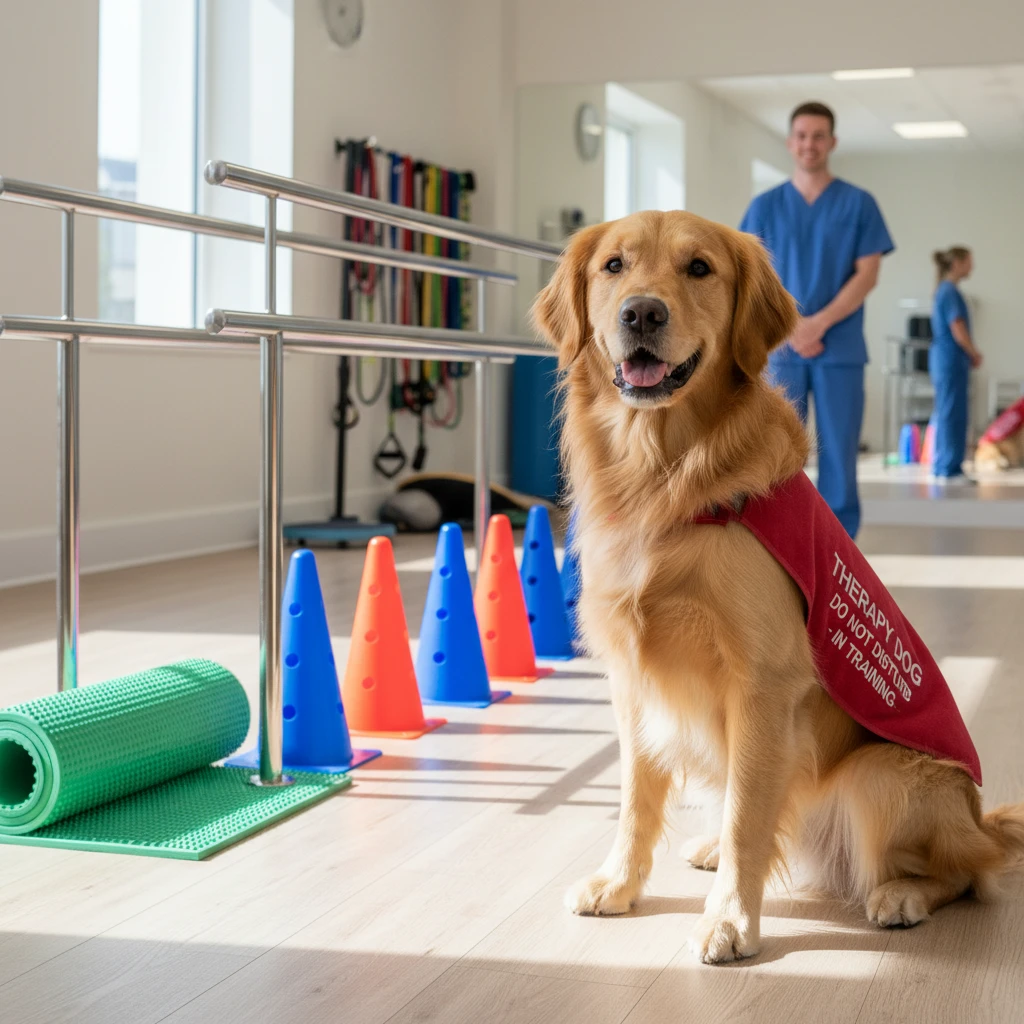
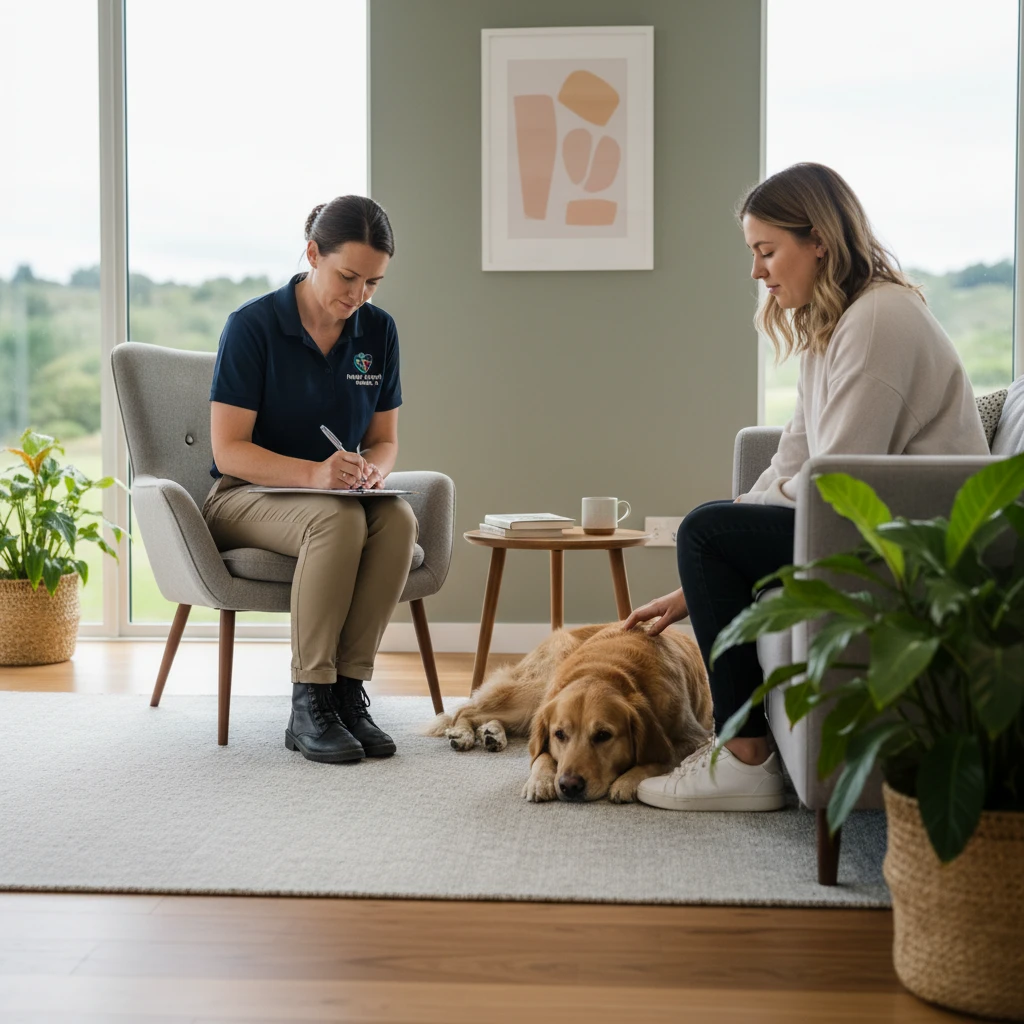
AAT certification for occupational therapists in NZ requires a blend of clinical expertise and specialized animal handling training. While no single university degree exists solely for AAT, OTs typically combine their practicing certificate with post-graduate certifications from recognized international bodies or local organizations like Therapy Dogs New Zealand, focusing on animal behaviour, zoonosis, and goal-directed therapeutic interventions.
Understanding AAT Scope of Practice in NZ
For Occupational Therapists in New Zealand, integrating animals into clinical practice is not merely about having a pet present during a session; it is a sophisticated, goal-directed intervention that falls under the umbrella of Animal-Assisted Therapy (AAT). Unlike Animal-Assisted Activities (AAA), which are casual meet-and-greet sessions, AAT is documented, structured, and led by a health professional.
The Occupational Therapy Board of New Zealand (OTBNZ) requires that any modality used in practice must be evidence-based and within the practitioner’s competence. Therefore, securing aat certification for occupational therapists nz is critical not just for skill acquisition, but for liability, insurance, and ethical compliance. The therapy dog is viewed as a “clinical tool” or a “co-therapist,” and the OT must possess the skills to manage the client’s clinical needs simultaneously with the animal’s welfare and behavioural cues.
Clinical Justification for AAT
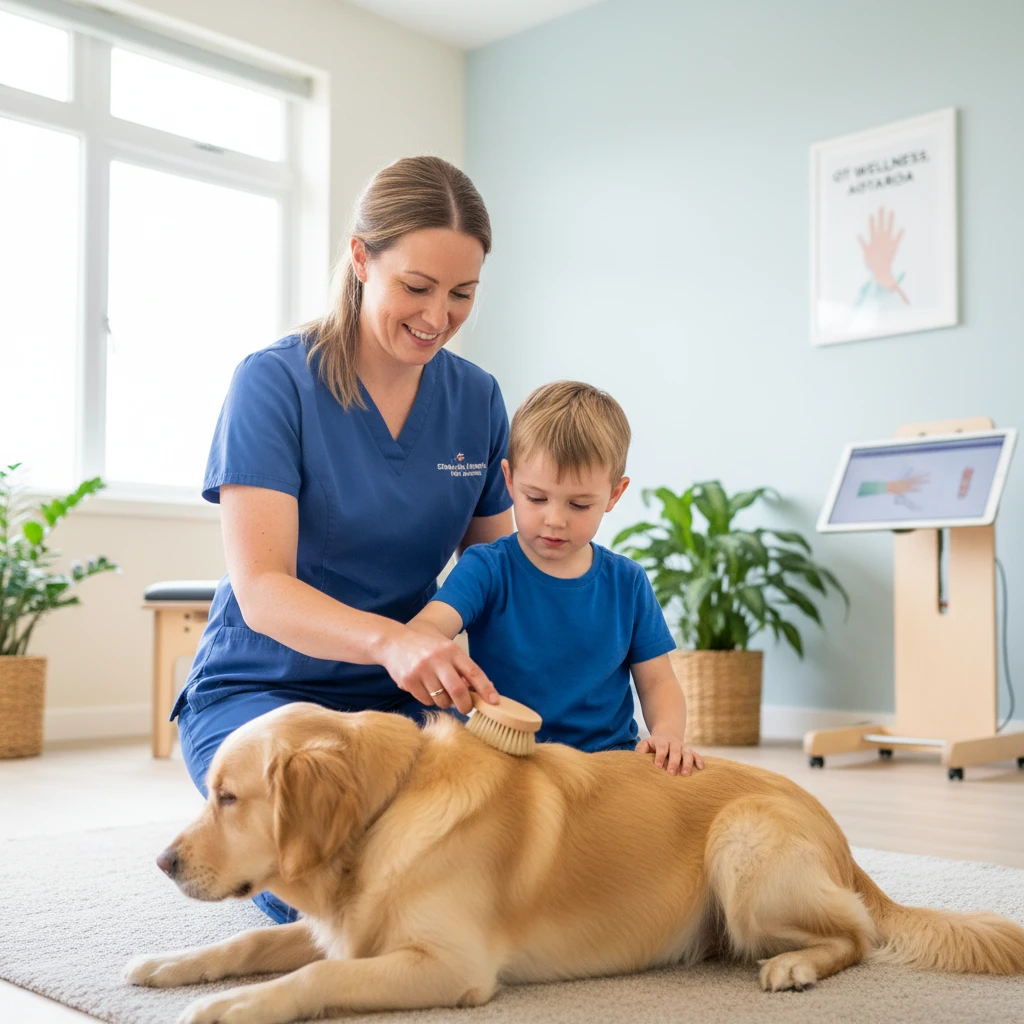
Before pursuing certification, OTs must understand the clinical justification accepted by NZ funding bodies (such as ACC or Ministry of Health contracts). AAT is utilized to enhance:
- Sensory Integration: providing deep pressure therapy or tactile stimulation.
- Motor Skills: grooming, walking, or playing fetch to improve range of motion.
- Psychosocial Health: reducing anxiety during traumatic rehabilitation phases.
- Executive Functioning: sequencing tasks related to animal care.
Post-Graduate Pathways for Animal-Assisted Therapy
Currently, New Zealand universities do not offer a dedicated Master’s degree solely in Animal-Assisted Therapy. However, the pathway to specialization involves a “stackable” approach to continuing education. OTs often pursue post-graduate papers in rehabilitation, psychology, or disability studies at institutions like the Auckland University of Technology (AUT) or the University of Otago, while running parallel specialized AAT training.
Academic Research and Electives
Practitioners can tailor their post-graduate research toward AAT. For instance, a Master of Health Practice can include a thesis or dissertation evaluating the efficacy of canine-assisted interventions in paediatric OT settings. This academic rigour provides the theoretical framework necessary to defend the practice to stakeholders and employers.
International Certifications Recognized in NZ
Due to the niche nature of the field in New Zealand, many OTs turn to established international bodies for formal certification. These programs are generally delivered online with practical video submissions or local mentorship components. When searching for aat certification for occupational therapists nz, it is vital to select programs that are accredited and recognized by global bodies such as Animal Assisted Intervention International (AAII).

The Animal Behaviour Institute (ABI)
The ABI offers a Certificate in Animal-Assisted Therapy that is highly regarded. It covers the human-animal bond, animal selection, and training techniques. For NZ OTs, this remote learning option allows for professional development without leaving the country. The curriculum is rigorous, requiring case studies that can be conducted within your current NZ workplace (subject to employer approval).
Animal Assisted Intervention International (AAII)
AAII sets the gold standard for practice. Certifications aligned with AAII standards ensure that the OT has been trained in:
- Zoonosis Protocols: Preventing disease transfer between client and animal.
- Canine Body Language: Recognizing stress signals in the therapy dog to prevent incidents.
- Intervention Design: Creating specific clinical plans that integrate the dog.
Workshops and Seminars in Auckland and Wellington
While online theory is essential, handling a dog in a clinical setting requires hands-on practice. Several organizations run intermittent workshops and seminars in major hubs like Auckland and Wellington. These are often short courses designed to bridge the gap between theory and practice.
Therapy Dogs New Zealand
Therapy Dogs New Zealand is a pivotal organization for local practitioners. They offer assessment and accreditation for the dog-handler team. For an OT, passing the clinical assessment with their dog is a mandatory step for many employers. Their workshops often cover:
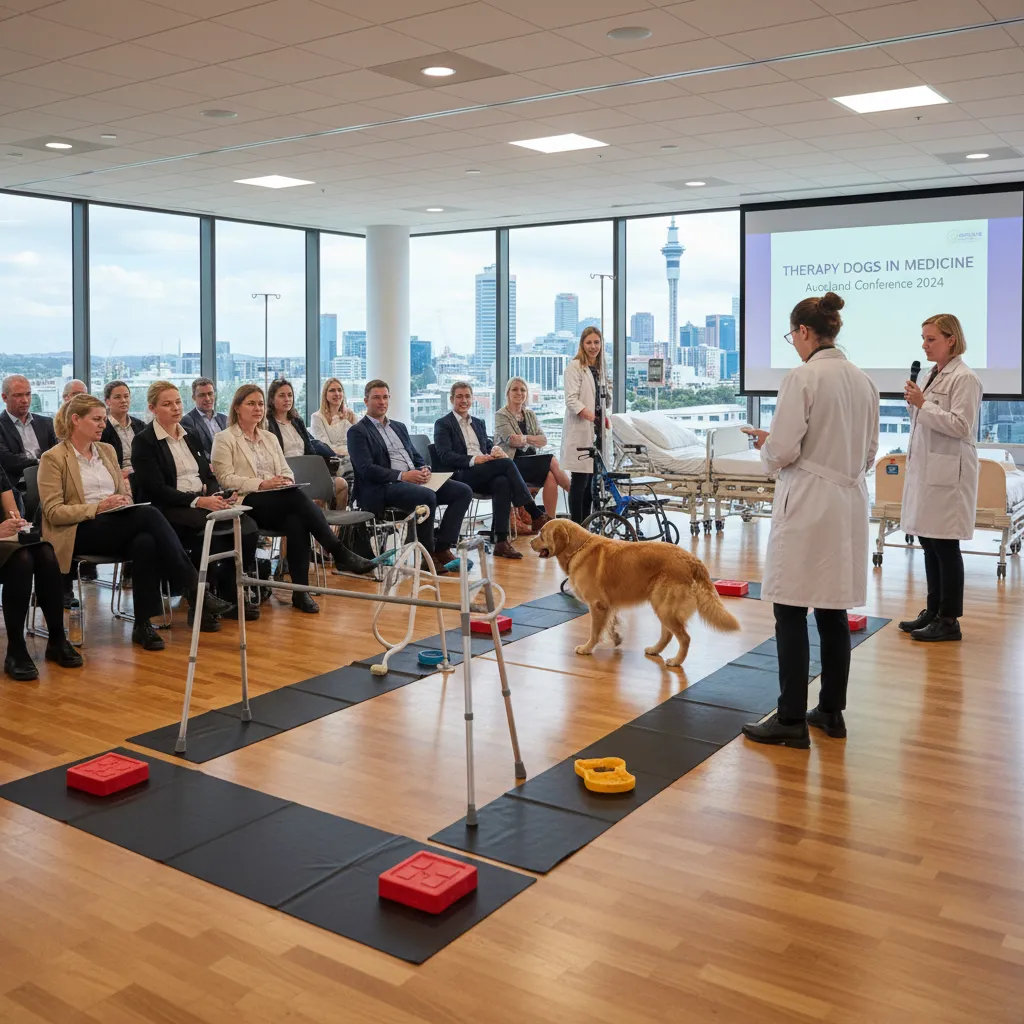
- Desensitization to medical equipment (wheelchairs, crutches, hospital noises).
- Obedience requirements for indoor clinical environments.
- Public access rights vs. therapy dog access permissions.
Canine Behaviour Seminars
OTs should look for seminars hosted by certified animal behaviourists in Wellington and Auckland. Understanding the ethology of the animal is as important as understanding the pathology of the client. These seminars often focus on positive reinforcement training, which is the ethical standard for therapy dogs.
Business & Logistics: Compliance and Safety
Integrating AAT into an OT practice involves significant logistical planning. This is the “Business & Logistics” aspect that often trips up independent practitioners. To legitimately offer AAT, you must navigate New Zealand’s regulatory environment.
Health and Safety at Work Act 2015
Under NZ law, a therapy dog in a workplace is a potential hazard that must be managed. You are required to have a comprehensive Risk Management Plan. This document must outline:
- Incident Protocols: What happens if a client is scratched or bitten?
- Allergy Management: How do you handle other clients or staff with dander allergies?
- Waste Management: Protocols for toileting the animal and sanitation.
Insurance Implications
Standard professional indemnity insurance for OTs may not automatically cover animal-related incidents. You must declare your intent to practice AAT to your insurer. Often, this requires proof of certification (hence the importance of the keywords discussed above) and a specific clause added to your policy. Failure to disclose this can render your liability cover void.
Animal Welfare Act 1999
As a health professional, you also have a duty of care to the animal. The Animal Welfare Act 1999 dictates that the animal’s physical and behavioural needs must be met. In a therapy context, this means ensuring the dog is not overworked (burnout is common in therapy dogs) and has access to a “safe zone” where they can retreat from clients.
Building a Professional Portfolio in AAT
To be recognized as a specialist in this niche, OTs must build a professional portfolio. This portfolio serves as proof of competence for the OT Board, potential employers, and clients.
Documentation of Clinical Hours
Start logging your animal-assisted interventions immediately. Your log should include:
- Date and Duration: Length of the session.
- Clinical Goal: e.g., “Improve upper limb extension via ball throwing.”
- Outcome: Was the goal met? How did the dog facilitate this?
- Animal Welfare Check: Notes on the dog’s stress levels and engagement.

Supervision and Mentorship
The OTBNZ requires supervision for all practitioners. If you are pioneering AAT in your workplace, you may need to seek external supervision from an OT who is already experienced in this modality. This mentorship is invaluable for navigating complex clinical reasoning where the dynamic involves a triad: Therapist, Client, and Animal.
Continuous Professional Development (CPD)
AAT is an evolving field. Your portfolio should demonstrate ongoing learning. Subscribe to journals such as the Journal of Veterinary Behavior or People and Animals: The International Journal of Research and Practice. Attending annual conferences, even virtually, contributes to your CPD points and keeps your practice evidence-based.
Frequently Asked Questions
Is there a specific AAT degree for OTs in New Zealand?
No, there is currently no specific Master’s degree for AAT in New Zealand. OTs typically combine their occupational therapy degree with post-graduate certificates from private training organizations or international online institutions, alongside practical dog handling assessments.
Do I need my own dog to practice AAT?
Generally, yes. Most AAT models rely on the handler-dog dyad, meaning the OT owns, trains, and handles the dog. This ensures a deep bond and reliable communication. However, some facilities may have resident therapy dogs handled by specific staff, though this is less common for clinical OT interventions.
How long does it take to certify a therapy dog in NZ?
The process can take anywhere from 1 to 2 years. This includes the dog’s basic obedience training, maturation (dogs usually need to be at least 12-18 months old), and specific therapy dog training and assessment. The human handler also needs to complete their theoretical training during this time.
Can I use a rescue dog for Animal-Assisted Therapy?
Yes, rescue dogs can make excellent therapy dogs, provided they pass the rigorous temperament and health assessments. The origin of the dog matters less than their current temperament, resilience, recoverability from stress, and lack of aggression or fear.
What is the difference between a Service Dog and a Therapy Dog in NZ?
A Service Dog (or Assistance Dog) is trained to perform specific tasks for one person with a disability and has legal public access rights under the Human Rights Act. A Therapy Dog is trained to provide comfort or clinical support to many people and does not have automatic public access rights to shops or restaurants.
Does ACC cover Animal-Assisted Therapy?
ACC funds the achievement of rehabilitation goals. If an OT can clinically justify that AAT is the most effective modality to achieve a specific rehabilitation outcome (e.g., balance, memory, motor skills) and it is safe, it may be included in the treatment plan. However, it is usually billed under standard OT codes rather than a specific “AAT” code.