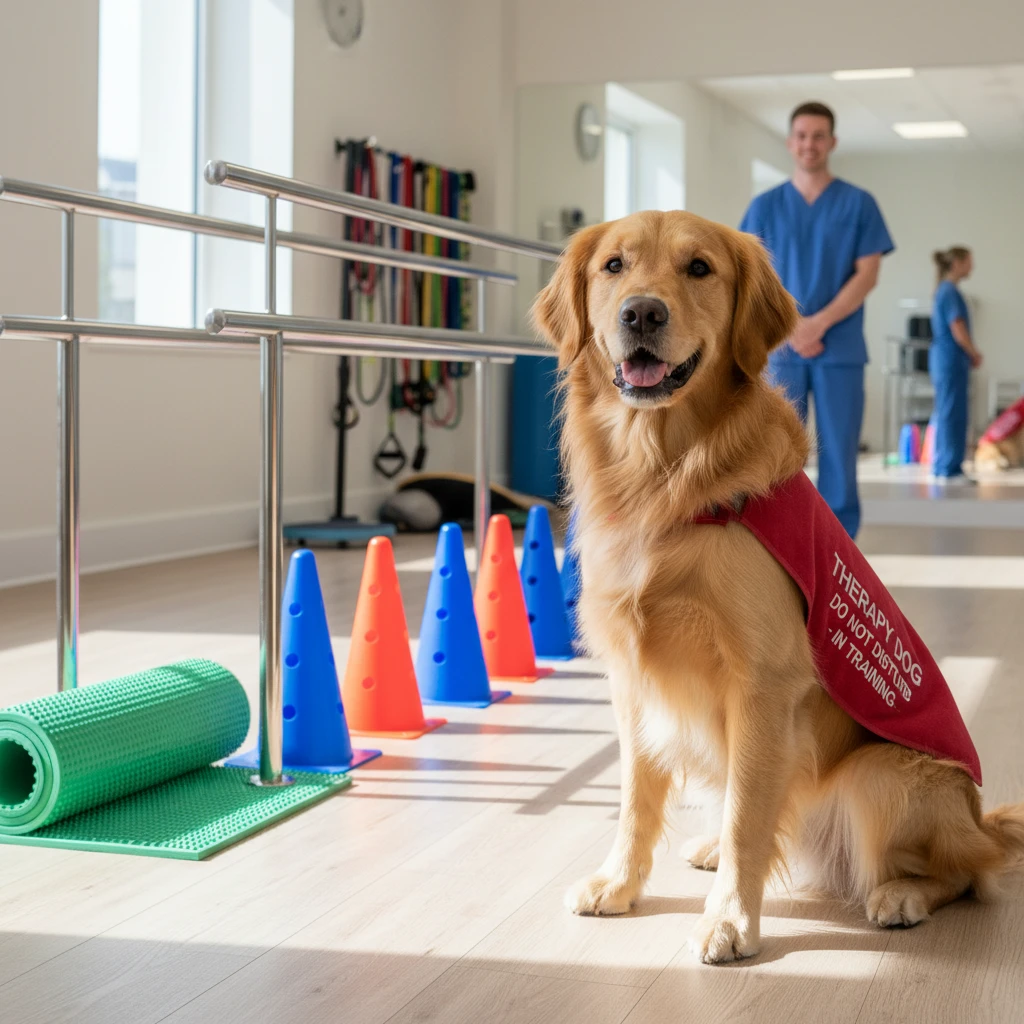
Clinical protocols for AAT in NZ are standardized frameworks governing the safe and ethical integration of animals into therapeutic practice. These protocols mandate adherence to the Animal Welfare Act 1999, infection control standards, risk assessments under the Health and Safety at Work Act 2015, and the incorporation of culturally responsive models like Te Whare Tapa Whā.
As Animal-Assisted Therapy (AAT) transitions from a novelty to a recognized clinical modality within New Zealand’s healthcare landscape, the demand for rigorous standardization has never been higher. For Occupational Therapists (OTs), psychologists, and allied health professionals operating in Aotearoa, relying on intuition is no longer sufficient. Clinical protocols provide the necessary scaffolding to ensure that interventions are not only effective but also legally defensible and ethically sound.
This comprehensive guide details the operational, ethical, and clinical frameworks required to implement AAT professionally in New Zealand.
Evidence-Based Practice Frameworks for NZ OTs
In the New Zealand context, clinical protocols for AAT must align with established therapeutic models to be considered credible. For Occupational Therapists and mental health professionals, this means integrating the therapy animal not as a passive tool, but as a dynamic co-therapist within existing frameworks.

Integrating Te Whare Tapa Whā
A unique and non-negotiable aspect of clinical protocols in New Zealand is cultural responsiveness. The Te Whare Tapa Whā model (Durie, 1984) provides a holistic framework for health, and AAT aligns remarkably well with its four pillars:
- Taha Wairua (Spiritual Health): The connection between human and animal often transcends verbal communication, offering spiritual grounding and a sense of purpose. Protocols should document how the animal facilitates connection to the moment or environment.
- Taha Hinengaro (Mental Health): Animals act as social lubricants and anxiety reducers. Clinical goals here focus on emotional regulation, with the animal providing biofeedback (e.g., rhythmic breathing matching the dog).
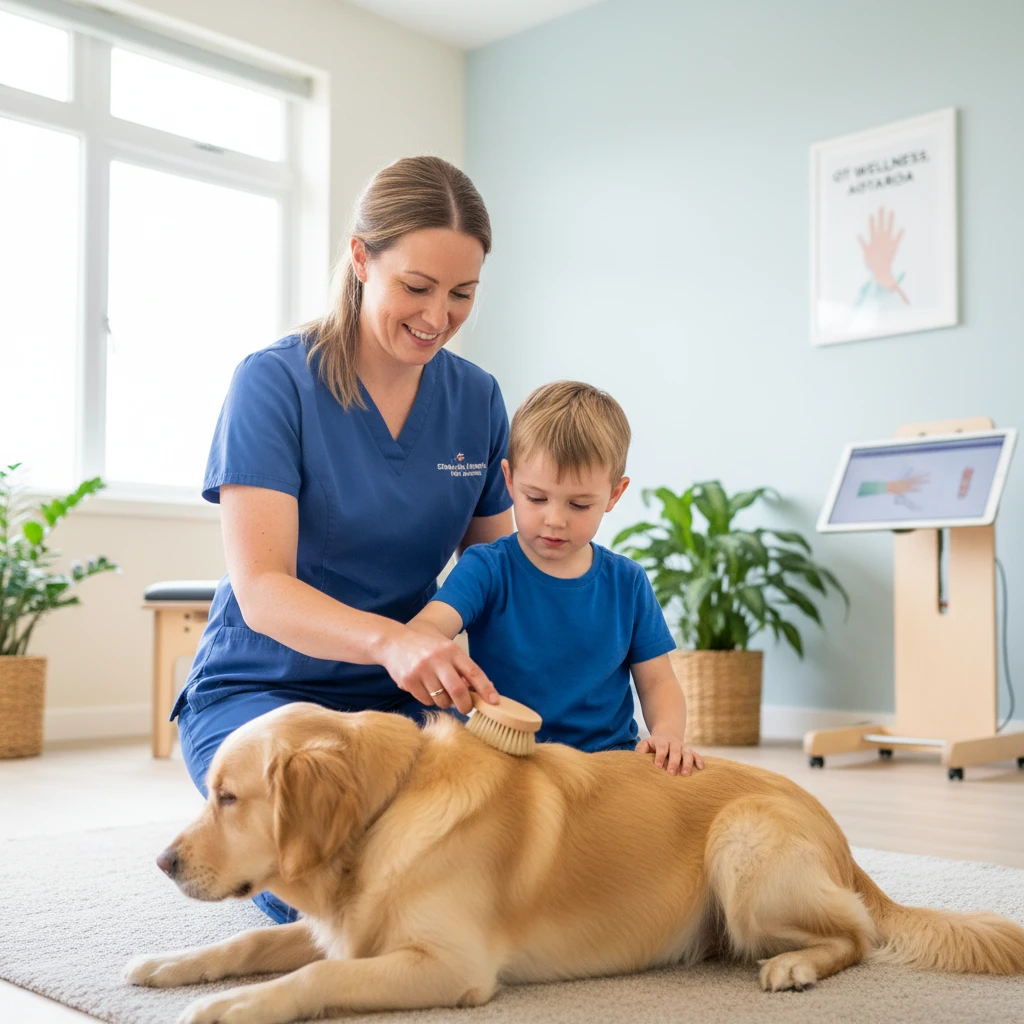
- Taha Tinana (Physical Health): This is often the primary domain for OTs. Protocols might involve grooming for fine motor skills, walking for gross motor skills, or tactile engagement for sensory processing disorders.
- Taha Whānau (Family Health): The presence of a therapy animal can normalize the clinical environment, making it more welcoming for whānau support, which is critical in Māori health outcomes.
The Model of Human Occupation (MOHO)
When developing clinical protocols for AAT in NZ, the Model of Human Occupation (MOHO) serves as a robust guide. Under MOHO, the therapy dog influences the client’s volition (motivation to engage), habituation (structuring routines), and performance capacity. A rigorous protocol requires the clinician to map the animal’s specific role to these domains. For instance, a protocol for a stroke rehabilitation patient might stipulate that the dog is used specifically to increase volitional movement in the affected upper limb through ‘fetch’ activities, rather than just being present for comfort.
Standardizing Animal-Assisted Interventions
Standardization is the antidote to liability. In New Zealand, the distinction between Animal-Assisted Activities (AAA)—which are casual meet-and-greets—and Animal-Assisted Therapy (AAT) is strictly defined by the presence of specific clinical goals and documentation. To professionalize your practice, you must adopt a tiered protocol approach.
Pre-Intervention Assessment Protocols
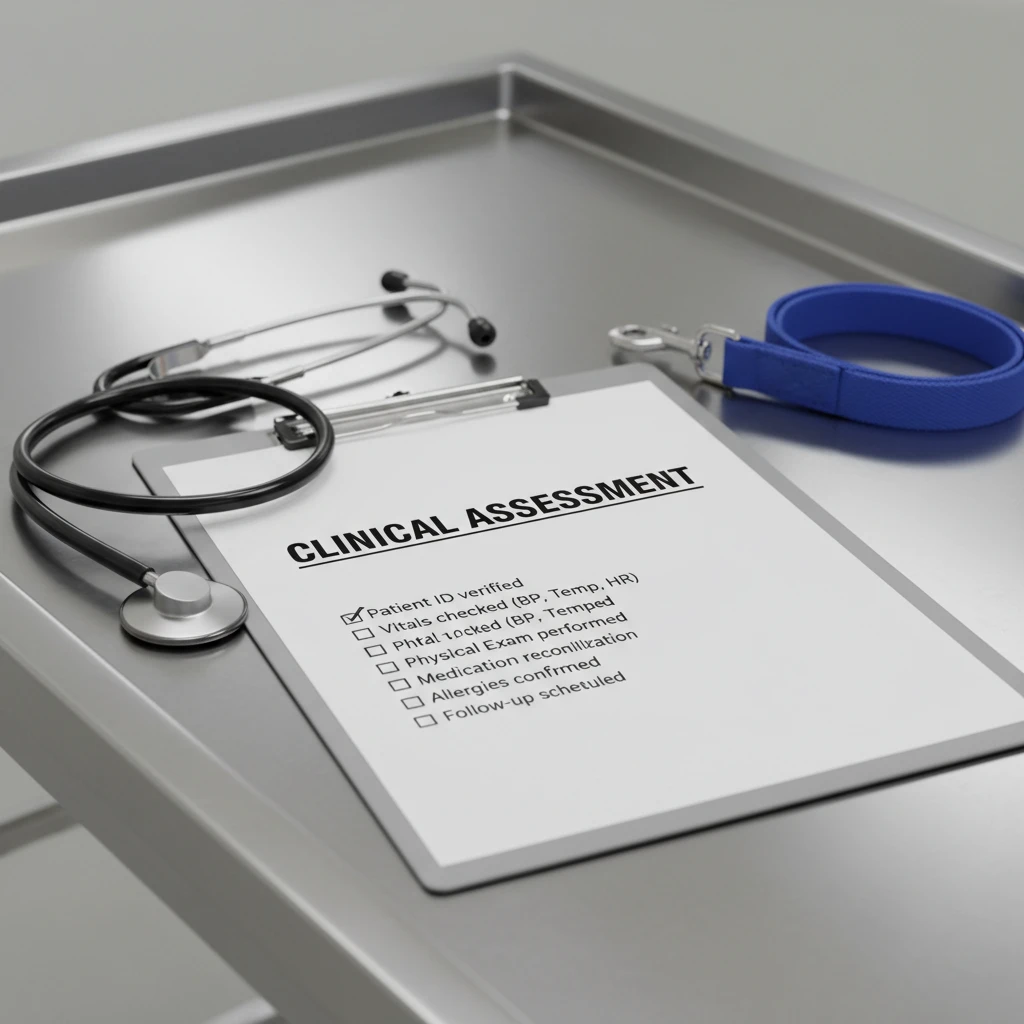
Before an animal enters a clinical session, a dual-stream assessment must occur:
- Client Assessment: Does the client have allergies, phobias, or a history of animal abuse? Is the client immunocompromised? In NZ, strict adherence to infection control is required for immunocompromised patients. A signed consent form specifically detailing the risks of animal interaction (scratches, zoonosis) is mandatory.
- Animal Suitability Assessment: Not every dog is a therapy dog. Protocols must require that the animal has passed a recognized temperament test (such as the Canine Good Citizen test via Dogs NZ, followed by specific therapy dog accreditation). The animal must be assessed for that specific day—checking for signs of illness, fatigue, or stress before the session begins.
Session Structure Protocols
A standardized AAT session in NZ should follow a “Goal-Action-Reflection” cycle:
- Goal: Define the specific therapeutic objective (e.g., “Client will maintain eye contact for 30 seconds while grooming the dog”).
- Action: The specific interaction is facilitated. The handler (clinician) must manage the environment to ensure safety.
- Reflection: Debriefing with the client. How did the animal’s presence affect their anxiety or performance? This must be documented in the clinical notes immediately.
Health, Safety, and Legal Compliance
Operating a therapy dog business or clinical practice in New Zealand falls under the Health and Safety at Work Act 2015 (HSWA). This legislation places the onus on the PCBU (Person Conducting a Business or Undertaking) to eliminate or minimize risks so far as is reasonably practicable.
Infection Control and Zoonosis Prevention
Infection control is a cornerstone of clinical protocols for AAT in NZ. Animals can be vectors for zoonotic diseases (diseases transferable from animals to humans). Protocols must include:
- Veterinary Clearance: Annual comprehensive vet checks, plus 6-monthly wellness checks. Vaccinations (Distemper, Hepatitis, Parvovirus, Kennel Cough) must be current.
- Parasite Control: Documented administration of flea and worm treatments. In clinical settings, the standard is often higher than for pet dogs to prevent any risk to vulnerable patients.
- Hygiene Protocols:
- Hand hygiene (sanitizer or wash) required for the client before and after interaction.
- The animal must be groomed within 24 hours of the visit to reduce dander and allergens.
- “Accident” protocols: A specific kit (enzymatic cleaner, gloves, disposal bags) must be on hand to deal with any elimination immediately, followed by sanitization of the area.
Risk Management and Hazard Identification
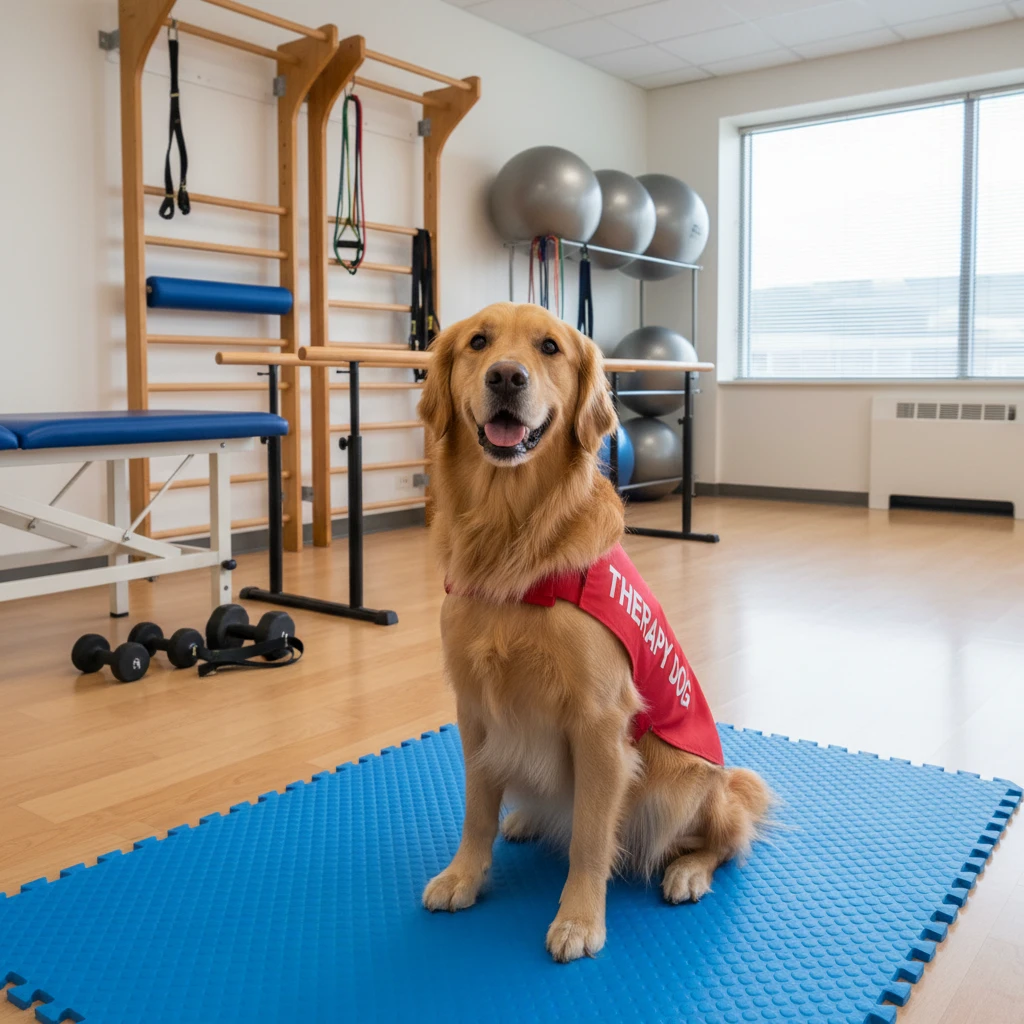
Under HSWA 2015, you must maintain a Hazard Register specific to the therapy animal. Common hazards include tripping over the leash, accidental scratches, or the dog reacting to sudden loud noises. Mitigation strategies might include using a short, fixed leash, keeping the dog on a non-slip mat, and using “Do Not Disturb” signage during sessions to prevent startling interruptions.
Ethical Considerations in Clinical Settings
Ethical practice in AAT extends beyond the client to the animal itself. New Zealand’s Animal Welfare Act 1999 recognizes animals as sentient beings. Therefore, using an animal as a mere “tool” without regard for its wellbeing is legally and ethically unacceptable.
Animal Welfare: The Five Domains
Modern clinical protocols have moved from the “Five Freedoms” to the “Five Domains” model of animal welfare. Your protocols must demonstrate how you ensure:
- Nutrition: Access to fresh water during sessions.
- Environment: Temperature control (crucial in NZ summers) and a safe “retreat space” where the dog can go if overwhelmed.
- Health: Immediate cessation of work if the animal shows signs of illness or lameness.
- Behavior: Allowing the animal to express natural behaviors where appropriate, rather than demanding robotic obedience.
- Mental State: Monitoring for signs of burnout. Clinical protocols should strictly limit working hours (e.g., maximum 2 hours per day with breaks) to prevent cortisol spikes in the animal.
Informed Consent and Cultural Safety
Informed consent is paramount. Clients must be informed that an animal will be present. In a multicultural NZ society, some cultures view dogs as unclean or dangerous. Forcing interaction violates cultural safety protocols. If a client declines AAT based on cultural or religious beliefs, the clinician must have an alternative intervention ready immediately without judgment.
Documentation and Clinical Reasoning
If it isn’t written down, it didn’t happen. In the event of an audit by the Accident Compensation Corporation (ACC) or a complaint to the Health and Disability Commissioner (HDC), your documentation is your primary defense.
Structuring Clinical Notes
Clinical notes for AAT sessions should distinguish between the therapist’s actions and the animal’s contribution. Use the SOAP format (Subjective, Objective, Assessment, Plan) with specific AAT inclusions:
- Objective: “Client brushed the dog for 10 minutes using the left hemiplegic arm.” (Not just “Client played with dog”).
- Assessment: “The presence of the dog reduced client’s reported pain score from 7/10 to 4/10, facilitating greater range of motion exercises.”
Insurance and Liability
Standard professional indemnity insurance often excludes animal acts. Practitioners must secure specific public liability insurance that covers the therapy dog. The policy number and expiry date should be recorded in the practice’s operational manual.

Peer-Reviewed Research and Future Directions
The legitimacy of clinical protocols for AAT in NZ relies on ongoing research. While the body of literature is growing globally, local context matters. Recent studies in New Zealand have focused on the efficacy of AAT in university wellness programs and aged care facilities.
Research consistently highlights that the “active ingredient” in AAT is the relationship. However, without strict protocols, the variability in implementation makes it difficult to measure outcomes scientifically. Future directions for AAT in NZ involve the establishment of a national registry of accredited clinical teams to ensure consistency across District Health Boards (DHBs) and private practices.
By adhering to these rigorous clinical protocols, New Zealand practitioners can elevate AAT from a “nice to have” activity to a powerful, evidence-based clinical intervention that respects the safety of the public and the welfare of the animal.
People Also Ask
What qualifications do you need for animal-assisted therapy in NZ?
To practice AAT clinically in NZ, you typically need a primary healthcare qualification (e.g., Occupational Therapy, Psychology, Nursing) and a secondary certification in Animal-Assisted Interventions. Additionally, the therapy animal must pass a temperament assessment and often requires registration with a body like Therapy Dogs New Zealand.
Can I take my therapy dog into hospitals in NZ?
Access to hospitals is not automatic. You must have prior approval from the hospital’s volunteer coordinator or clinical manager. Most NZ hospitals require the dog to be part of a recognized visiting program (like St John Therapy Pets) or part of a formal clinical protocol managed by an employed health professional.
What is the difference between a service dog and a therapy dog in NZ?
A service dog (or assistance dog) is trained to perform specific tasks for one person with a disability and has legal access rights to public places under the Human Rights Act. A therapy dog is trained to provide comfort and affection to many people in clinical or community settings and does not have automatic public access rights.
How do I write a policy for therapy dogs in the workplace?
A workplace policy should cover eligibility (temperament testing), vaccination/health requirements, hygiene standards, designated “dog-free” zones for allergic staff, liability insurance, and a clear incident reporting process. It must align with the Health and Safety at Work Act 2015.
Are there specific infection control guidelines for AAT?
Yes. Guidelines typically include mandatory hand hygiene before and after contact, exclusion of animals with open wounds or illness, regular parasite control, and restrictions on animals entering high-risk areas like sterile zones or food preparation areas.
How does Te Whare Tapa Whā relate to animal therapy?
Te Whare Tapa Whā frames health through four pillars. Animal therapy supports Taha Wairua (spiritual connection), Taha Hinengaro (mental relief/joy), Taha Tinana (physical interaction/movement), and Taha Whānau (social connection), making it a culturally compatible intervention when applied respectfully.