
Animal Assisted Intervention (AAI) research in New Zealand demonstrates that structured interactions with therapy animals significantly reduce loneliness, agitation, and depressive symptoms in aged care residents. Successful programs in Wellington and Christchurch highlight that consistent, professionally managed animal therapy improves social engagement and lowers reliance on psychotropic medications within dementia units.
As the New Zealand population ages, the integration of therapeutic practices into residential care becomes increasingly critical. Animal Assisted Intervention (AAI) has moved beyond simple companionship to become a clinically recognized modality for improving quality of life. This article explores the specific success stories, quantitative data, and operational realities of implementing therapy dog programs in New Zealand’s aged care sector.
Analysis of Successful Programs in Wellington and Christchurch
New Zealand has seen a surge in the adoption of animal-assisted therapies, particularly in major urban centers where resources and volunteer networks are robust. By examining specific operational models in Wellington and Christchurch, we can identify benchmarks for success in the industry.
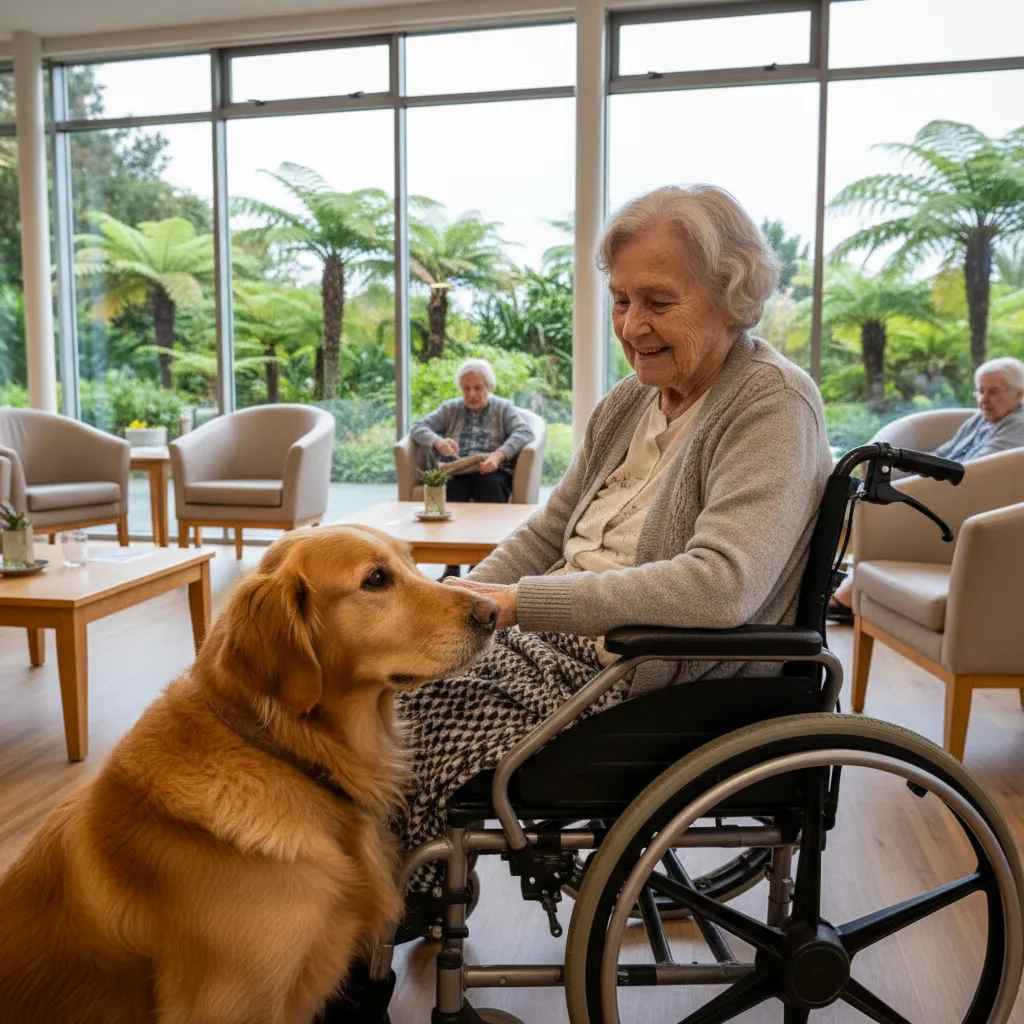
The Wellington Model: Volunteer-Integrated Care
In the Wellington region, several aged care facilities have partnered with established organizations such as Canine Friends Pet Therapy to create a sustainable, high-frequency visitation model. Unlike sporadic visits, these programs are integrated into the weekly care plans of residents.
The success of the Wellington model relies heavily on community integration. Facilities here have reported that by formalizing the schedule of volunteer visits, they can create anticipation among residents, which is a key cognitive stimulator. Research indicates that the anticipation of a positive event releases dopamine, aiding in mood regulation before the dog even arrives.
Key characteristics of the Wellington approach include:
- Structured Rostering: Visits are not ad-hoc; they occur at the same time weekly to build routine.
- Pre-Visit Screening: Dogs are rigorously assessed for temperament suitable for high-stimulus environments like hospital wings.
- Staff Involvement: Diversional therapists accompany the handler to facilitate conversation and physical interaction.
Christchurch Innovation: Professional Therapy Dog Integration
Christchurch has pioneered a slightly different approach in some private facilities, moving towards employing professional animal handlers or training staff dogs as resident therapy animals. This shift addresses the limitations of volunteer availability and allows for more targeted interventions.
In post-earthquake Christchurch, resilience and mental health support became paramount. Aged care facilities adopted AAI to combat Post-Traumatic Stress symptoms in residents. The “Christchurch Model” often involves a resident dog that lives on-site or a staff member bringing a certified dog daily. This allows for spontaneous intervention—using the dog to de-escalate a resident experiencing a dementia-related behavioral episode immediately, rather than waiting for a scheduled volunteer visit.
Quantitative Data on Resident Well-being
When discussing animal assisted intervention research NZ, anecdotal evidence is heartwarming, but quantitative data drives funding and policy changes. Recent studies and internal facility audits have begun to paint a clear picture of the physiological and psychological benefits.

Reduction in Agitation and Medication Use
One of the most significant metrics tracked in New Zealand dementia units is the rate of agitation and the subsequent administration of “pro re nata” (PRN) psychotropic medications. Data collected from pilot programs suggests a correlation between regular AAI and a reduction in pharmacological interventions.
- Agitation Scores: Using the Cohen-Mansfield Agitation Inventory (CMAI), facilities report a measurable decrease in verbal and physical agitation during and immediately following animal interactions.
- Heart Rate and Blood Pressure: Physiological monitoring has shown that 15 minutes of tactile contact with a therapy animal can lower systolic blood pressure by an average of 5-10 mmHg in hypertensive residents.
- Social Interaction Metrics: Residents who rarely speak to staff or peers have been documented initiating conversation with dog handlers, increasing their total weekly word count and social engagement duration.
Impact on Cognitive Decline
While AAI cannot reverse dementia, research suggests it can slow the progression of social withdrawal. The presence of an animal provides a shared focus for attention, which is often difficult to achieve in group settings for those with cognitive impairment. In New Zealand trials, residents participating in dog therapy retained the ability to recall the dog’s name or the day of the visit longer than other routine facility events.
Lessons Learned from Facility Managers
Implementing a successful AAI program requires navigating a complex landscape of logistics, health and safety, and liability. Interviews with facility managers across New Zealand reveal critical lessons for those looking to replicate these successes.
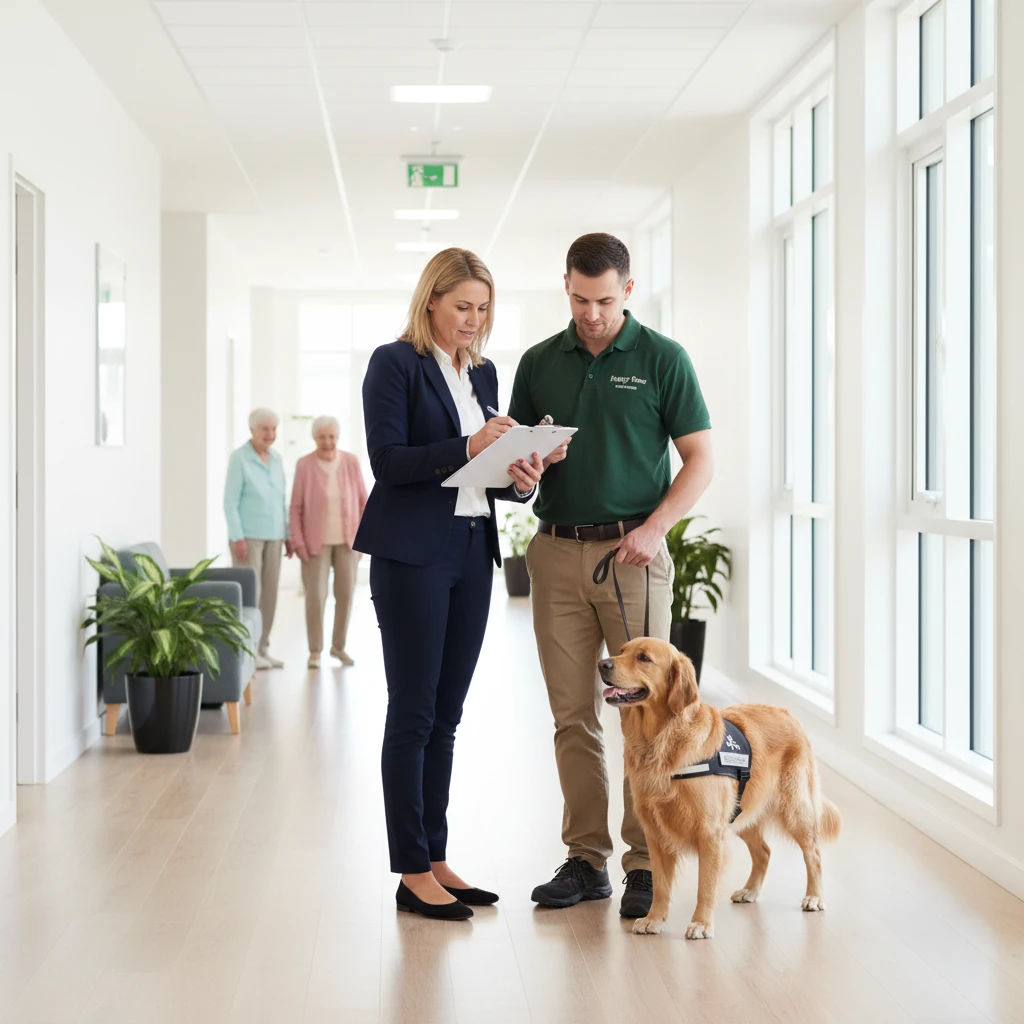
Risk Management and Infection Control
The primary concern for any clinical manager is infection control. Successful facilities have established strict protocols:
- Zoonotic Disease Prevention: All animals must have up-to-date vaccinations, regular worming/flea treatments, and a veterinary clearance certificate.
- Hygiene Stations: Hand sanitizing is mandatory for residents before and after touching the animal. This is enforced by the handler and supervising staff.
- Exclusion Zones: Clearly defining areas where animals are strictly prohibited (e.g., food preparation areas, sterile treatment rooms) is essential for compliance with Ministry of Health standards.
Managing Resident Phobias and Allergies
Not every resident loves dogs. A critical lesson learned is the importance of consent and spatial planning. Managers emphasize the need to survey residents and families prior to implementation. Successful programs utilize a “opt-in” system where residents who wish to interact with the animal have a specific identifier on their door or care plan, while those with allergies or phobias are guaranteed an animal-free environment.
Logistics and Business Implementation
For therapy dog businesses and logistics providers in New Zealand, the aged care sector represents a significant market. However, entry requires high standards of professionalism.
Insurance and Liability
Liability is a major hurdle. Facilities require external providers to hold substantial public liability insurance. For a business entering this niche, carrying insurance that specifically covers animal-inflicted injury or property damage within a medical facility is non-negotiable. Contracts must clearly delineate where liability lies—usually with the handler for the animal’s actions, and the facility for the environment.
Scheduling and Consistency
Reliability is the currency of the aged care sector. Managers report that the biggest failure point for volunteer programs is inconsistency. Paid services that guarantee a visit regardless of volunteer availability are increasingly preferred. Business models that offer a “subscription” to therapy visits—ensuring a replacement handler/dog team is available if the primary is sick—are seeing higher retention rates in facility contracts.
Future Trends in NZ Aged Care AAT
As technology evolves and the understanding of gerontology deepens, the landscape of Animal Assisted Intervention in New Zealand is shifting. Two major trends are emerging: the formalization of qualifications and the introduction of robotic alternatives.
Standardization of Qualifications
Currently, the term “therapy dog” is not legally protected in New Zealand in the same way “disability assist dog” is. However, the industry is moving toward self-regulation. We anticipate a future where facilities will mandate that visiting teams hold a specific Level 4 or 5 New Zealand Certificate in Animal Assisted Intervention. This formalization will elevate the status of the profession and justify budget allocation for paid services over volunteer arrangements.
Robotic Companion Animals (Paro and Beyond)
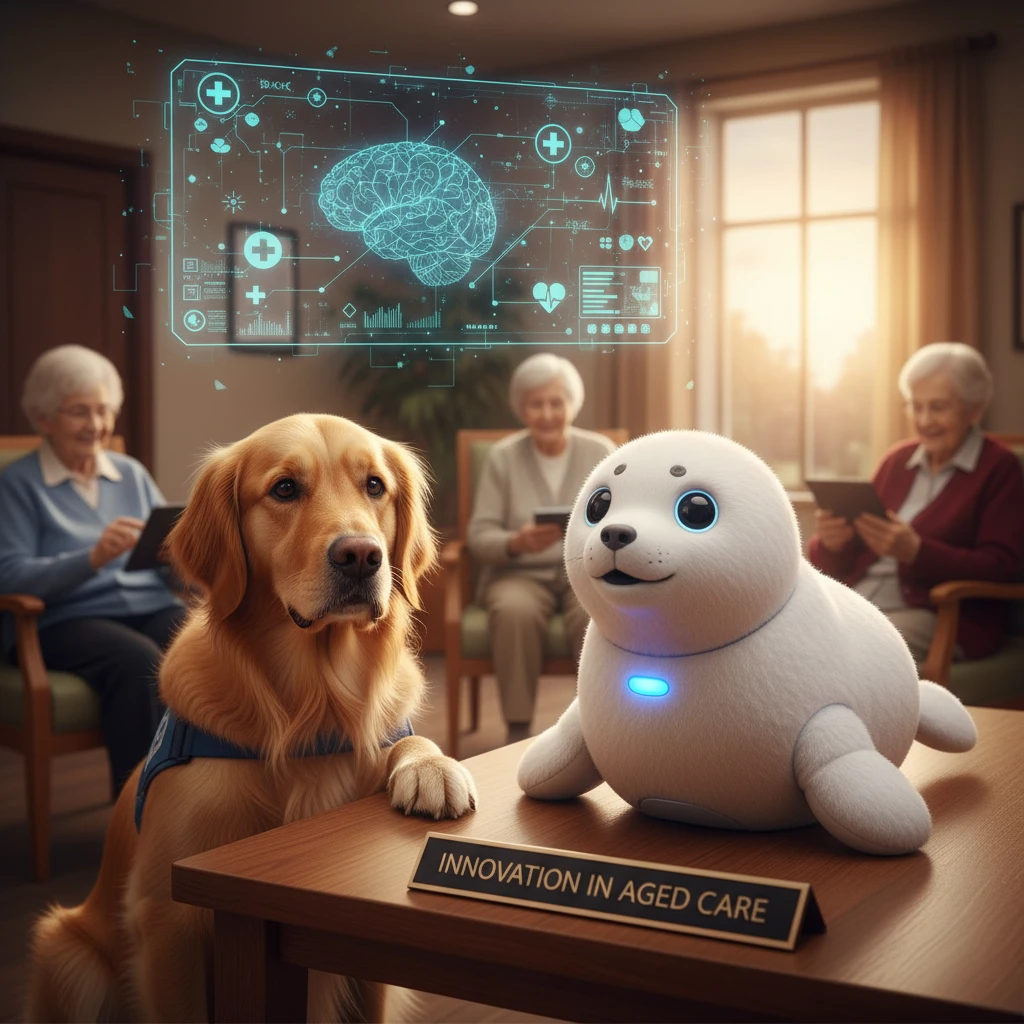
In high-dependency dementia units where live animals may pose a safety risk or where infection control is too strict, robotic pets like ‘Paro’ the seal are gaining traction. Research indicates that while they lack the biological feedback of a live animal, they still trigger nurturing behaviors and reduce agitation. The future of NZ aged care will likely see a hybrid model: robotic pets for daily, on-demand comfort, and live animal visits for high-impact social stimulation.
Expansion into Palliative Care
Another growing trend is the specific application of AAI in palliative care hospices. The focus here shifts from stimulation to comfort and grounding. ‘End of life’ therapy dogs are trained to be exceptionally still and quiet, providing a non-judgmental, comforting presence for patients and grieving families. This specialized niche requires the highest level of temperament testing and handler training.
Frequently Asked Questions
What qualifications are needed for therapy dogs in NZ?
While there is no single government-mandated qualification, reputable organizations like St John, Canine Friends Pet Therapy, and private providers require dogs to pass the Canine Good Citizen test (or equivalent) and specific temperament assessments. Handlers often require police vetting and training in health and safety protocols relevant to aged care environments.
How does animal therapy benefit dementia patients?
Animal therapy benefits dementia patients by reducing agitation, triggering memories, and encouraging social interaction. The non-verbal nature of the bond removes the pressure of conversation, allowing residents to connect emotionally without the frustration of cognitive deficits.
Are there risks associated with animals in aged care?
Yes, risks include tripping hazards, bites, scratches, allergies, and zoonotic diseases. However, these are managed through strict protocols, including temperament testing, veterinary checks, hygiene practices, and constant supervision by trained handlers.
Can family members bring pets to NZ rest homes?
Most New Zealand rest homes have specific policies regarding visiting pets. Generally, family pets are allowed if they are well-behaved, leashed, and up-to-date with vaccinations. However, this is distinct from formal Animal Assisted Intervention, which involves goal-oriented therapy.
What is the difference between AAI and AAA?
Animal Assisted Activities (AAA) are casual “meet and greet” activities that provide general enjoyment. Animal Assisted Intervention (AAI) or Therapy (AAT) is a structured, goal-oriented intervention directed by health or human service professionals with specific clinical outcomes in mind.
How much does a therapy dog program cost for a facility?
Costs vary significantly. Volunteer programs may only cost the facility administrative time. Professional contracted services can range from $100 to $300+ per session depending on the provider, frequency, and number of animals involved. This is often budgeted under diversional therapy or wellness funds.