
The best breed of dog for therapy work is typically the Golden Retriever or Labrador Retriever due to their gentle temperament, intelligence, and high trainability. However, the ideal choice depends on the environment; while large breeds excel in hospitals, smaller breeds like Cavalier King Charles Spaniels are perfect for intimate lap visits and rest home environments.
Golden Retrievers and Labradors: The Gold Standard in New Zealand
When asking what breed of dog is best as a therapy dog, the conversation almost always begins with the Golden Retriever and the Labrador Retriever. In New Zealand, these breeds are the backbone of many therapeutic programs, from school reading initiatives to hospital visitation teams. Their dominance in the field is not accidental; it is the result of centuries of breeding for cooperative work and a naturally low aggression threshold.
Golden Retrievers are renowned for their “soft mouth” and even softer personality. They possess an uncanny ability to sense emotional distress in humans, often leaning their weight against a person in need—a behavior known as “deep pressure therapy” in a casual sense. In a New Zealand context, Goldens are frequently seen in Auckland and Christchurch hospitals, where their calm presence helps lower the cortisol levels of patients undergoing stressful treatments.
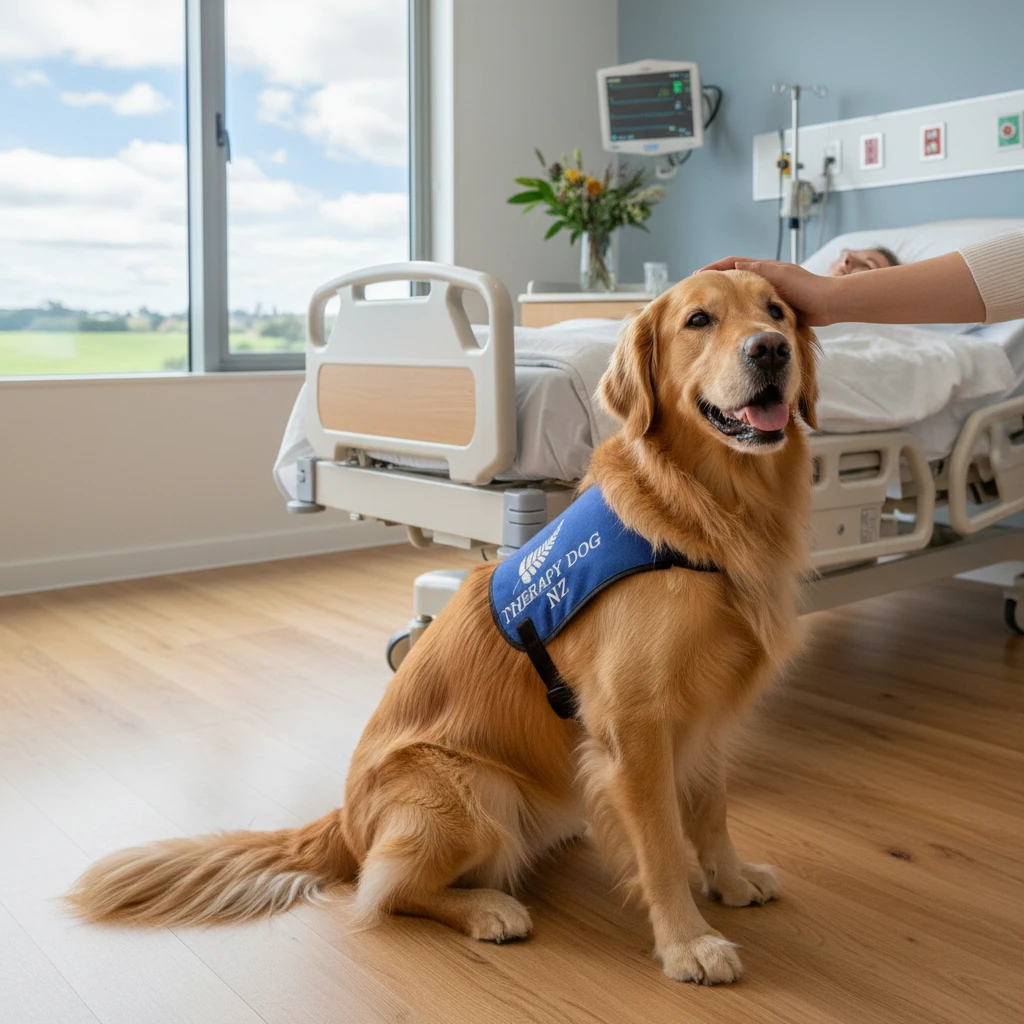
Labrador Retrievers offer a slightly different but equally valuable set of traits. While Goldens are often described as sensitive, Labradors are frequently seen as resilient and steady. This makes them excellent for environments that might be loud or unpredictable, such as primary schools or busy community centers. Their food-motivated nature also makes them incredibly easy to train for specific tasks, such as staying still for long periods while children read to them—a popular program in many NZ libraries.
Both breeds share a high degree of “biddability,” which is the willingness to follow human direction. In the world of therapy work, where the dog must remain under the handler’s control at all times, this trait is non-negotiable. Furthermore, their physical size is an advantage; they are tall enough to be petted by someone sitting in a chair or lying in a bed without requiring the person to reach down too far, making them ideal for orthopedic wards and geriatric care.
Greyhounds as Therapy Dogs: The Gentle Giants of the GAP Program
In recent years, New Zealand has seen a surge in the use of retired racing Greyhounds as therapy dogs, largely supported by the Greyhounds as Pets (GAP) program. While many people associate Greyhounds with high-speed racing, they are colloquially known as “45mph couch potatoes.” Their transition from the track to the therapy ward is one of the most successful canine career shifts in the country.
What makes a Greyhound one of the best choices for therapy work? It is their unique, cat-like temperament. They are remarkably quiet and rarely bark, which is a significant asset in quiet environments like hospices or intensive care units. Unlike more exuberant breeds, a Greyhound is content to stand perfectly still or lie quietly at someone’s feet for an extended period.
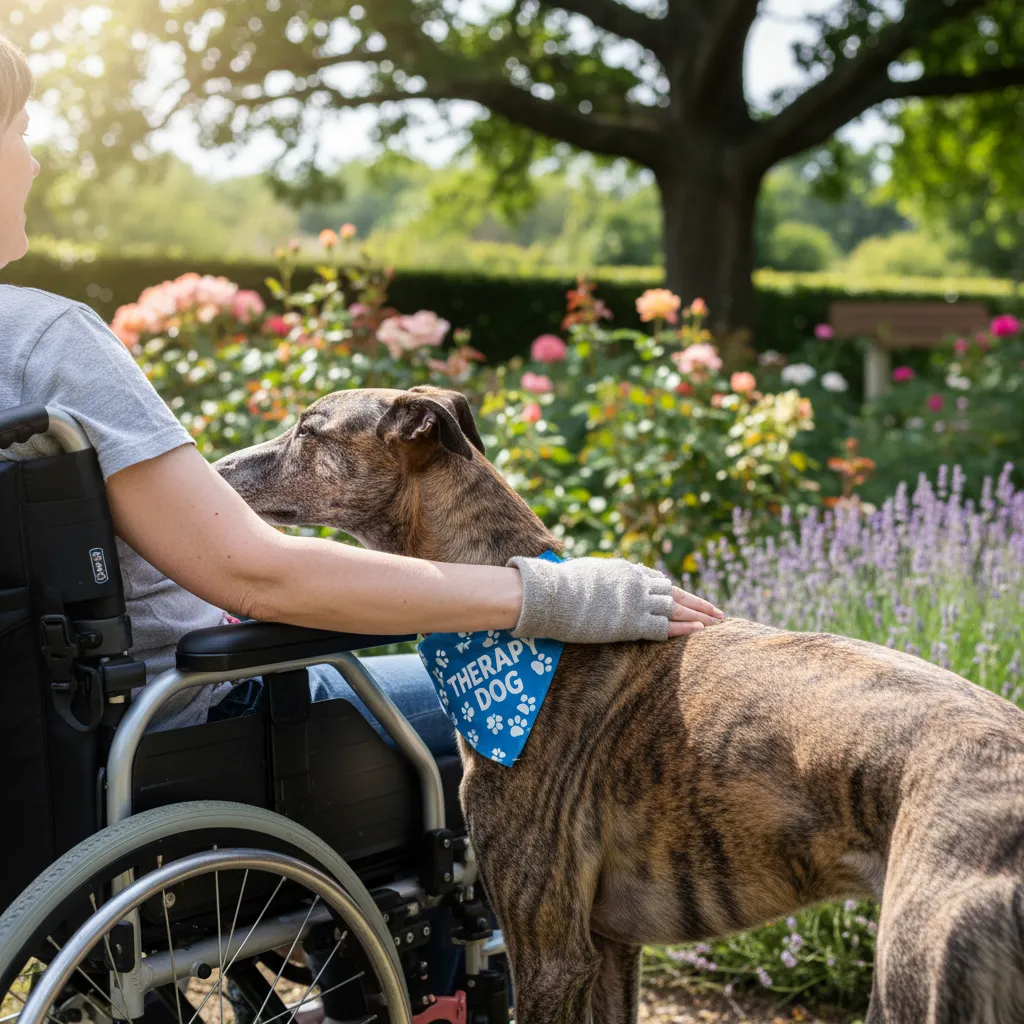
The GAP program in New Zealand ensures that retired racers are temperament tested before being rehomed. Many of these dogs are found to have a naturally stoic and calm demeanor that makes them impervious to the beeping of medical machinery or the sudden movements of people. Their height is another practical benefit; a Greyhound’s head is often at the perfect level for a person in a wheelchair to reach out and stroke, providing an immediate tactile connection without the need for the dog to jump or the human to bend.
Furthermore, Greyhounds have very thin coats and lack the “doggy smell” associated with many other breeds. This makes them more acceptable in clinical environments where hygiene and odors are strictly monitored. For Kiwis looking to adopt a dog that can give back to the community, a retired Greyhound offers a unique blend of grace, calm, and emotional intelligence.
Small Breeds for Lap Visits and Senior Care
While large dogs are excellent for bedside visits, there is a specific niche in New Zealand therapy work that only small breeds can fill. In many rest homes and dementia care units, the ability for a dog to sit comfortably on a resident’s lap is a game-changer. This physical closeness can break through the isolation often felt by seniors, providing warmth and a rhythmic heartbeat that is deeply soothing.
The Cavalier King Charles Spaniel is frequently cited as one of the best small breeds for this purpose. They were literally bred to be companion animals, and their desire for human contact is unparalleled. In NZ, Cavaliers are a staple of the “Canine Friends Therapeutic Dogs” organization. Their expressive eyes and silky fur provide a sensory experience that can stimulate memories and conversation in patients with cognitive decline.

Other small breeds that excel in New Zealand therapy roles include:
- Poodles (Toy and Miniature): Highly intelligent and hypoallergenic, making them perfect for facilities with allergy concerns.
- Bichon Frise: Known for their cheerful disposition and sturdy build, which allows them to handle being handled by multiple people.
- Pugs: Their sturdy nature and comical appearance can bring much-needed levity to high-stress environments.
The advantage of these smaller breeds is also logistical. In New Zealand’s smaller urban centers or more confined clinical spaces, a small dog is easier to transport and manage. They can be held by the handler if the floor is crowded, and they are generally less intimidating to people who may have a fear of larger animals. For a volunteer visiting multiple rooms in a retirement village, a well-behaved small dog is often the most versatile tool in their emotional support kit.
Why Temperament Matters More Than Breed
While we can generalize about breed traits, the most critical factor in determining what breed of dog is best as a therapy dog is the individual animal’s temperament. In the New Zealand therapy dog community, the saying “breed is a blueprint, but temperament is the house” holds true. A Golden Retriever that is too hyperactive or a Greyhound that is too timid will not succeed in therapy work, regardless of their pedigree.
A therapy dog must possess a specific set of psychological characteristics. First and foremost is a lack of aggression. This goes beyond not biting; it means the dog must not show signs of guarding, growling, or snapping even when startled or handled roughly. In a therapy setting, a dog might have its tail pulled by a child or be bumped by a walker. The dog must remain unfazed by these incidents.
Secondly, the dog must have a high degree of “social confidence.” They should enjoy meeting strangers and be comfortable in unfamiliar environments. New Zealand’s certification bodies, such as Canine Friends, look for dogs that actively seek out human interaction rather than just tolerating it. A dog that hides behind its owner’s legs or looks for the exit is not a suitable candidate, even if it is the “right” breed.

Finally, the handler’s relationship with the dog is paramount. In New Zealand, therapy work is a partnership. The handler must be able to read their dog’s body language perfectly, recognizing signs of fatigue or stress before they escalate. This “bond” ensures that the therapy session remains safe and productive for everyone involved. Often, a well-trained crossbreed or “SPCA special” with the right personality will outperform a purebred dog that lacks the necessary emotional stability.
How to Certify Your Therapy Dog in New Zealand
If you believe your dog has the right temperament, the next step is seeking certification. In New Zealand, therapy dogs are not just pets that visit hospitals; they are certified volunteers. The primary organization for this is Canine Friends Therapeutic Dogs, a nationwide network that has been operating for over 30 years. They provide the necessary assessment and insurance for dogs visiting healthcare facilities.
The certification process usually involves an assessment where the dog is exposed to various stimuli, such as loud noises, wheelchairs, and groups of people. The assessors look for the dog’s ability to remain calm and responsive to the owner’s commands. It is important to note that a therapy dog in NZ does not have the same legal access rights as a service dog (like a Guide Dog or a Mobility Dog). Therapy dogs are only allowed in facilities by invitation and arrangement.
Another notable organization is Pet Outreach, often associated with the SPCA in certain regions. These programs focus on the human-animal bond and require both the dog and the owner to undergo training. This training covers everything from hygiene protocols (such as ensuring the dog is bathed before visits) to ethical considerations, such as how to handle a patient who becomes overly emotional.
Preparing your dog for this role involves significant socialization. Owners are encouraged to take their dogs to different environments, expose them to various smells and sounds, and practice basic obedience until it is second nature. In Aotearoa, the community of therapy dog handlers is supportive and passionate, often meeting for group walks and training sessions to maintain their dogs’ skills.
Choosing the Right Companion for Others
Determining what breed of dog is best as a therapy dog ultimately depends on your lifestyle and the specific type of volunteer work you wish to do. If you have the space and energy for a large, affectionate animal, a Golden Retriever or Labrador is a classic choice that rarely fails. If you prefer a quieter, more dignified companion, a retired Greyhound from the GAP program offers a unique and rewarding experience.
For those living in smaller spaces or who want to focus on senior care, the Cavalier King Charles Spaniel or a Toy Poodle provides the perfect “lap-sized” solution. Regardless of the breed, the heart of therapy work in New Zealand lies in the individual dog’s temperament and the strength of the bond they share with their handler. By choosing the right dog and committing to the certification process, you can provide a profound service to your community, bringing joy and healing to those who need it most.
People Also Ask
Can any dog be a therapy dog in NZ?
Technically, any breed or crossbreed can become a therapy dog in New Zealand, provided they pass a rigorous temperament assessment. The dog must be calm, non-aggressive, and comfortable in varied environments like hospitals and schools.
What is the difference between a therapy dog and a service dog?
A service dog (like a Guide Dog) is trained to perform specific tasks for an individual with a disability and has legal access rights to public spaces. A therapy dog is a pet trained to provide comfort to many people and only has access to facilities where they are invited.
Do therapy dogs need special training in New Zealand?
Yes, while they don’t need the complex task-training of service dogs, they must have excellent basic obedience and be socialized to handle medical equipment, loud noises, and diverse groups of people without reacting.
What breeds are not suitable for therapy work?
Breeds with high guarding instincts, extreme shyness, or very high prey drives can be more challenging to certify. However, suitability is always judged on the individual dog’s temperament rather than the breed alone.
How do I register my dog with Canine Friends Therapeutic Dogs?
You can apply through their website. The process involves an initial application, a temperament assessment by a local coordinator, and a trial visit to ensure both you and your dog are comfortable in a therapeutic setting.
Are Poodles good therapy dogs?
Poodles are excellent therapy dogs. They are highly intelligent, easy to train, and their hypoallergenic coats make them ideal for visiting hospitals or schools where people may have allergies to dog dander.