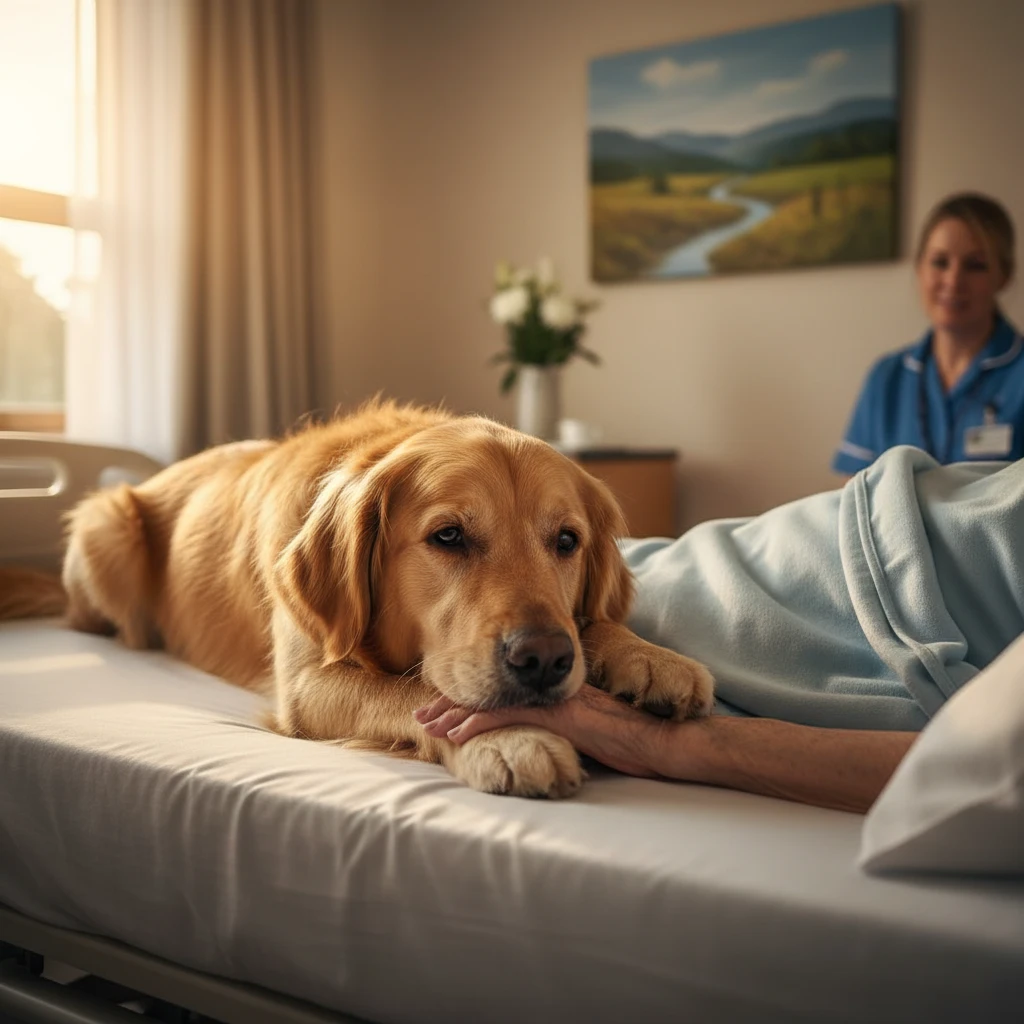
The benefits of therapy dogs for dementia patients encompass reduced agitation and anxiety, improved social interaction, and enhanced emotional well-being. By triggering the release of bonding hormones like oxytocin, these specially trained animals provide non-pharmacological relief for sundowning symptoms and offer vital sensory stimulation for those in advanced memory care.
As the prevalence of dementia and Alzheimer’s disease continues to rise across New Zealand, care facilities and families are increasingly seeking non-pharmacological interventions to improve quality of life. Animal-Assisted Therapy (AAT) has emerged as a scientifically backed solution, bridging the communication gap where language fails.
How do therapy dogs reduce sundowning and agitation?
One of the most challenging aspects of dementia care is managing behavioral and psychological symptoms of dementia (BPSD), specifically agitation and “sundowning”—a state of confusion that worsens in the late afternoon and evening. The benefits of therapy dogs for dementia patients are most visible during these critical windows.
Therapy dogs function as a biological anchor for patients experiencing cognitive drift. When a patient interacts with a therapy dog, several physiological changes occur:
- Cortisol Reduction: Interaction with a calm, friendly dog has been proven to lower cortisol (stress hormone) levels, physically slowing the heart rate and reducing blood pressure.
- Oxytocin Release: Stroking an animal releases oxytocin, the body’s bonding hormone, which counteracts feelings of isolation and fear often associated with sundowning.
- Disruption of Repetitive Behaviors: Patients with dementia often engage in pacing or repetitive verbalizations. A therapy dog provides a novel focal point, breaking the cycle of anxiety and redirecting attention to a positive external stimulus.
Improving Social Engagement in Memory Care Units
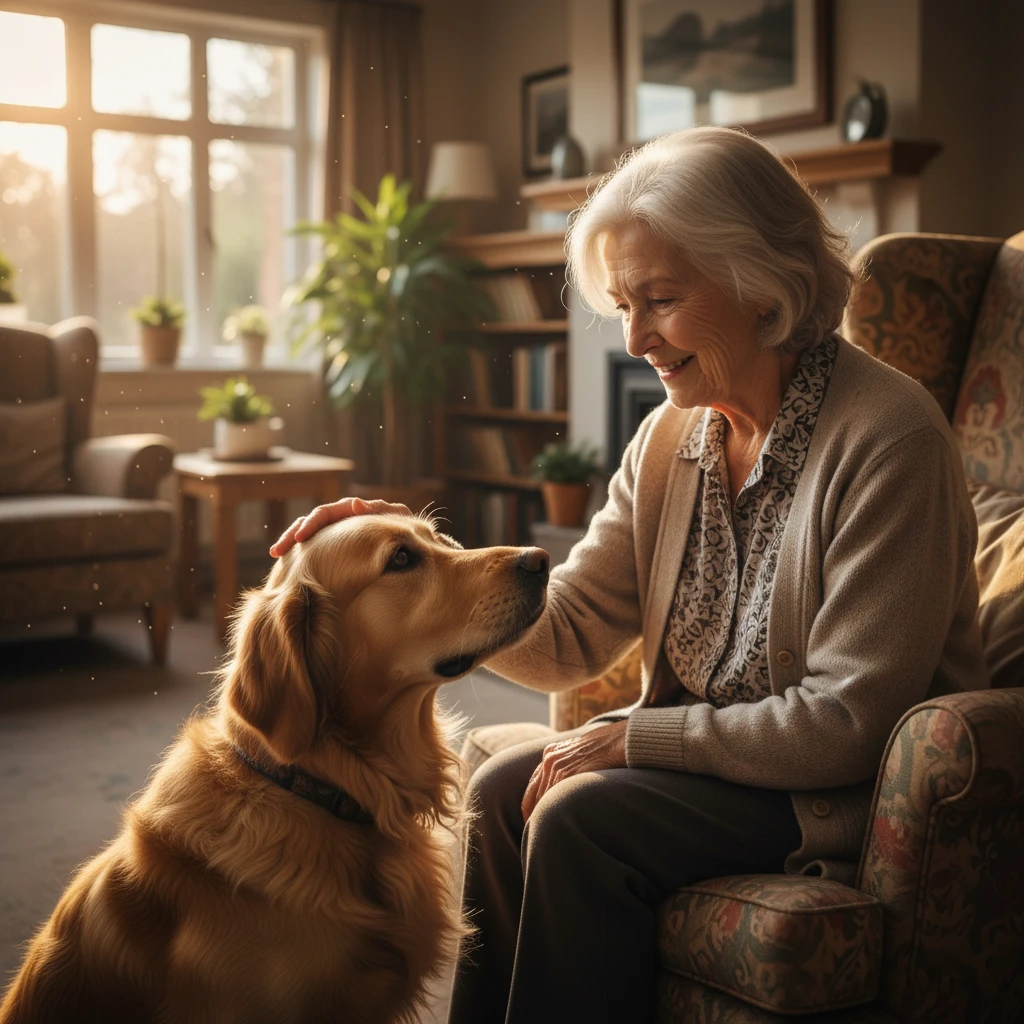
Apathy and social withdrawal are common progression markers in dementia. In a New Zealand memory care context, where communal lounges can sometimes become silent, therapy dogs act as “social catalysts.”
The Triadic Interaction Effect
Research indicates that the presence of a dog encourages a triadic interaction model:
- Patient-to-Dog: The resident initiates contact with the animal (verbal or non-verbal).
- Patient-to-Handler: The resident asks the handler questions about the dog (e.g., “What is his name?”, “Is he hungry?”).
- Patient-to-Patient: Residents begin discussing the dog with one another, unlocking memories of their own past pets.
This social lubrication is vital. It transforms a passive environment into an active one. For patients who have lost the ability to follow complex conversations, the dog provides a shared, low-pressure topic that does not require short-term memory to enjoy. The immediate joy of the interaction is accessible regardless of cognitive decline.
Sensory Stimulation and Emotional Regulation
As cognitive faculties decline, patients rely more heavily on sensory input to interpret their environment. Therapy dogs provide rich, multi-sensory stimulation that grounds patients in the present moment.
- Tactile: The texture of the fur, the warmth of the animal’s body, and the wetness of a nose provide distinct tactile feedback. This is crucial for patients who may be “touch starved” in sterile clinical environments.
- Visual: Tracking the movement of a dog requires visual attention, helping to maintain alertness.
- Auditory: The sound of paws on the floor or panting provides recognizable auditory cues that are rarely threatening.
Furthermore, dogs are non-judgmental. They do not correct a patient who repeats a story or forgets a name. This unconditional acceptance promotes emotional regulation, allowing the patient to feel safe and competent, which is often a struggle in their daily interactions with human caregivers who must enforce schedules and hygiene.
NZ-Based Logistics and Case Studies
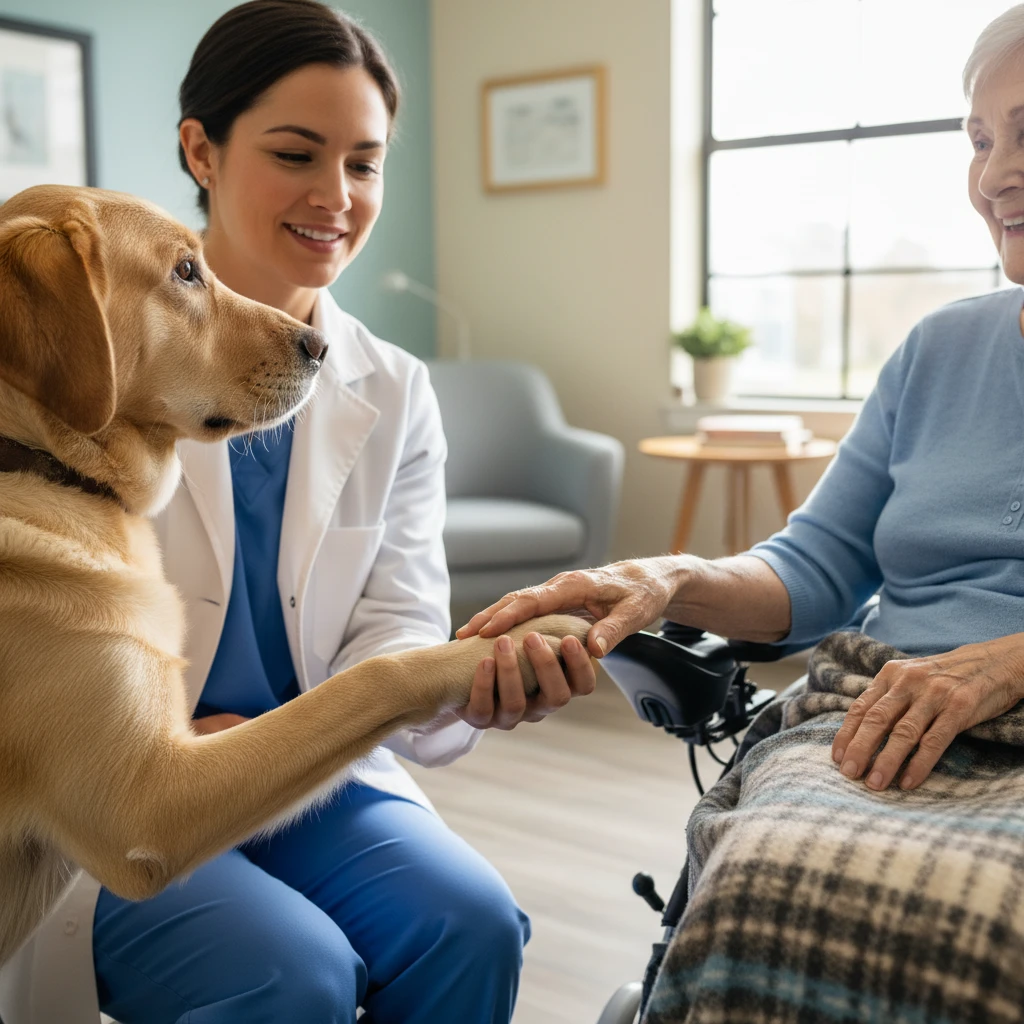
In New Zealand, the integration of Animal-Assisted Intervention (AAI) is gaining traction, supported by organizations such as St John Therapy Pets and Canine Friends Pet Therapy. However, for private logistics providers and care home administrators, understanding the local landscape is essential.
Case Study Observations in NZ Wards
In trials conducted within Auckland and Christchurch memory care units, facility managers noted distinct operational benefits alongside clinical ones:
- Staff Morale: The presence of therapy dogs improved the mood of nursing staff and caregivers, reducing burnout rates in high-stress dementia wards.
- Family Satisfaction: Whānau visiting relatives in care reported that visits were easier and more positive when a therapy dog was present, as it bridged the gap between the visitor and the declining relative.
- Medication Reduction: Anecdotal evidence from NZ facilities suggests a correlation between regular therapy dog visits and a reduction in the use of “PRN” (as needed) psychotropic medications for anxiety.
The Business of Therapy Dogs: Safety and Compliance
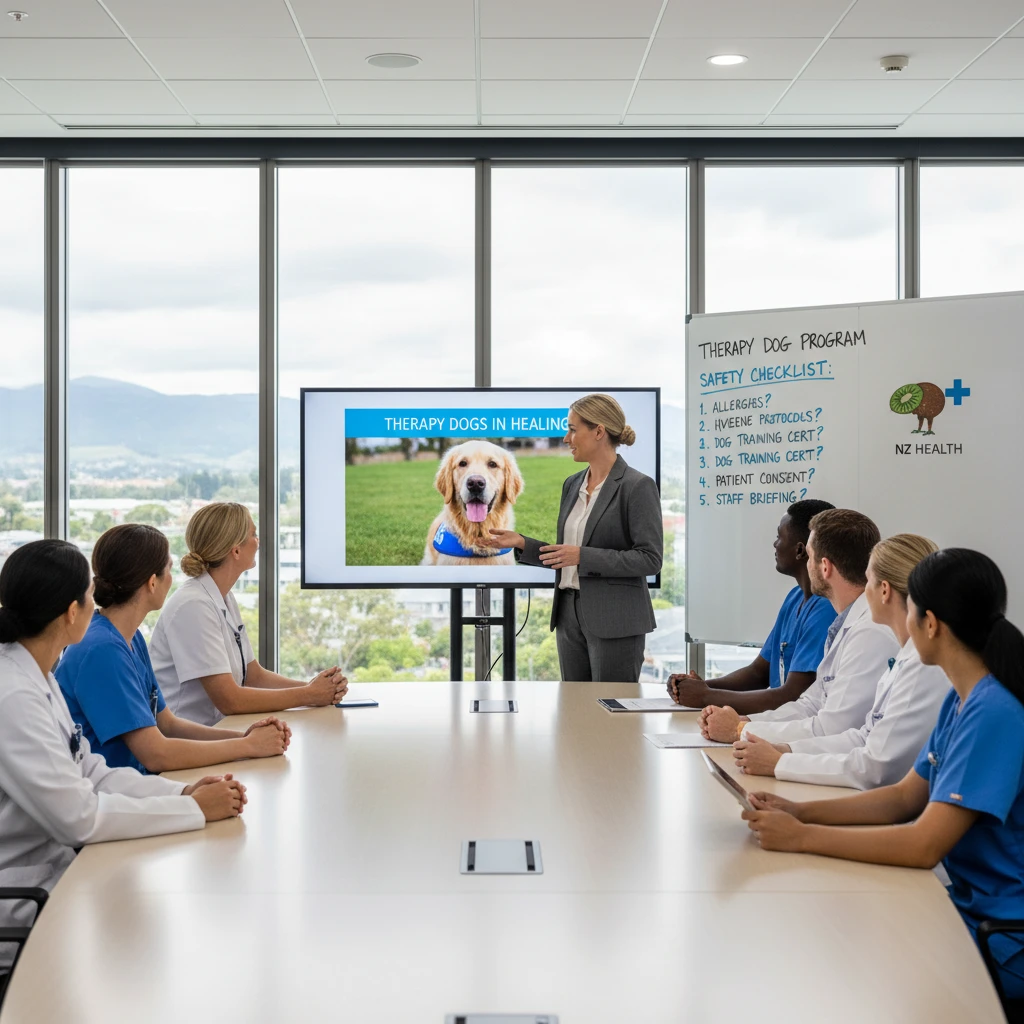
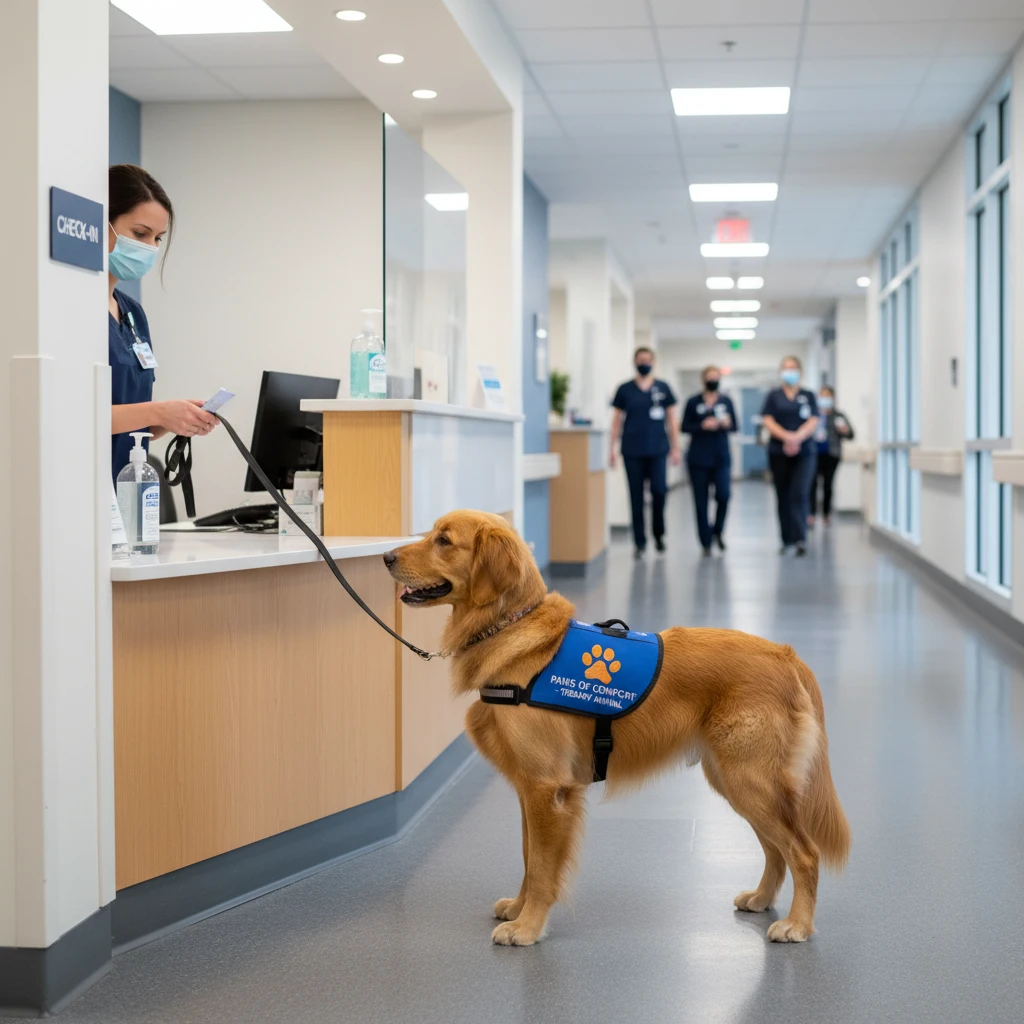
For businesses involved in the logistics of Therapy Dogs in NZ, delivering the benefits of therapy dogs for dementia patients requires rigorous adherence to safety protocols. It is not merely about bringing a pet into a facility; it is a managed risk environment.
Infection Control and Zoonosis
Dementia patients are often immunocompromised. Logistics providers must ensure:
- Veterinary Clearance: Dogs must have up-to-date vaccinations (Leptospirosis, Parvovirus, Distemper) and regular parasite control.
- Grooming Standards: Dogs must be bathed within 24 hours of a visit to minimize allergens and dander.
- Nail Care: To prevent skin tears on elderly patients with fragile skin (paper skin), nails must be short and filed smooth.
Risk Assessment and Insurance
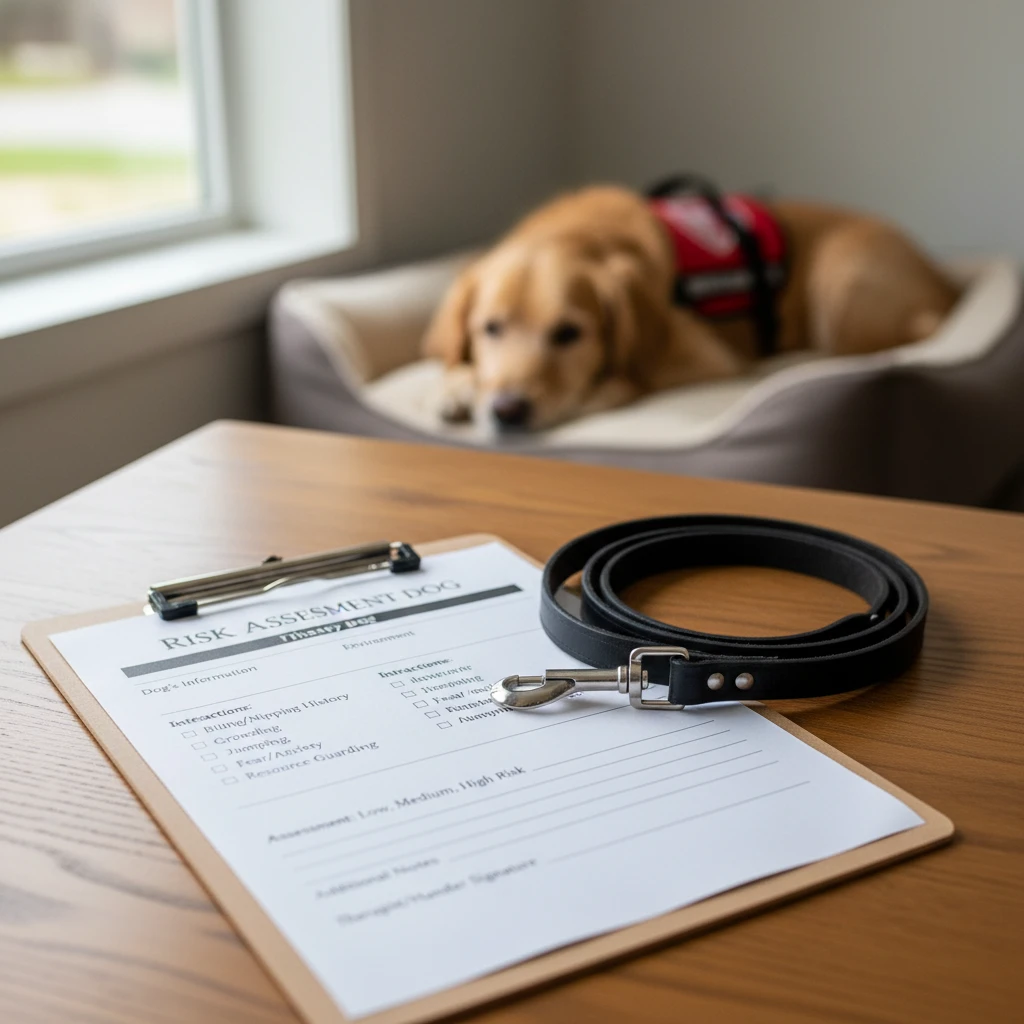
Under the Health and Safety at Work Act 2015, facility operators must identify hazards. A therapy dog is a potential hazard. Professional logistics involve:
- Temperament Testing: Not all dogs are suitable. They must pass rigorous testing for noise sensitivity, reaction to sudden movements (common in dementia patients), and resource guarding.
- Public Liability Insurance: Handlers or the contracting agency must hold specific liability insurance that covers animal-inflicted injury, however unlikely.
- Visit Duration Logistics: Dementia wards are high-energy environments. Logistics planning usually limits dog shifts to 45–60 minutes to prevent animal fatigue, which can lead to behavioral slips.
People Also Ask
What is the best therapy dog breed for dementia?
There is no single “best” breed, but temperament is key. Golden Retrievers, Labradors, and Poodles are popular due to their intelligence and gentle nature. However, smaller breeds like Cavalier King Charles Spaniels are excellent for lap-sitting with wheelchair-bound patients.
Are therapy dogs free in New Zealand?
Many services, such as St John Therapy Pets, operate on a volunteer basis and are free or require a small donation. However, private professional animal-assisted therapy providers may charge for structured clinical sessions.
Can a resident keep their own dog in a care home?
Some progressive NZ retirement villages allow pets, but in high-dependency dementia units, it is rare due to the care requirements of the animal. Visiting therapy dogs are the standard alternative.
How often should therapy dogs visit dementia patients?
Consistency is beneficial. Weekly or bi-weekly visits help establish a routine, which is comforting for dementia patients. However, even sporadic visits can provide immediate mood elevation.
What is the difference between a service dog and a therapy dog?
A service dog is trained to perform specific tasks for one person with a disability (e.g., a guide dog). A therapy dog is trained to provide comfort and affection to many people in clinical or communal settings.
Are robotic therapy dogs effective for dementia?
Yes, robotic pets (like the PARO seal) are used in NZ when live animals are not feasible due to allergies or aggression risks. They offer similar tactile and emotional benefits without the logistical challenges of live animals.