
Animal therapy courses in New Zealand typically range from $450 NZD for introductory online workshops to over $3,500 NZD for comprehensive clinical certification programs. Pricing depends on the level of accreditation, course duration, and whether practical dog handling assessments are included. Professional certification usually requires additional annual membership fees for ongoing registration.
Introduction to Professional AAT Training
The integration of animals into therapeutic and educational settings—known as Animal Assisted Therapy (AAT) or Animal Assisted Interventions (AAI)—is rapidly moving from a niche interest to a scientifically backed modality in New Zealand. For mental health professionals, educators, and allied health practitioners, the demand for qualified therapy dog teams is at an all-time high.
However, bringing a dog into a clinical or educational environment requires more than just a well-behaved pet. It necessitates rigorous training, an understanding of zoonosis, risk management, and animal ethology. This guide provides a comprehensive breakdown of animal therapy course NZ pricing, certification pathways, and the professional standards required to practice legally and ethically in New Zealand.

Courses for Psychologists, Counselors, and Teachers
In New Zealand, training pathways are often segmented based on the professional’s existing qualifications. Unlike volunteer visitation programs (such as those visiting rest homes), professional AAT courses are designed to integrate the animal into a documented treatment plan or educational curriculum.
For Mental Health Professionals (Psychologists & Counselors)
Clinical psychologists, psychotherapists, and counselors require training that focuses on the therapeutic alliance. Courses for this demographic typically cover:
- Trauma-Informed Care: How to use a dog to regulate the nervous system of clients with PTSD.
- Ethical Implications: Managing client attachment to the animal and ensuring the welfare of the therapy dog during intense emotional sessions.
- Insurance & Liability: Navigating professional indemnity insurance within the NZ context when an animal is present.
For Educators and Teachers
Schools across New Zealand are increasingly adopting “school dogs.” However, the Ministry of Education and Boards of Trustees require strict adherence to health and safety policies. Courses for teachers focus on:
- Reading Programs: Techniques for canine-assisted reading interventions to boost literacy.
- Classroom Management: Managing student interactions and preventing over-stimulation for the dog.
- Allergy and Phobia Management: Protocols for inclusive education environments.
Certification Requirements for Clinical Practice
Simply completing a course is often not enough for clinical practice. In New Zealand, “Certification” implies that a specific team (handler and dog) has been assessed and deemed safe to work together.
The Assessment Process
A reputable certification will always include a practical assessment. Online-only courses that certify a dog without seeing it are generally not recognized by insurance providers or professional bodies. The assessment usually involves:
- Temperament Testing: Ensuring the dog is confident, calm, and recovers quickly from startling stimuli (e.g., loud noises, rough handling).
- Obedience Skills: High-level obedience including “leave it,” walking on a loose lead, and reliable recall in high-distraction environments.
- Handler Skills: The human’s ability to read their dog’s stress signals (calming signals) and advocate for the animal’s welfare.

Animal Therapy Course NZ Pricing and Duration
When researching animal therapy course NZ pricing, it is vital to distinguish between “handler-only” education and full “team certification.” Below is a comparative market analysis of current pricing structures in New Zealand.
Level 1: Introductory Workshops
Price Range: $450 – $800 NZD
Duration: 1-2 Days (or 8-10 hours online)
Target Audience: Professionals considering AAT or those wanting to understand the basics.
These courses generally cover the theory of the human-animal bond and basic risk management. They rarely result in a certification that allows you to start working with a dog immediately but are excellent for CPD.
Level 2: Team Training & Assessment
Price Range: $1,200 – $2,500 NZD
Duration: 3-6 Months (Hybrid learning)
Target Audience: Professionals ready to deploy a dog in their practice.
This tier usually includes online modules followed by an intensive practical workshop (often held in major centers like Auckland, Wellington, or Christchurch). The price often covers the first year of registration and the practical team assessment.
Level 3: Advanced Clinical Certification (Diploma Level)
Price Range: $3,500 – $6,000+ NZD
Duration: 1 Year+
Target Audience: Specialists wanting to become leaders in the field or train others.
These comprehensive programs dive deep into neurobiology, advanced ethology, and specific clinical interventions. They are often university-affiliated or provided by international organizations with NZ branches.
Hidden Costs to Consider
When budgeting, professionals must also account for:
- Annual Renewal Fees: $150 – $300 NZD per year to maintain active registration.
- Veterinary Checks: Annual health clearances for the dog.
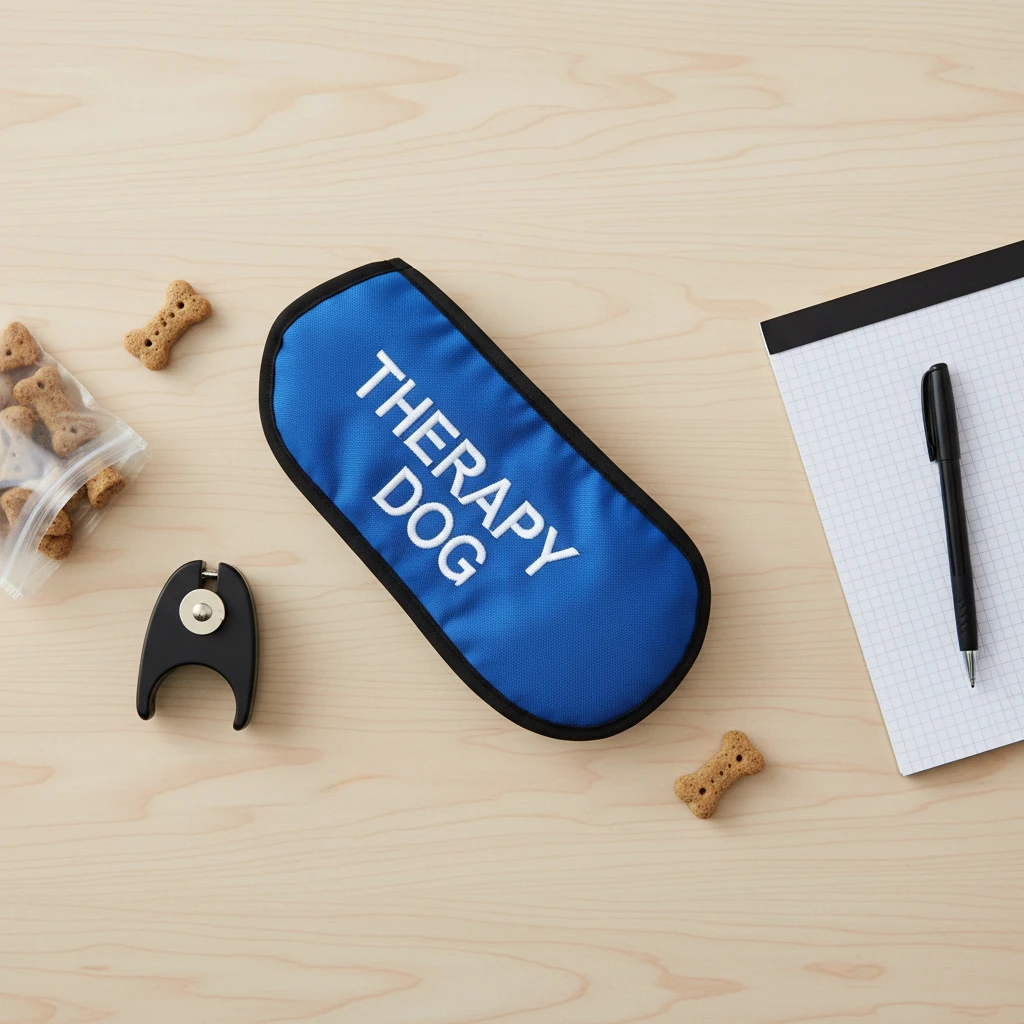
- Equipment: Vests, mats, and treats ($200+).
- Insurance: Adding the dog to professional liability policies.
What You Will Learn: Curriculum Overview
High-quality courses in New Zealand are designed to protect the welfare of the animal as much as the client. A standard professional curriculum includes:
Module 1: Canine Ethology and Body Language
Understanding what a dog is saying is the cornerstone of AAT. Professionals learn to identify “displacement behaviors” (like lip licking or yawning) which indicate the dog is stressed. Ignoring these signs is the leading cause of incidents in therapy settings.
Module 2: Zoonosis and Infection Control
In a post-COVID world, hygiene is paramount. Courses teach protocols for minimizing the transfer of diseases between humans and animals, a critical requirement for working in hospitals or schools.
Module 3: Goal-Directed Interventions
This module teaches how to document the dog’s impact. For example, rather than “the client pet the dog,” a psychologist might document: “The presence of the canine co-therapist facilitated a 20% reduction in client heart rate, allowing for verbal processing of trauma.”
Continuing Professional Development (CPD) Points
For New Zealand professionals, ensuring that your investment in training counts toward your annual registration is essential. Most reputable animal therapy courses are structured to meet the CPD requirements of major NZ bodies.
- New Zealand Psychologists Board: AAT training typically falls under “Continuing Competence.” You must be able to reflect on how the training improves your clinical practice.
- Teaching Council of Aotearoa New Zealand: Courses related to classroom management and inclusive education (via therapy dogs) can often be used for professional growth cycles.
- Social Workers Registration Board (SWRB): Evidence of upskilling in therapeutic modalities is highly valued.
Note: Always check with your specific registration board to confirm how many points or hours can be claimed before enrolling.

How to Choose the Right Training Provider
With the rise in popularity of AAT, “certificate mills” have appeared online. These sell vests and certificates without proper training. To protect your professional reputation and safety, look for the following in a New Zealand provider:
- Practical Assessment: Do they require you to demonstrate control of your dog in person?
- Instructor Qualifications: Are the instructors qualified in both mental health/education and dog behavior?
- Force-Free Training: Ethical AAT programs strictly forbid the use of prong collars, shock collars, or fear-based training methods.
- Ongoing Support: Do they offer re-certification and support if you encounter behavioral issues later?
Frequently Asked Questions
Do I need my own dog to take an animal therapy course?
For the introductory theoretical modules, you usually do not need a dog. However, for full certification as a therapy team, you must have a dog that you own or have significant access to, as the bond between handler and dog is part of the assessment.
How long does it take to certify a therapy dog in NZ?
From start to finish, the process typically takes 6 to 12 months. This includes basic obedience training (which should be done prior to the course), the AAT specific coursework, and the final practical assessments.
Can any breed of dog become a therapy dog?
Yes, any breed can be a therapy dog provided they have the right temperament. However, in New Zealand, breeds restricted under the Dog Control Act (such as Pit Bull Terriers) are generally not eligible for insurance coverage in professional therapy settings.
Is there a difference between a therapy dog and an assistance dog?
Yes, a massive difference. Assistance dogs (like Guide Dogs) are trained to perform tasks for a disabled handler and have public access rights. Therapy dogs work to help others and do not have public access rights to cafes, planes, or shopping malls.
Are online animal therapy certifications valid in New Zealand?
Online-only certifications that do not include a live or video-reviewed practical assessment of the dog are generally not accepted by NZ insurance companies or employers (schools/clinics) due to liability risks.
What is the average salary for an animal assisted therapist in NZ?
There is rarely a specific “Animal Therapist” job title. Instead, professionals (psychologists, teachers, OTs) add this skill to their existing role. Therefore, the salary aligns with their primary profession, ranging from $60,000 to $120,000+ NZD.