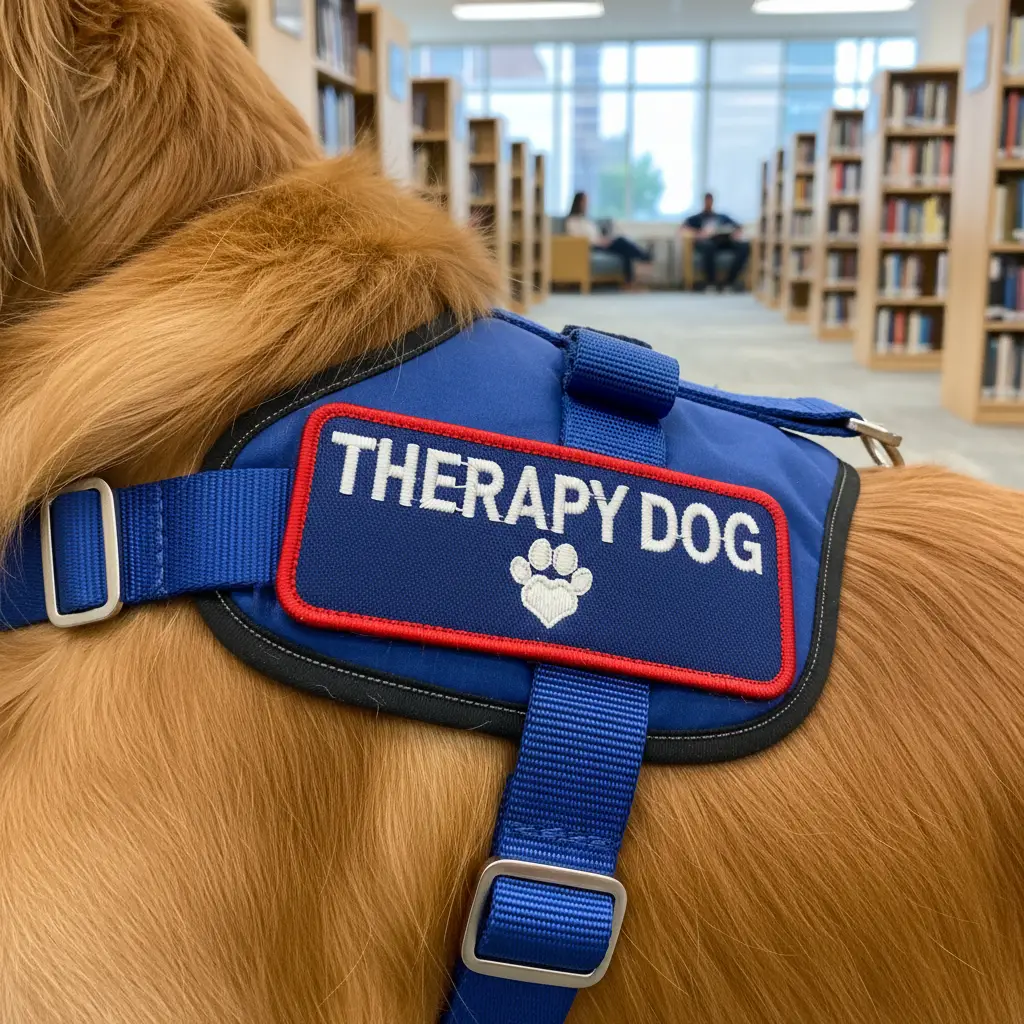
Marketing AAT services in NZ requires a multi-faceted approach combining professional branding, strategic networking with healthcare providers like OTs and rest homes, and robust local SEO. Success hinges on demonstrating credibility through recognized certifications, maintaining ethical advertising standards that prioritize animal welfare, and building relationships within the local New Zealand health sector.
Launching an Animal-Assisted Therapy (AAT) business in New Zealand is a rewarding venture that bridges the gap between clinical healthcare and the unique bond humans share with animals. However, having a qualified therapy dog and the right intentions is only the beginning. To sustain a viable practice, you must master the art of positioning your services within the competitive and highly regulated NZ health and education sectors. This guide provides a comprehensive roadmap for marketing your therapy dog business effectively.
How to Build a Professional Brand in the NZ Health Sector?
In the New Zealand healthcare landscape, trust is the currency of business. Whether you are targeting private clients, ACC-funded providers, or educational institutions, your brand must exude professionalism, safety, and clinical relevance. Unlike general pet businesses, an AAT provider operates in a clinical or para-clinical environment, meaning your branding needs to reflect high standards of care.
Why is credibility crucial for therapy dog businesses?
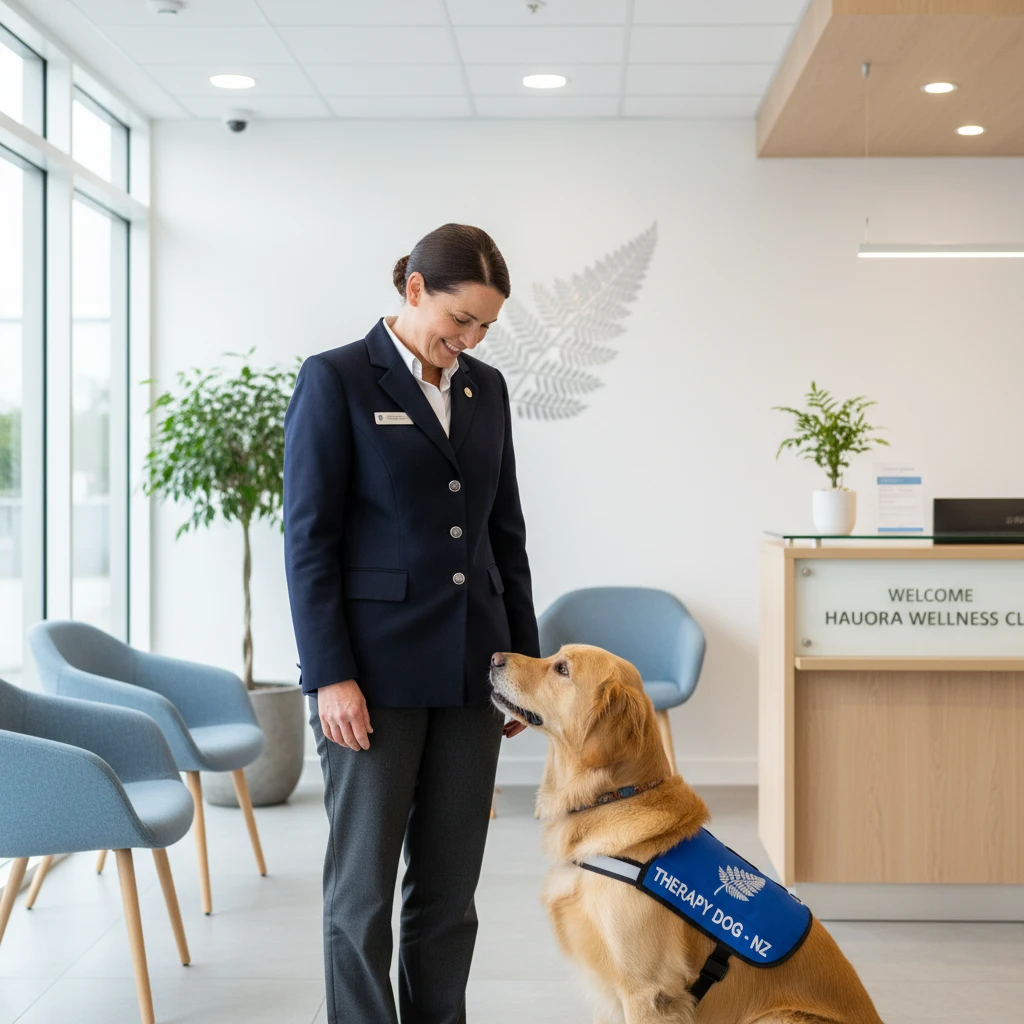
Credibility is the foundation of your marketing strategy. New Zealand’s health sector is small and interconnected; reputation travels fast. To market AAT services effectively, you must distinguish yourself from hobbyists or “pet therapy” volunteers. While volunteer work is noble, a professional business charges for clinical or therapeutic outcomes.
Your brand identity—logo, website, and uniforms—should signal that you are a healthcare professional or a professional handler working alongside clinicians. Avoid overly cutesy imagery that might suggest a petting zoo service. Instead, opt for clean, modern aesthetics that align with allied health professionals like Occupational Therapists or Speech-Language Therapists.
What certifications and insurance do I need to display?
Transparancy regarding qualifications is a potent marketing tool. In your marketing materials, prominently display your team’s qualifications. This includes:
- Handler Qualifications: Degrees in psychology, nursing, education, or specific AAT certifications.
- Dog Certifications: Proof of temperament testing and therapy dog registration (e.g., passing the Canine Good Citizen test is a start, but specific therapy dog accreditation carries more weight).
- Insurance: Explicitly stating that you hold comprehensive public liability and professional indemnity insurance reassures potential facility managers that you are a low-risk contractor.
By front-loading this information, you remove barriers to entry for risk-averse organizations like District Health Boards (Te Whatu Ora) or large aged-care franchises.
How to Network with OTs, Schools, and Rest Homes?
Direct marketing and networking are often more effective than general advertising when trying to secure contracts with institutions. The decision-makers in these sectors—principals, facility managers, and clinical leads—rely heavily on trusted referrals and professional relationships.

How to approach Occupational Therapists (OTs)?
Occupational Therapists are among the most natural allies for AAT services. They often look for innovative modalities to help clients achieve functional goals. When marketing to OTs, speak their language. Do not just sell “dog visits”; sell “functional outcomes facilitated by canine interaction.”
Create a professional information pack that outlines how your services align with common OT goals, such as:
- Fine Motor Skills: Grooming or buckling a vest.
- Emotional Regulation: Co-regulation with the animal during stressful tasks.
- Social Engagement: Using the dog as a social bridge.
Attend local allied health networking events or ask to present a 15-minute in-service at local OT clinics. Bringing your (impeccably behaved) dog to these meetings acts as a live demonstration of your product’s value.
What do schools look for in therapy dog programs?
Schools in New Zealand are increasingly aware of student wellbeing and anxiety levels. However, they are also highly bureaucratic and risk-averse. When pitching to schools, your marketing must address safety and logistics before it addresses benefits.
Your proposal should include:
- Risk Management Plans: Detailed protocols for hygiene, allergies, and potential aggression.
- Educational Alignment: How your program supports the NZ Curriculum key competencies (e.g., Managing Self, Relating to Others).
- Funding Options: Schools often have tight budgets. Suggesting funding streams, such as the Ministry of Education’s Urgent Response Fund (if applicable) or PTA grants, can make the decision easier for Principals.
Connecting with aged care facilities and rest homes
The aged care sector is a traditional market for therapy dogs, but the market is shifting from “entertainment” to “therapeutic engagement.” To market effectively here, differentiate your service from volunteer visitors. Highlight the consistency, reliability, and specific engagement strategies you use for residents with dementia or limited mobility.
Contact the Diversional Therapist or Activities Coordinator directly. Offer a paid trial session to demonstrate the difference between a professional AAT service and a casual visit. Emphasize your ability to document interactions, which assists facilities in their auditing and reporting requirements.
What Digital Marketing Strategies Work for Local SEO?
While word-of-mouth is powerful, a strong digital presence ensures that when potential clients search for “therapy dogs near me” or “animal assisted therapy [City Name],” your business appears first. Local SEO (Search Engine Optimization) is critical for service-based businesses in NZ.

How to optimize Google Business Profile for therapy services?
Your Google Business Profile (formerly Google My Business) is likely the first thing a local client will see. To optimize this:
- Claim and Verify: Ensure you own your listing.
- Categories: Choose accurate categories. “Mental Health Service” or “Occupational Therapist” (if licensed) are better than generic pet categories.
- Service Area: Clearly define the regions you service (e.g., “Greater Wellington Region,” “North Shore Auckland”).
- Reviews: Actively request reviews from satisfied facility managers or private clients. A 5-star rating builds immediate trust with new prospects.
Content marketing strategies for AAT
Content marketing involves creating valuable information that draws people to your website. In the AAT niche, there is a hunger for information. Start a blog on your website that answers common questions.
Effective content topics include:
- “The difference between a Service Dog, Therapy Dog, and Emotional Support Animal in NZ.”
- “How Animal-Assisted Therapy supports children with autism.”
- “Case studies of AAT in NZ rest homes” (anonymized).
Use NZ-specific keywords. Instead of just “therapy dog training,” use “therapy dog certification NZ” or “AAT services Christchurch.” This signals to Google that your content is relevant to local searchers.
How to Ensure Ethical Advertising for AAT?
Marketing involving animals and vulnerable human populations requires a strict ethical framework. Misleading claims or exploitation of animals can destroy a reputation overnight. Ethical advertising is not just a moral obligation; it is a unique selling proposition that sets top-tier businesses apart.

Avoiding overpromising clinical results
It is vital to manage expectations. While therapy dogs can facilitate amazing breakthroughs, they are not magic cures. Avoid language that guarantees results like “cures anxiety” or “fixes behavioral issues.”
Instead, use evidence-based language:
- “Can assist in reducing cortisol levels.”
- “May improve social engagement.”
- “Supports traditional therapeutic goals.”
Referencing research studies in your marketing materials adds weight to your claims without overpromising. This appeals to healthcare professionals who value evidence-based practice.
Prioritizing animal welfare in marketing materials
Your marketing should visibly demonstrate your commitment to your dog’s welfare. Clients want to know that the dog enjoys the work and is not being exploited. This is increasingly important to NZ consumers who are high-welfare conscious.
How to show this:
- Include photos of your dog having “downtime” or being a regular dog, not just working.
- Explicitly mention your policy on working hours (e.g., “We limit sessions to 2 hours per day to ensure our dogs remain happy and engaged”).
- Explain the concept of “consent testing” in your FAQ or service description, showing that the dog has the choice to interact.
By marketing your high ethical standards, you attract clients who value quality and safety, justifying premium pricing for your professional services.
Frequently Asked Questions
Do I need a specific qualification to start a therapy dog business in NZ?
While there is no single mandatory government license for the business itself, operating without relevant qualifications is risky and limits your market. Most healthcare and educational facilities require handlers to have a background in health or education, and dogs to have passed a reputable temperament and obedience assessment (like the Canine Good Citizen or specific therapy dog accreditation).
How much should I charge for therapy dog services in NZ?
Rates vary significantly based on qualifications and location. A volunteer organization may charge a small admin fee, but professional AAT providers typically charge hourly rates comparable to other allied health assistants or consultants, ranging from $80 to $150+ NZD per hour, especially if the handler is a registered clinician (e.g., Psychologist or OT).
Can I market my therapy dog business to ACC clients?
Yes, but usually indirectly. You typically need to be a registered vendor or work as a subcontractor for an existing ACC-registered provider (like a rehabilitation clinic). You would market your services to these providers as a complementary therapy that can help achieve the client’s rehabilitation goals.
What is the difference between AAT and AAA in marketing?
Animal-Assisted Therapy (AAT) is goal-directed, documented, and delivered by a health/human service professional. Animal-Assisted Activities (AAA) are more casual “meet and greet” activities. In marketing, use AAT if you are clinical and outcome-focused, and AAA if you provide general visitation and comfort. Misusing these terms can lead to liability issues.
How do I get my therapy dog into NZ schools?
Marketing to schools requires a proposal focusing on safety and student wellbeing. You need to present a clear policy on health and safety, vetting (Police vetting for the handler), and insurance. Building a relationship with the school’s SENCO (Special Educational Needs Coordinator) or Learning Support team is often the best entry point.
Is liability insurance required for marketing therapy dog services?
Yes, having public liability and professional indemnity insurance is virtually mandatory for securing contracts. Marketing that you are “Fully Insured” builds immense trust and is often a prerequisite for becoming a vendor for government or healthcare organizations.