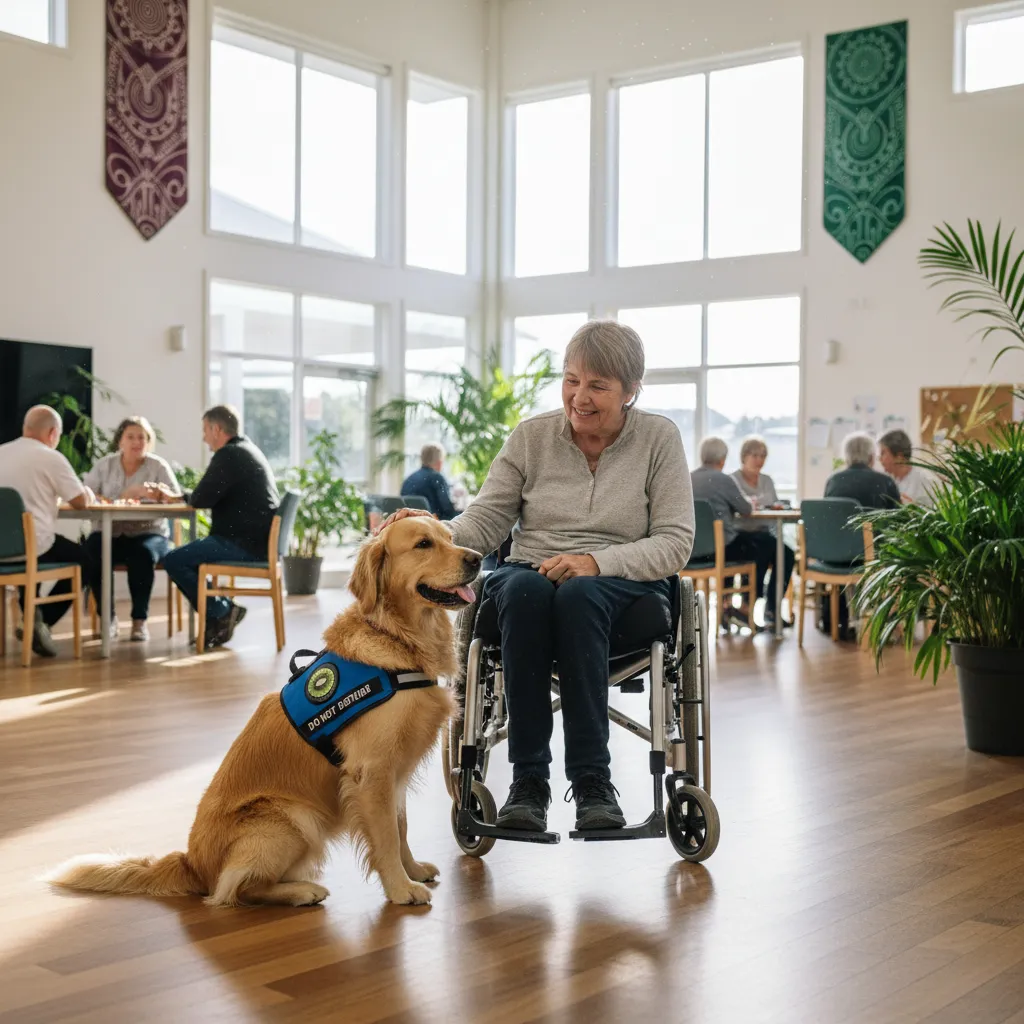
Learning support dog funding in New Zealand is primarily secured through a combination of the Ministry of Education’s Operational Grant (specifically the Special Education Grant), community gaming trust grants, and Board of Trustees allocations. Schools must strategically align Animal Assisted Therapy (AAT) costs with pastoral care and learning support budgets during Term 1 planning to ensure financial sustainability.
Introduction
As New Zealand schools open their doors for Term 1, Principals and Boards of Trustees (BoT) face the perennial challenge of budget allocation. Amidst the standard operational costs, the demand for innovative pastoral care solutions—specifically Learning Support Dogs—is rising. However, the financial logistics of implementing and maintaining a canine program are often the biggest barrier to entry.
For educators and Special Educational Needs Coordinators (SENCOs), understanding the nuances of learning support dog funding NZ is critical. It is not merely about purchasing a dog; it involves securing funds for specialized training, insurance, veterinary care, and ongoing certification. This guide provides a strategic roadmap for maximizing your Term 1 budget, navigating Ministry of Education funding streams, and leveraging community resources to establish a sustainable Animal Assisted Therapy (AAT) program.

Maximizing Term 1 Budget Allocations for AAT
Term 1 is the most critical period for financial planning in the New Zealand school year. This is when the confirmed Operational Grant is distributed and when department budgets are finalized. To secure funding for a Learning Support Dog, the program must be positioned not as a “pet project,” but as a core component of the school’s Learning Support and Pastoral Care strategy.
Aligning AAT with Strategic Goals
When presenting the budget to the Board of Trustees, link the costs of the dog directly to the school’s strategic goals. Most NZ schools have specific targets regarding:
- Student Wellbeing (Hauora): Demonstrate how the dog contributes to mental health support, reducing anxiety, and improving emotional regulation.
- Attendance and Engagement: Cite evidence suggesting that therapy dogs can improve attendance rates for students with school refusal issues.
- Literacy and Numeracy: If the dog is used for reading programs (e.g., “Reading to Dogs”), allocate a portion of the literacy budget to the program.
The Operational Grant: Where does the money fit?
The bulk of school funding comes from the Ministry of Education’s Operational Grant. Within this, specific components can be utilized:
1. Pastoral Care Budget: This is the most common source. Arguments can be made to divert funds intended for external counseling services toward the maintenance of an on-site therapy dog, provided the outcomes are measurable.
2. Professional Development (PD): The handler (usually a teacher or teacher aide) requires training. This cost should be absorbed by the school’s PD budget. In Term 1, ensure that “Canine Assisted Intervention Training” is listed as a priority PD area.
Applying for Ministry of Education ‘Specialist’ Funding
While the Ministry of Education does not have a specific line item for “School Dogs,” clever navigation of existing specialist funding pools can yield results. The key is to frame the dog as a resource or intervention tool required to meet the needs of priority learners.
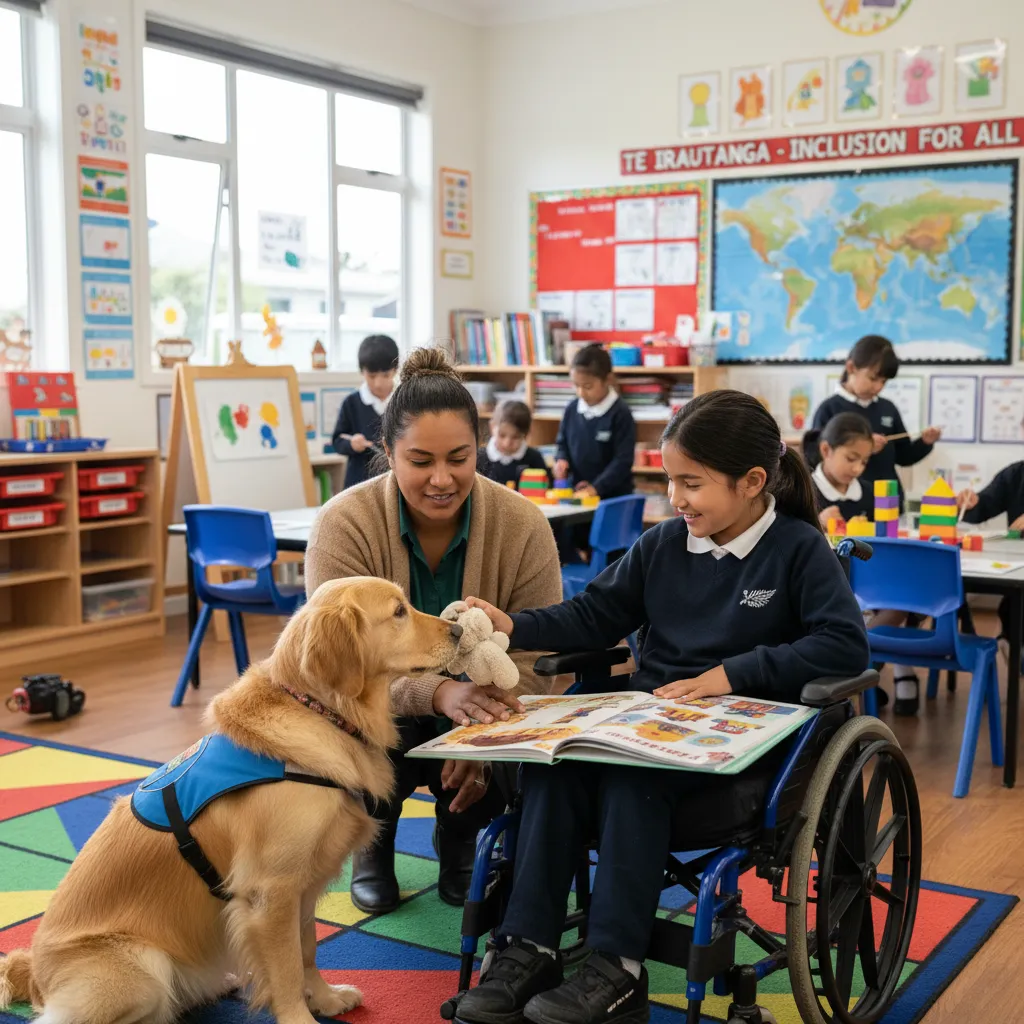
Utilizing the Special Education Grant (SEG)
Every school receives a Special Education Grant (SEG) to support students with moderate special education needs. This fund is discretionary and managed by the school.
How to apply it: You can justify using SEG funds for a Learning Support Dog if you can prove the dog supports a cohort of students with moderate needs (e.g., ADHD, Autism Spectrum Disorder, anxiety). The expenditure must be tagged to:
- Resource acquisition: Purchasing the dog (if the school owns it) or equipment (crates, vests).
- Intervention delivery: Costs associated with the dog’s presence during specific learning support sessions.
Interim Response Fund (IRF) and Urgent Response Fund (URF)
These funds are designed to keep students engaged in learning during times of crisis or intense behavioral challenges. If a school has a high number of students requiring behavioral intervention, and a therapy dog is part of a de-escalation strategy, applications can be made to regional Ministry offices.
Note: These funds are usually temporary. They are excellent for covering initial setup costs (like training for a handler to manage a dog for a specific high-needs student) but should not be relied upon for food or vet bills.
Learning Support Coordinators (LSC)
For schools with access to a Learning Support Coordinator, these roles are pivotal. LSCs do not hold a budget themselves, but they influence how the SENCO and Principal allocate resources. An LSC can write the proposal connecting the dog’s function to the Learning Support Delivery Model, making it easier to justify spending from the general operating budget.
Community Fundraising & Grants in February
February is the ideal time to launch community fundraising initiatives. The school community is re-engaged, and the weather permits outdoor events. Furthermore, external grant providers often have their first funding rounds of the year closing in March, making Term 1 preparation essential.
Gaming Trusts and Charity Grants
In New Zealand, a significant portion of community funding comes from gaming trusts (e.g., The Lion Foundation, Pub Charity, NZ Community Trust). These organizations fund “hard” costs rather than wages.
What to apply for:
- The Dog: If purchasing a trained dog from a reputable provider (e.g., Assistance Dogs NZ or similar private trainers), the capital cost (often $3,000 – $10,000) fits the criteria for these grants.
- Equipment: Crates, grooming stations, and outdoor runs.
Strategy: When applying, emphasize the community benefit. Explain that the dog serves hundreds of local children, improving the overall educational standard of the district.

Local Sponsorship: The “Adopt-a-Cost” Model
To relieve the pressure on the school budget, break down the dog’s running costs and offer them as sponsorship packages to local businesses. This works particularly well in Term 1 when businesses are setting their marketing budgets.
- Veterinary Sponsor: Approach a local vet clinic to provide pro-bono checks and vaccinations in exchange for signage at the school gate and mentions in the newsletter.
- Food Sponsor: Local pet stores or supermarkets may sponsor the monthly food bill.
- Insurance Sponsor: A local insurance broker might cover the pet insurance premium.
Long-term Financial Sustainability for School Programs
Securing the initial funding is only half the battle. A common failure point for school dog programs is the inability to sustain the ongoing costs after the initial excitement (and funding) fades. Financial sustainability requires a multi-year budget projection.
Forecasting the “Hidden” Costs
When building your business case for the Board, you must include a realistic forecast of ongoing expenses. A typical annual budget for a working school dog in NZ includes:
- Insurance: $600 – $1,200 per year (Comprehensive pet insurance is mandatory for liability reasons).
- Food & Treats: $1,500 – $2,000 per year.
- Vet Care: $500 – $1,000 (Routine checks, flea/worm treatments).
- Annual Certification/Assessment: $300 – $800 (External assessment to ensure the dog remains safe to work with children).
Creating a Dedicated “Dog Fund”
To ensure sustainability, schools should establish a tagged line item in the accounts specifically for the dog. Any fundraising revenue raised specifically for the dog (e.g., a “Mufti Day for the Dog”) should be ring-fenced in this account, rather than absorbed into the general fund. This builds a buffer for emergency vet bills or unexpected retirement costs.

Succession Planning and Asset Management
From a financial perspective, if the school pays for the dog, the dog is a school asset. However, the dog usually lives with a staff member. A clear contract must be drawn up regarding ownership.
The Buy-Out Clause: If the handler leaves the school, what happens to the dog? Financial sustainability plans should include a “buy-out” clause where the staff member can purchase the dog from the school at a depreciated value, or the school retains the dog (though this is logistically difficult). Agreeing on these financial terms before Term 1 spending begins prevents legal and financial disputes later.
People Also Ask
How much does a therapy dog cost for a school in NZ?
The cost varies significantly. Purchasing a fully trained assistance dog can cost between $20,000 and $40,000. However, most NZ schools opt for an “owner-trained” model where a staff member’s puppy is trained specifically for the role, costing approximately $3,000 to $5,000 in training fees and initial setup, plus annual running costs of around $2,500.
Can we use SEG funding for a school dog?
Yes, schools can use the Special Education Grant (SEG) for a school dog if they can demonstrate that the dog is a resource used to support students with moderate special educational needs. It must be documented in the school’s annual plan and budget as a learning support intervention.
Do therapy dogs need certification in NZ schools?
There is no single government-mandated certification for school dogs in New Zealand, but operating without one is a massive liability risk. Schools should use reputable organizations like Therapy Dogs New Zealand or Canine Friends Pet Therapy for assessment and certification to satisfy Health & Safety and insurance requirements.
What grants are available for school dogs in NZ?
Schools frequently access funding through community gaming trusts such as The Lion Foundation, Pub Charity, and the NZ Community Trust. Additionally, local community boards and Rotary clubs often provide smaller grants for specific equipment or training costs associated with the program.
Who pays for the dog’s vet bills?
This depends on the ownership model. If the school owns the dog, the school pays. If the teacher owns the dog and brings it to school, the school often subsidizes the costs (e.g., paying for insurance and work-related vet visits) while the owner pays for routine care. This must be clearly defined in a Memorandum of Understanding (MOU).
Is a learning support dog tax-deductible for schools?
Schools in NZ are generally non-profit or government entities and do not pay income tax, so “deductibility” isn’t relevant in the corporate sense. However, for GST purposes, costs associated with the dog can be claimed back if the dog is a recognized school resource and the school is GST registered.