Crisis support dogs in New Zealand are specially trained canines deployed to schools and communities following traumatic events or critical incidents. Unlike standard therapy dogs, these animals undergo rigorous trauma-informed training to provide immediate physiological regulation and emotional grounding to victims, working alongside counsellors and emergency services to stabilize high-stress environments.
What are Crisis Support Dogs in the NZ Context?
In the landscape of New Zealand’s educational and mental health sectors, the distinction between a visiting therapy dog and a designated crisis support dog is critical. While a therapy dog may visit a rest home or a library to provide general comfort, a crisis support dog (CSD) is a working professional asset deployed specifically to mitigate the acute effects of psychological trauma.
These canines are increasingly becoming a staple in New Zealand’s emergency response ecosystem. They are utilized not just for ongoing wellbeing, but for rapid response following events such as natural disasters, sudden bereavements within a school community, or lockdowns. The primary objective of crisis support dogs nz is to act as a biological bridge, helping students and staff move from a state of hyperarousal (fight or flight) to a state where they can verbally engage with human professionals.

The Role of Dogs in Post-Incident Support
When a critical incident occurs in a school setting, the immediate psychological fallout can be chaotic. The cognitive processing of students and staff is often impaired due to the flood of cortisol and adrenaline. Here, the role of the canine is scientifically grounded in the concept of co-regulation.
Biological Mechanisms of Canine Comfort
Interaction with a crisis response dog triggers the release of oxytocin—often called the ‘bonding hormone’—in both the human and the animal. This biochemical reaction lowers blood pressure and heart rate almost immediately. For a student in shock, who may be non-verbal or catatonic following an incident, the tactile stimulation of stroking a dog provides a grounding anchor in the present moment.
This “grounding” is essential for school counsellors. A student who is hyperventilating or dissociating cannot effectively process instructions or counselling. The dog serves as a physiological interrupter to the panic cycle, allowing the professional to step in once the student’s baseline anxiety has reduced.
Facilitating Communication in Group Settings
In the aftermath of a school-wide tragedy, group debriefing sessions are common. However, silence and reluctance to share are significant barriers. A crisis dog moving through a circle of students acts as a social lubricant. The shared focus on the animal reduces the intensity of direct eye contact between students and adults, making the environment feel less clinical and safer. By externalizing their focus onto the dog, students often find the courage to articulate their internal grief.
Training for Trauma-Informed Canine Intervention
To operate effectively in the volatile environment of a school crisis, a dog requires training that far exceeds standard obedience or Canine Good Citizen certification. The niche of Therapy Dogs NZ Business & Logistics focuses heavily on the liability and capability of these animals.
Desensitization to High-Stress Stimuli
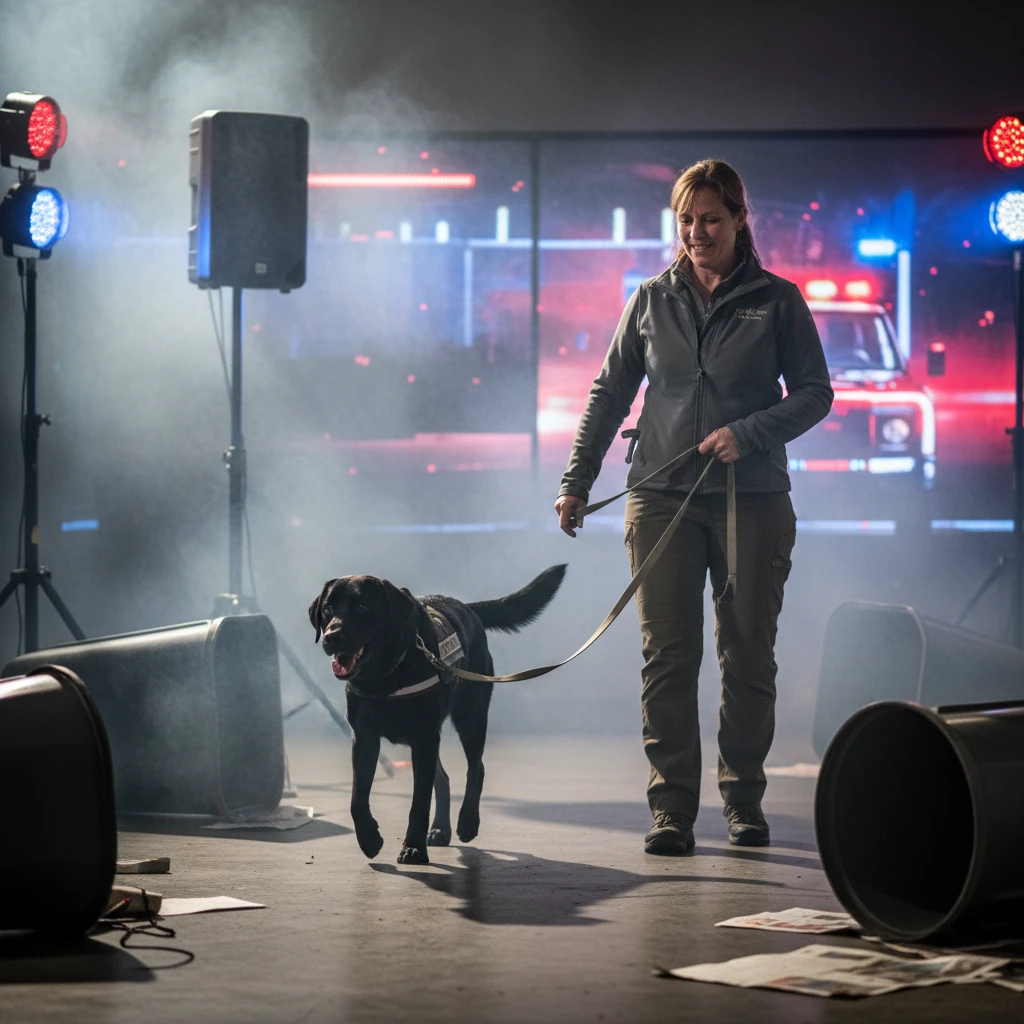
Crisis environments are loud, crowded, and emotionally charged. A crisis support dog must be “bombproof.” Training involves systematic desensitization to:
- Auditory Triggers: Fire alarms, screaming, sirens, and amplified announcements.
- Olfactory Triggers: The scent of smoke, medical antiseptics, or high levels of human pheromones associated with fear.
- Kinetic Triggers: Sudden movements, crowding, and erratic behavior from children in distress.
Handler Training: The Human Element
The dog is only as effective as the handler. In a crisis intervention model, the handler must be trained in Psychological First Aid (PFA). They need to understand the protocols of the school and the boundaries of their role. The handler must recognize canine stress signals immediately. A dog absorbing the trauma of a room full of grieving students can reach burnout quickly. Handlers are trained to enforce strictly timed rotation schedules—typically 20 to 30 minutes of work followed by rest—to preserve the animal’s welfare.
Collaborating with NZ Police and Victim Support
Effective crisis response in New Zealand requires a multi-agency approach. Crisis support dogs are rarely deployed in isolation; they are part of a broader matrix involving NZ Police, Civil Defence, and Victim Support.
Integration with Emergency Services
When a school goes into lockdown or faces a criminal threat, the site becomes a crime scene or a controlled zone. Crisis support dog handlers must have pre-existing clearance and understanding of police cordons. Collaboration protocols often involve:
- Staging Areas: Dogs are often kept in a designated “green zone” away from the immediate “red zone” of danger until the site is secured by NZ Police.
- Witness Interviews: Specially trained dogs are increasingly used to sit with children during forensic interviews. The dog’s presence can help a child recall traumatic details more accurately by keeping their anxiety levels manageable.

Referrals from Victim Support
Victim Support NZ often acts as the bridge between the community and resources. Schools looking to integrate crisis dogs should establish a Memorandum of Understanding (MOU) with local support agencies. This ensures that when a deployment is requested, the lines of communication regarding the severity of the incident and the specific needs of the students are clear.
Deployment Protocols for School Counsellors
For school counsellors and principals, having a logistical plan for deployment is as important as the intervention itself. Ad-hoc introduction of animals during a crisis can cause confusion or allergic risks if not managed via strict protocol.
The Call-Out Procedure
A robust deployment protocol typically follows these steps:
- Incident Assessment: The Principal or Lead Counsellor determines the Tier level of the crisis. Tier 1 (individual student) may require a school-based dog. Tier 3 (school-wide tragedy) triggers a call-out for external crisis response teams.
- Risk Assessment: Before the dog enters, the site is swept for physical dangers (glass, chemicals). Student health records are briefly reviewed for severe allergies or cynophobia (fear of dogs).
- Briefing: The handler is briefed on specific students of concern and the narrative of the event to avoid re-triggering trauma through conversation.
Managing the Environment
Crisis dogs should not be allowed to roam freely during an incident. They require a “Safe Station”—usually a library corner or a counsellor’s office. Students are brought to the dog, or the dog visits classrooms on a leash under strict supervision. This controls the energy level and prevents the dog from being overwhelmed by a mob of students.

Business Logistics: Funding and Insurance
For organizations providing crisis support dogs nz services, or schools looking to acquire one, the business logistics are substantial. This is not a volunteer hobby; it is a professional service requiring funding structure.
Insurance and Liability
Public Liability Insurance is non-negotiable. It must specifically cover “Animal Assisted Intervention.” Standard business policies often exclude animal acts. Schools must verify that external providers hold at least $2M to $5M in liability coverage. Furthermore, the dog’s health insurance must be comprehensive to cover injuries sustained during a deployment (e.g., ingesting foreign objects or physical injury).
Funding Models
Schools often struggle with budget constraints. Successful models in NZ include:
- Board of Trustees Funding: Allocating budget from the “Health and Safety” or “Wellbeing” lines.
- Community Grants: Applying for grants from organizations like the Lion Foundation or local community trusts, specifically framed around mental health support.
- Sponsorship: Local veterinary clinics or pet food brands sponsoring the “working costs” of the school dog in exchange for community recognition.
People Also Ask
What is the difference between a therapy dog and a crisis dog?
A therapy dog provides general comfort and affection in stable environments like nursing homes or schools. A crisis dog is specially trained to work in chaotic, high-stress environments immediately following traumatic events, possessing higher desensitization to noise and emotion.
How much does it cost to implement a crisis dog program in NZ?
The cost varies. Training a dog from puppyhood to certification can cost between $3,000 and $10,000 NZD. Annual maintenance (vet, food, insurance) averages $2,500. External deployment fees for crisis teams vary by agency.
Are crisis support dogs allowed in all NZ schools?
There is no blanket law permitting dogs; it is at the discretion of the School Board of Trustees. However, under the Education and Training Act, schools must provide a safe environment, and many Boards approve dogs as a wellbeing measure.
What qualifications do crisis dog handlers need?
Handlers should have certification in Pet Therapy or Animal Assisted Intervention. For crisis work, certifications in Psychological First Aid and Mental Health First Aid are strongly recommended.
How do schools handle students with dog allergies?
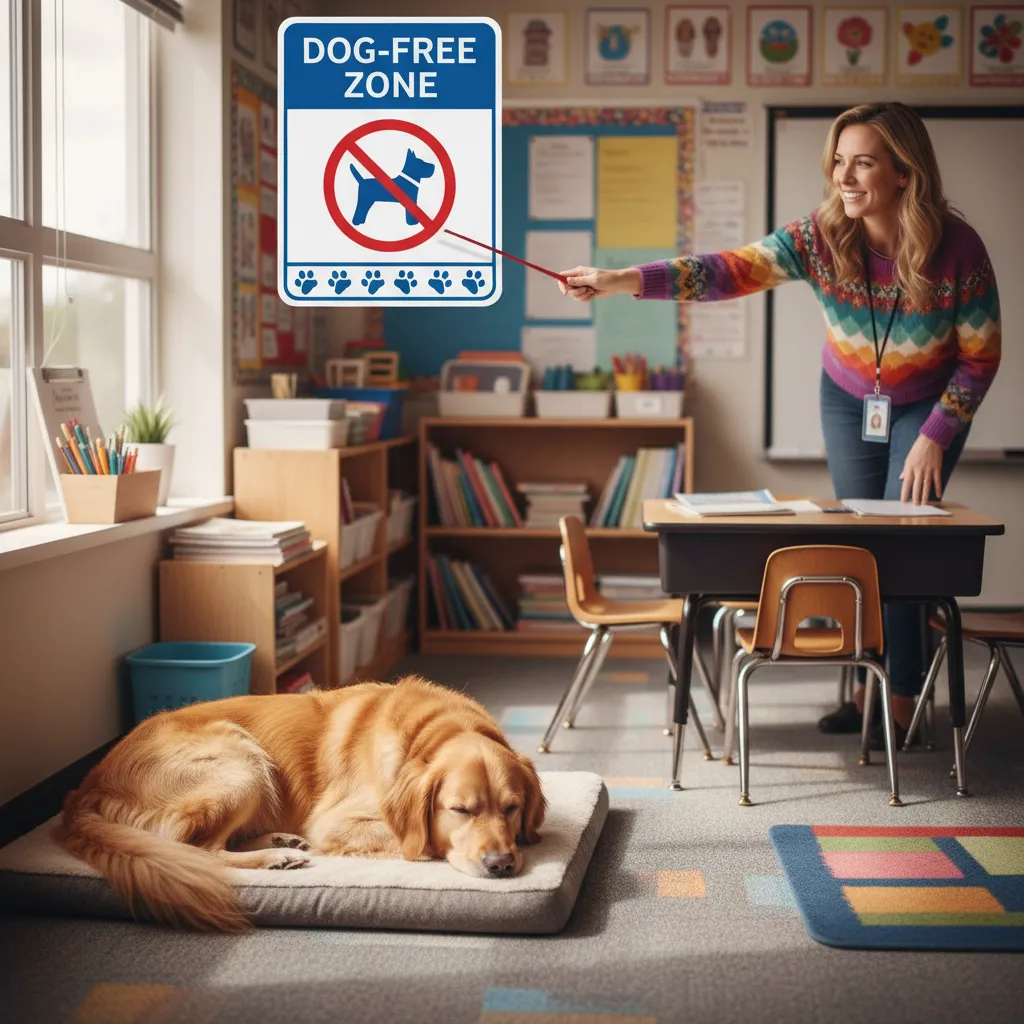
Protocols involve creating “dog-free zones,” ensuring high-grade HEPA filtration in rooms the dog visits, and maintaining strict grooming schedules to minimize dander. Interactions are voluntary and consent-based.
Can a teacher bring their own dog to school for crisis support?
Generally, no. A personal pet without specific crisis intervention certification and insurance poses a significant liability risk. Professional assessment and temperament testing are required before any animal is deployed for support duties.