Therapy dogs for autism in NZ schools function as bio-feedback mechanisms that facilitate sensory integration, providing deep pressure therapy and emotional co-regulation for neurodivergent students. By integrating canine-assisted interventions into the curriculum, educators can create inclusive learning environments that significantly reduce anxiety, mitigate sensory overload, and improve social engagement for children with sensory processing challenges.
The Role of Animal-Assisted Therapy in NZ Special Education
In the landscape of New Zealand’s special education sector, the inclusion of therapy dogs is moving from a novelty to a recognized therapeutic intervention. For students on the autism spectrum, the classroom environment can often be a source of intense sensory dysregulation. Animal-Assisted Therapy (AAT) bridges the gap between the student’s internal world and the external learning environment.
Therapy dogs for autism in NZ schools are distinct from emotional support animals; they are trained professionals that work alongside handlers—often SENCOs (Special Educational Needs Coordinators) or external specialists—to achieve specific educational and therapeutic goals. The primary function of these dogs is to act as a “social lubricant” and a non-judgmental presence.

Neurobiology of the Human-Animal Bond
The efficacy of AAT is rooted in neurobiology. Interaction with a friendly therapy dog stimulates the release of oxytocin (the bonding hormone) while simultaneously lowering cortisol levels (the stress hormone). For a neurodivergent student in a state of ‘fight, flight, or freeze,’ a therapy dog offers a biological reset button. This physiological change is the precursor to learning; a student cannot engage with the NZ Curriculum if they are in a state of high anxiety.
Breaking Barriers to Communication
Many students with autism struggle with non-verbal cues and social reciprocity. A dog’s body language is often easier to interpret than human social cues. The dog does not require eye contact, does not judge speech impediments, and offers unconditional regard. This creates a safe testing ground for students to practice communication skills before transferring them to human interactions.
Deep Pressure Therapy and Sensory Regulation
One of the most profound applications of therapy dogs for autism in NZ schools is the utilization of Deep Pressure Therapy (DPT). Sensory integration dysfunction is a common comorbidity with ASD, where students may be either hyposensitive (seeking sensation) or hypersensitive (avoiding sensation) to environmental stimuli.
How DPT Works in a Classroom Setting
Deep Pressure Therapy involves the application of firm but gentle weight across the body. When a medium-to-large breed therapy dog rests its head or body on a student’s lap or feet, it stimulates the proprioceptive system. This input increases the activity of the parasympathetic nervous system, slowing the heart rate and inducing a sense of calm.
In a practical NZ school setting, this might look like:
- Transition Support: A student transitioning from a high-energy activity (like PE) to a seated activity (like maths) may sit with the dog for 5 minutes to regulate their energy levels.
- Meltdown Mitigation: During early signs of sensory overload, the dog can provide DPT to ground the student, preventing a full behavioral escalation.
- Tactile Stimulation: Stroking the dog’s fur provides rhythmic, tactile input which can be incredibly soothing for students who engage in stimming behaviors.

Logistics: Implementing Therapy Dogs in NZ Schools
While the emotional benefits are clear, the implementation of therapy dogs for autism in NZ schools requires rigorous adherence to logistics, safety protocols, and the Health and Safety at Work Act 2015. Schools must treat the introduction of a therapy dog with the same level of scrutiny as any other educational resource or external contractor.
Risk Assessment and Management
Before a paw steps onto school grounds, a comprehensive risk assessment must be conducted. This includes:
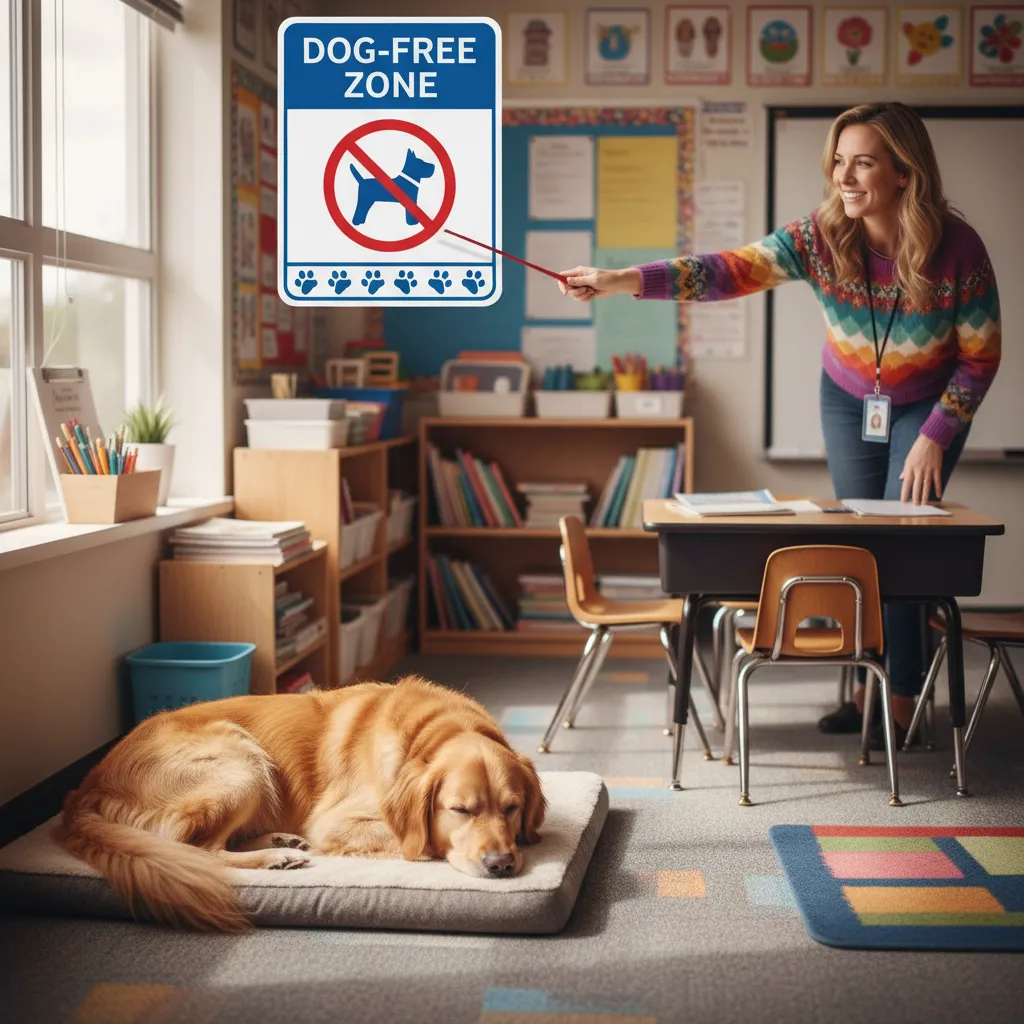
- Allergy Management: Identifying students and staff with dander allergies and establishing “dog-free zones” or rigorous cleaning schedules.
- Phobia Protocols: Not all children like dogs. Protocols must be in place to ensure that interaction is always voluntary and that students with cynophobia (fear of dogs) are not forced into proximity.
- Dog Welfare: The school environment is high-stress for animals too. The handler must ensure the dog has a quiet retreat area, fresh water, and regular breaks. A stressed dog cannot be a therapeutic dog.
Certification and Insurance
In New Zealand, there is no single governing body for therapy dogs, but