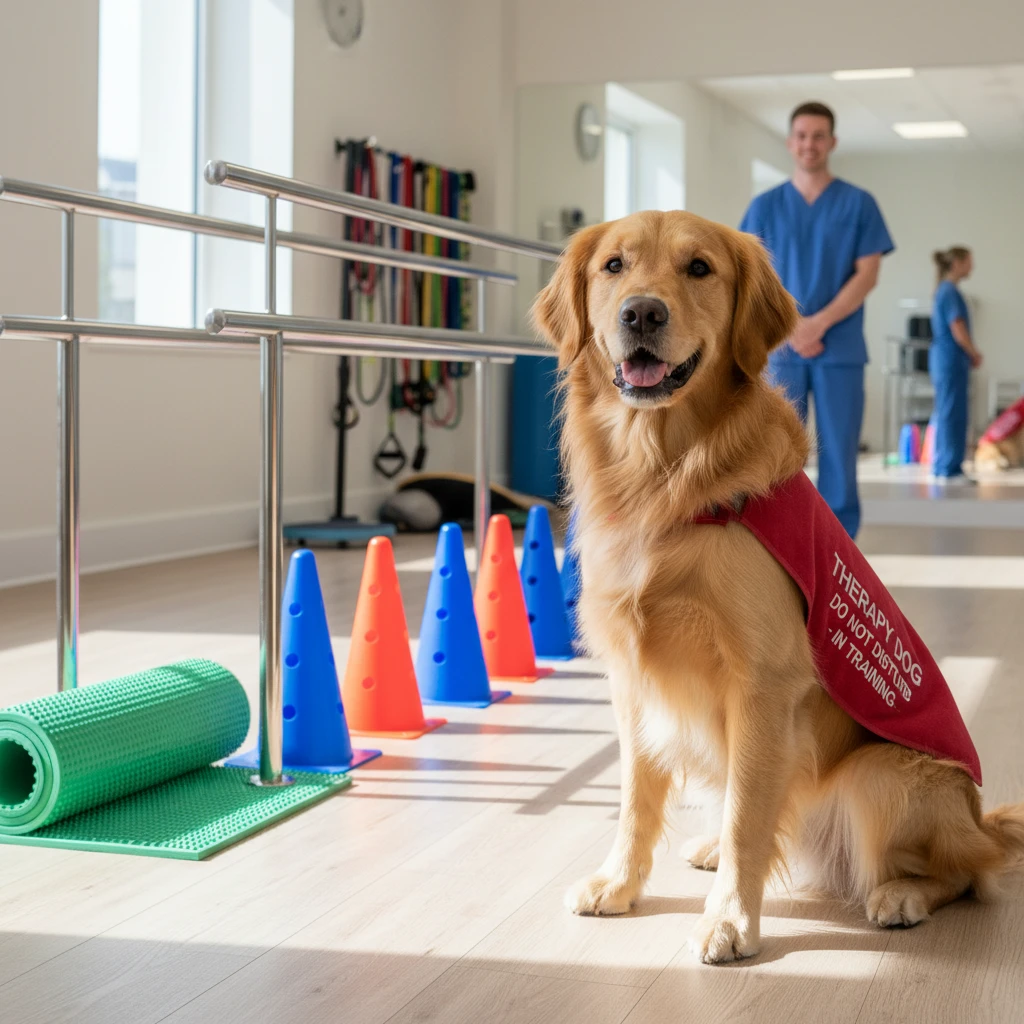
Integrating therapy dogs into healthcare teams is a structured clinical process involving the strategic incorporation of Animal-Assisted Therapy (AAT) into multi-disciplinary treatment plans. It requires establishing rigorous infection control protocols, defining clear referral pathways between physicians and handlers, and ensuring alignment with hospital-wide policies to enhance patient outcomes through safe, goal-oriented human-animal interactions.
Communicating the Value of AAT to Clinical Leads
Successfully integrating therapy dogs into healthcare teams begins with securing buy-in from clinical leadership and hospital administration. This is not merely about the emotional benefits of a “comfort dog”; it is about presenting Animal-Assisted Therapy (AAT) as a viable, evidence-based modality that complements existing medical interventions.
When approaching medical directors or facility managers, the conversation must shift from novelty to utility. Clinical leads are driven by patient outcomes, safety metrics, and cost-efficiency. Therefore, the integration proposal must articulate how therapy dogs can reduce patient anxiety (thereby potentially lowering sedation requirements), improve compliance with rehabilitation regimes, and shorten recovery times.

Presenting the Evidence Base
To integrate therapy dogs effectively, one must speak the language of the healthcare sector. This involves citing peer-reviewed studies demonstrating physiological changes during AAT sessions, such as lowered cortisol levels, reduced blood pressure, and increased oxytocin production. For a business case in the New Zealand market, aligning these benefits with the Ministry of Health’s goals regarding patient-centred care and mental health support is crucial.
Defining Scope of Practice
Clinical leads need assurance that the therapy dog team understands their boundaries. A clear definition of the scope of practice prevents scope creep and ensures safety. This includes specifying that the handler facilitates the interaction while the clinician (nurse, doctor, or therapist) directs the therapeutic goal. By clearly distinguishing between “visitation” (casual interaction) and “therapy” (goal-oriented intervention), you establish professional credibility immediately.
Collaborating with Nurses, Physios, and Doctors
True multi-disciplinary team integration occurs when the therapy dog becomes a functional tool for the clinical staff, rather than a distraction. Each discipline within the healthcare setting interacts with the AAT team differently, requiring tailored approaches to collaboration.
Physiotherapy and Rehabilitation
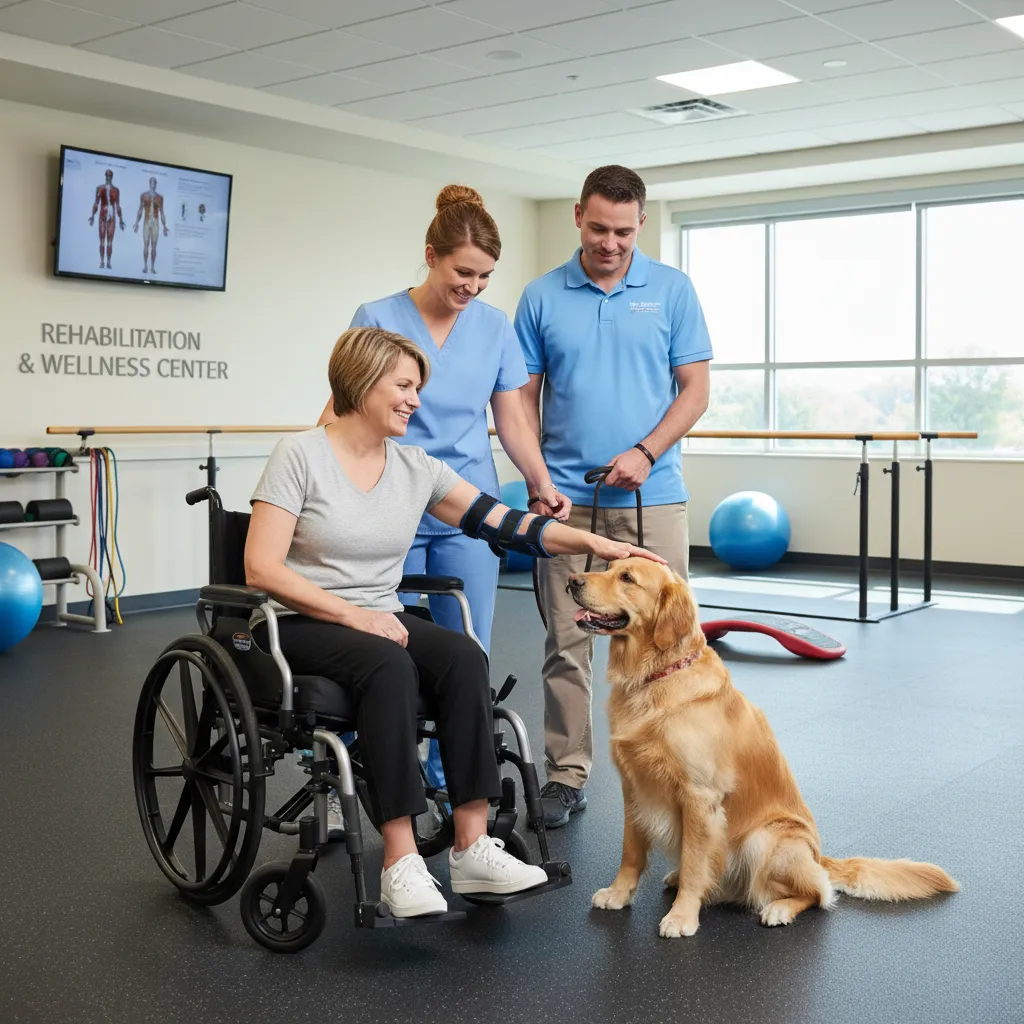
Physiotherapists are often the strongest advocates for integrating therapy dogs into healthcare teams because the application is highly tangible. In a rehab setting, a dog can serve as a powerful extrinsic motivator. For example, a patient recovering from a stroke may find it tedious to perform repetitive arm movements. However, brushing a dog or throwing a ball requires the same range of motion but masks the effort with engagement.
Integration strategies for physios include:
- Co-treatment sessions: The handler commands the dog to heel alongside a patient learning to walk again, encouraging gait speed and balance.
- Fine motor skills: Using buckles on the dog’s vest or grooming tools to improve hand dexterity.
- Scheduling alignment: Ensuring the dog is available during peak therapy hours (usually mid-morning) to maximize utility.
Nursing Staff and Patient Care
Nurses are the gatekeepers of the ward. Their buy-in is critical because they control access to the patient and understand the current medical stability of individuals on the unit. Collaborating with nurses involves respecting their workflow. AAT sessions should never interrupt medication rounds or vital sign checks.
The therapy dog can assist nurses by:
- Distraction Therapy: Sitting with a patient during painful wound dressings or IV insertions to lower anxiety and pain perception.
- De-escalation: Assisting with patients who are agitated or suffering from dementia-related distress, potentially reducing the need for chemical restraints.
- Encouraging Hydration/Nutrition: Some patients may be motivated to eat or drink if the dog is present as a companion.
Medical Doctors and Treatment Plans
For doctors, integration means including AAT in the formal treatment plan. This requires a referral mechanism where a physician can “prescribe” a therapy dog visit for specific indications, such as depressive symptoms, lack of mobilization, or pre-operative anxiety. The feedback loop is essential here; the handler must document the interaction’s outcome so the doctor can see the intervention’s efficacy in the patient’s chart.
Inter-professional Protocols for Dog-Assisted Care
Standardization is the bedrock of safety in healthcare. Integrating therapy dogs into healthcare teams requires robust inter-professional protocols that leave no room for ambiguity regarding hygiene, safety, or procedure.
Infection Control and Hygiene
The primary objection to animals in clinical environments is zoonosis—the transmission of disease between animals and humans. To overcome this, strict protocols must be drafted in collaboration with the hospital’s Infection Prevention and Control (IPC) team.
Essential protocols include:
- The “Paws on Floor” Rule: Generally, dogs should not be on patient beds unless a barrier sheet is used, though many facilities strictly enforce a floor-only policy to minimize allergen transfer.
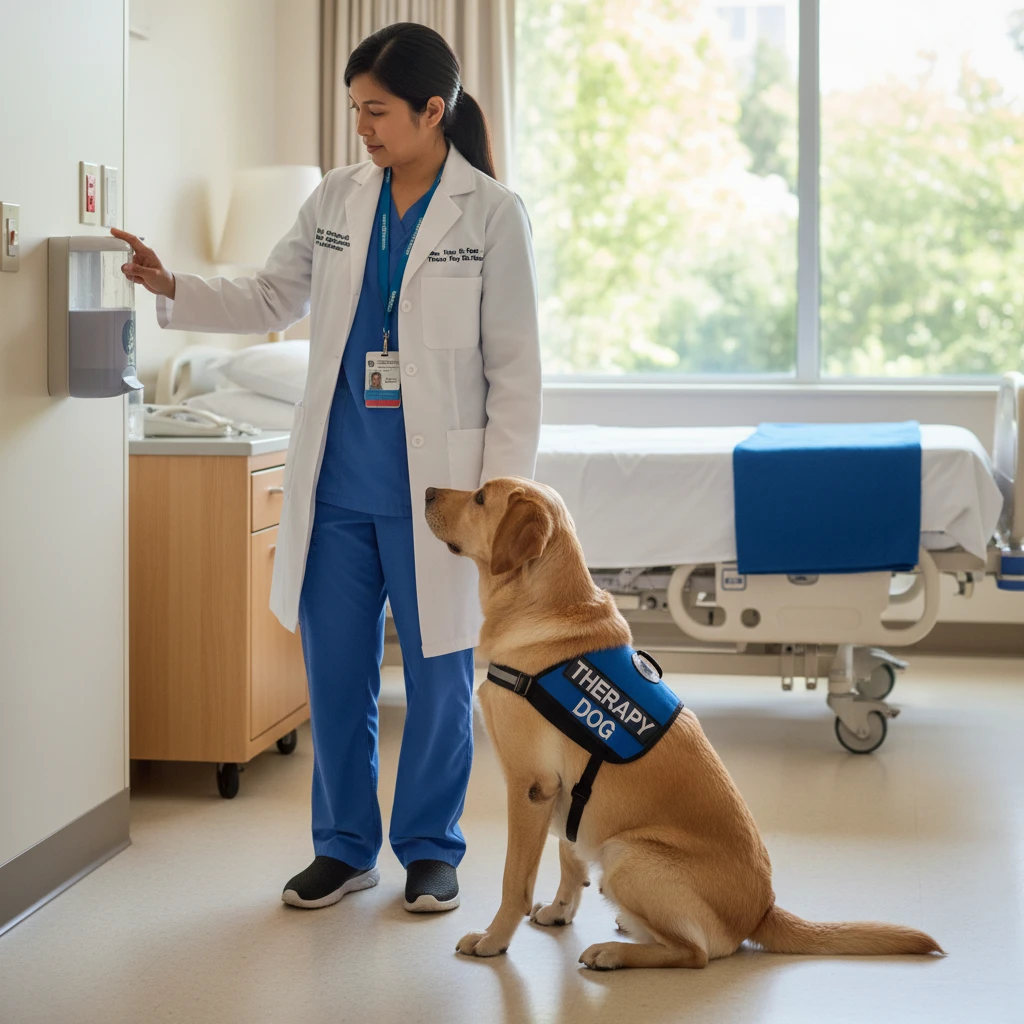
- Hand Hygiene: A strict “sanitize in, sanitize out” policy for anyone touching the dog. The handler must carry hospital-grade sanitizer at all times.
- Grooming Standards: Dogs must be bathed within 24 hours prior to a visit, nails trimmed to prevent scratching, and regularly treated for ectoparasites (fleas/ticks).
- Exclusion Zones: Defining areas where the dog is absolutely prohibited, such as sterile operating theatres, isolation rooms for infectious diseases (e.g., MRSA, C. Diff), and food preparation areas.
The Referral Pathway
A structured referral pathway prevents the “petting zoo” atmosphere and professionalizes the service. The protocol should look like this:
- Assessment: The clinical team identifies a patient who would benefit from AAT and screens them for contraindications (allergies, cynophobia, open wounds, immunosuppression).
- Referral: A formal request is logged in the patient management system or sent to the AAT coordinator.
- Triage: The AAT coordinator or handler assesses the dog’s suitability for the specific patient needs (energy level matching).
- Intervention: The visit takes place with specific goals in mind.
- Documentation: The interaction is recorded.
Navigating Hospital-Wide Animal Policies
Healthcare facilities are highly regulated environments. Integrating therapy dogs into healthcare teams involves navigating a maze of legal and administrative policies. In New Zealand, this also means adhering to the Health and Safety at Work Act, ensuring that the presence of the animal does not constitute a hazard to staff or patients.
Zoning and Access Control
Not all areas of a hospital are suitable for animals. A successful integration plan includes a color-coded zoning map:
- Green Zones: Public lobbies, rehabilitation gyms, administrative offices, and general medical wards (with permission).
- Amber Zones: ICUs, High Dependency Units, and Paediatric wards. Access here is strictly controlled, usually requiring specific medical clearance and a higher level of handler training.
- Red Zones: Burn units, oncology wards (due to immunosuppression risks), isolation rooms, kitchens, and operating theatres.
Staff Welfare and Allergies
Integration affects staff as much as patients. Policies must exist to accommodate staff members who are allergic to or fearful of dogs. This usually involves creating safe routes for the dog to travel that avoid specific workstations or notifying staff in advance of a visit so they can adjust their location if necessary. Paradoxically, staff welfare is often a major selling point; “Code Lavender” or staff wellness visits are increasingly popular to help healthcare workers manage burnout.

Logistics, Documentation, and Liability
For businesses in the Therapy Dogs NZ niche, the logistics of service delivery are just as important as the therapy itself. Professionalism is demonstrated through the paper trail.
Insurance and Liability
Hospitals will not allow third-party providers on-site without comprehensive Public Liability Insurance. This insurance must specifically cover animal-related incidents. The policy should address potential bites (however unlikely), scratches, or property damage. Additionally, the handlers themselves often need to be volunteer-credentialed or contracted vendors, requiring police vetting and health screenings (vaccinations) similar to hospital employees.
Charting and Reporting
To secure long-term funding or contract renewal, you must prove value. This is done through charting. Handlers should be trained on how to provide notes that can be entered into the patient’s electronic health record (EHR). Notes should be objective and observable.
Bad Note: “Patient loved the dog.”
Good Note: “Patient engaged with therapy dog for 15 minutes. Verbalization increased; patient spoke 5 sentences to the handler. Observed decrease in agitation and resting heart rate dropped from 98 to 86 bpm post-interaction.”
Incident Reporting
Even with the best trained dogs, protocols for adverse events must be in place. If a dog growls, snaps, or has a toileting accident, there must be an immediate reporting mechanism. This transparency builds trust. Hiding a minor incident is the fastest way to have a program terminated. A “Dog Incident Report Form” should be part of the standard handler kit.
People Also Ask
What are the requirements for a therapy dog in a hospital?
Therapy dogs in hospitals typically require certification from a recognized organization (like Therapy Dogs New Zealand or St John), passing a rigorous temperament test, being fully vaccinated, and having specific liability insurance. They must be calm, predictable, and desensitized to medical equipment like wheelchairs, IV poles, and loud noises.
How do you introduce a therapy dog to a medical team?
Start with a formal presentation or “in-service” to the staff. Explain the dog’s training, the hygiene protocols, and the referral process. Allow staff to meet the dog in a controlled environment to build comfort and ask questions before patient visits begin.
Can therapy dogs go into the ICU?
Yes, but with strict restrictions. ICU visits usually require advanced handler training, specific medical clearance for the patient, and often additional hygiene measures (like wiping the dog down with veterinary-grade wipes before entry). It is generally reserved for stable patients or end-of-life care.
How do hospitals handle dog allergies?
Hospitals manage allergies by identifying allergic patients upon admission and flagging their charts. Therapy dogs are restricted from entering those specific rooms. High-efficiency particulate air (HEPA) filters and rigorous cleaning schedules in common areas also help mitigate allergen spread.
What is the difference between a therapy dog and a service dog in a hospital?
A service dog is trained to perform specific tasks for a person with a disability and has legal access rights to accompany their handler everywhere. A therapy dog is trained to provide comfort to many people and only has access to the hospital by invitation and permission for specific therapeutic programs.
Who is liable if a therapy dog bites a patient?
Liability generally falls on the therapy dog organization and the handler, which is why specialized Public Liability Insurance is mandatory. However, if the hospital failed to follow safety protocols (e.g., allowing a visit to a patient known to be aggressive), they may share liability.