
Occupational therapy with dogs in NZ, formally known as Animal-Assisted Therapy (AAT), involves the intentional inclusion of trained canines into clinical treatment plans. This evidence-based practice requires New Zealand practitioners to adhere to strict Occupational Therapy Board standards, workplace safety legislation, and specific infection control protocols to achieve functional client goals.
What are the Professional Standards for Occupational Therapy with Dogs in NZ?
Integrating canines into occupational therapy practice in New Zealand is not merely about having a dog present in the clinic; it is a sophisticated clinical modality that demands adherence to rigorous professional standards. The Occupational Therapy Board of New Zealand (OTBNZ) requires that any modality used, including Animal-Assisted Therapy (AAT), must be evidence-based, safe, and within the practitioner’s scope of competence.
Competencies and Scope of Practice
For an occupational therapist to ethically practice AAT, they must demonstrate competence not only in their clinical discipline but also in animal handling and behavior. This dual-competency model is critical. An OT must be able to read subtle canine body language to prevent stress signals from escalating into safety risks. In New Zealand, while there is no single government-mandated “license” for AAT, operating under the OTBNZ Code of Ethics implies that practitioners must undertake specific training. This often involves certification through recognized bodies such as Therapy Dogs New Zealand or similar organizations that assess the dog’s temperament and the handler’s control.
Practitioners must distinguish clearly between Animal-Assisted Activities (AAA)—which are casual meet-and-greets—and Animal-Assisted Therapy (AAT), which is goal-directed and documented. In a clinical setting, every interaction between the client and the dog must map back to a specific occupational goal, whether that is sensory regulation, motor planning, or social engagement.
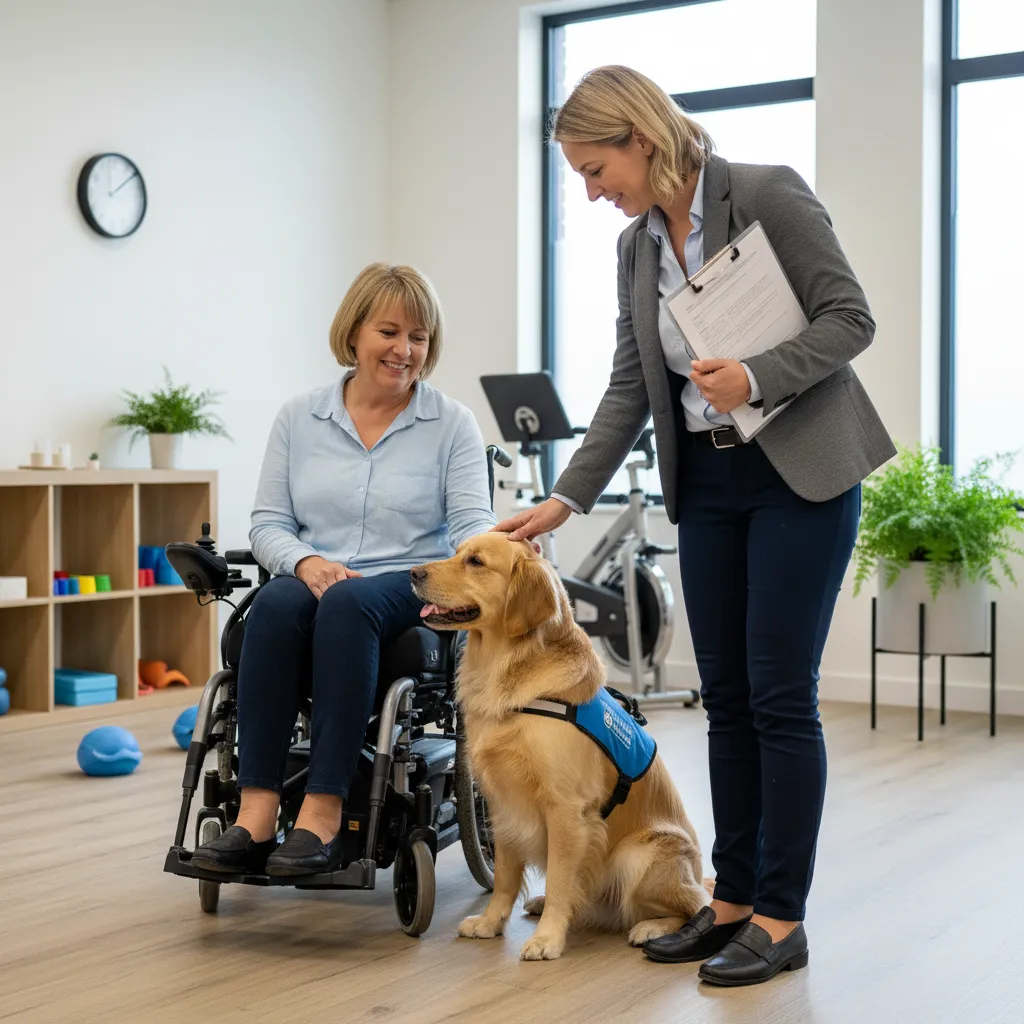
Documentation and Informed Consent
Standard 3 of the OTBNZ competencies relates to safety and risk management. When practicing occupational therapy with dogs in NZ, informed consent takes on a new dimension. Clients (or their guardians) must explicitly consent to the presence of the animal. This documentation should cover:
- Allergy Protocols: How the clinic manages dander and allergens.
- Zoonotic Disease Management: Assurances of the dog’s vaccination and parasite control status.
- Behavioral Protocols: What happens if the dog becomes overwhelmed or if the client exhibits aggression toward the animal.
- Liability Waivers: Specific clauses regarding interaction with the animal, although ACC (Accident Compensation Corporation) covers personal injury in NZ, professional indemnity insurance is still vital for the business entity.
How to Establish Clinical Goals with Therapy Dogs
The efficacy of occupational therapy with dogs lies in the precision of goal setting. The dog is a tool—a bio-feedback mechanism and a motivator—used to bridge the gap between a client’s current ability and their desired functional outcome.
Sensory Modulation and Regulation
For clients with sensory processing disorders, particularly within the pediatric or neurodiverse populations, a therapy dog acts as a powerful co-regulator. Deep pressure therapy (DPT), where a dog rests its head or body on a client, provides proprioceptive input that can lower cortisol levels and increase oxytocin. Clinical goals here might be documented as: “Client will maintain a regulated state for 15 minutes during tabletop activities with the support of canine deep pressure input.”
Fine and Gross Motor Skill Acquisition
In physical rehabilitation, the dog becomes a dynamic motivation for movement. OTs can integrate the dog into exercises that might otherwise be repetitive or tedious.
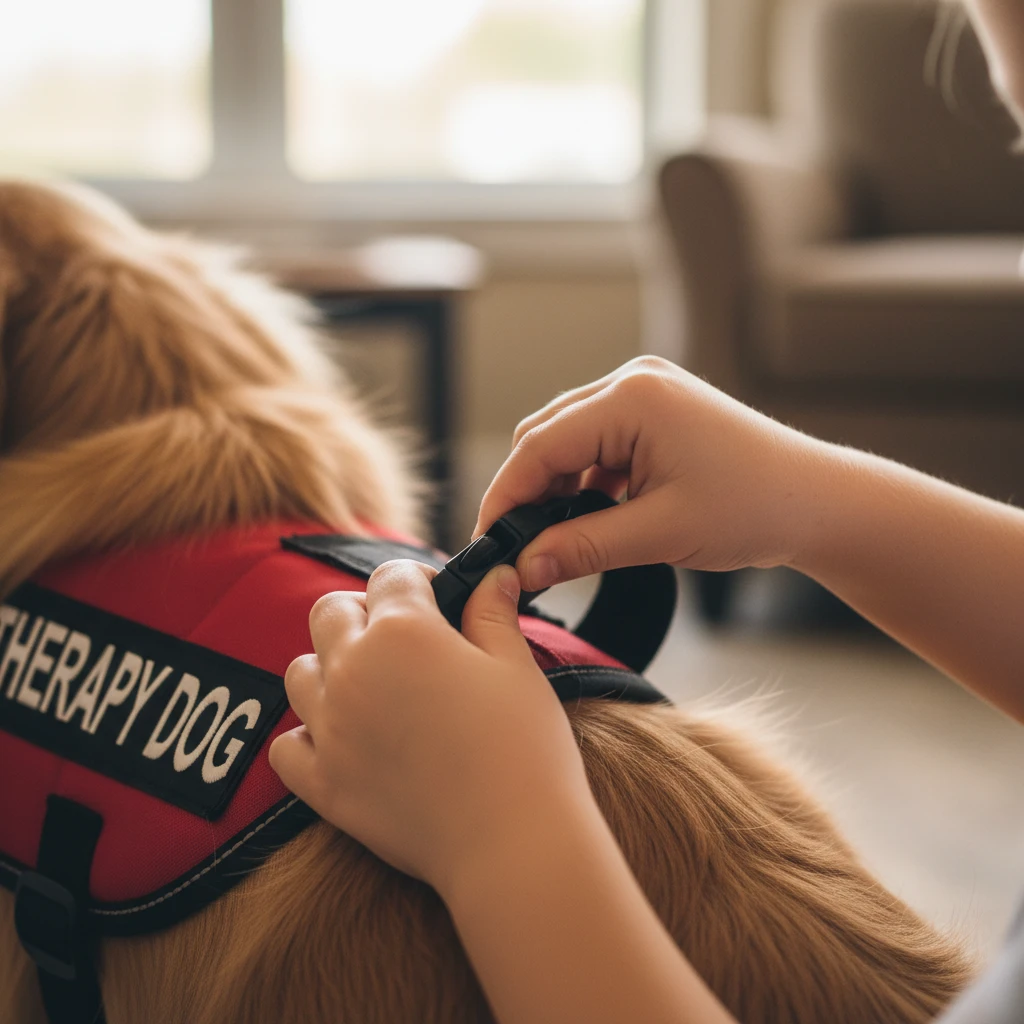
- Fine Motor: Fastening a buckle on a dog’s vest, grooming with a specific brush grip, or manipulating small treats involves pincer grips and hand strength.
- Gross Motor: Throwing a ball requires range of motion and balance; walking a dog on a dual-lead system encourages gait coordination and core stability.
- Sequencing: Giving a multi-step command to a dog (“Sit, stay, then come”) helps clients with executive functioning challenges practice sequencing and vocal projection.
Workplace Health and Safety for Practitioners
Under the Health and Safety at Work Act 2015 (HSWA), New Zealand businesses (PCBUs) must ensure the health and safety of workers and others. Introducing an animal into a workplace creates new hazards that must be identified, assessed, and controlled.
Risk Assessment and Management
A comprehensive risk assessment is non-negotiable. This document must be a living part of the practice’s operations manual. Key hazards include:
- Trips and Falls: Dogs, leashes, and toys are trip hazards. Protocols must dictate where the dog rests when not actively working (e.g., a “place” command on a mat out of the walkway).
- Bites and Scratches: Even the most docile dog can react if in pain or startled. Risk controls include strict supervision, client screening (excluding those with history of animal cruelty or unpredictable violence), and the handler’s ability to recognize “calming signals” in the dog.
- Zoonoses: The transfer of disease from animal to human. Controls involve strict vaccination schedules, regular de-worming, and hand hygiene protocols before and after every interaction.
Infection Control Protocols
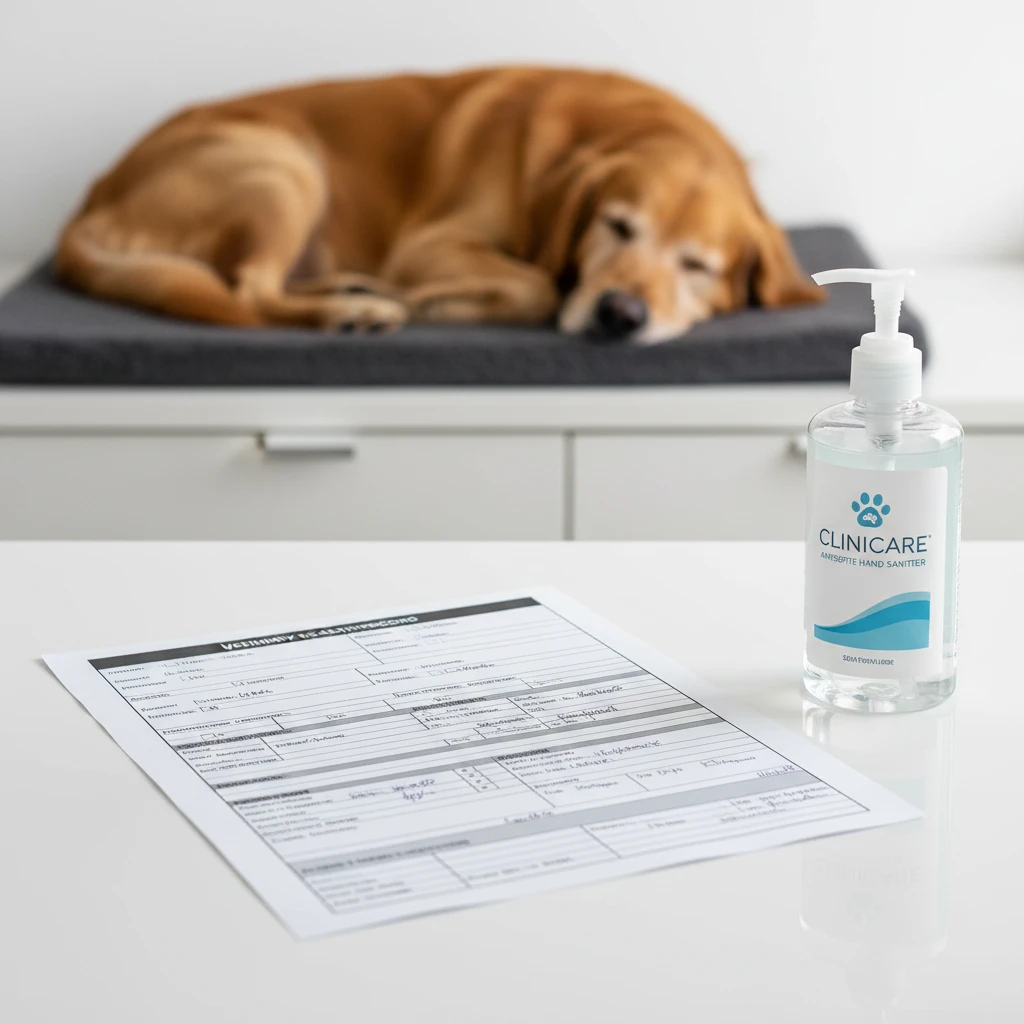
In a clinical environment, hygiene is paramount. OTs must establish a “clean zone” and a “dog zone.” The therapy dog should not enter sterile areas or food preparation zones. Hand sanitizing stations must be accessible at the point of interaction. Furthermore, the dog should be groomed within 24 hours of clinical work to minimize dander and potential allergens. If a dog has an accident (urine/feces/vomit) in the clinic, a specific biological hazard cleanup protocol must be enacted immediately.
Equipment and Logistical Needs for Clinical AAT
Successful integration of occupational therapy with dogs in NZ requires specific logistical planning and equipment investment. It is not enough to bring a pet dog to work; the environment must be engineered for success.
Essential Gear for the Therapy Dog
Professionalism is conveyed through equipment. The dog should wear a clear identifier, such as a vest or bandana, signaling that it is a working dog. This helps other staff and clients respect the dog’s space.
- Dual Leash System: For safety, especially when clients are walking the dog, a dual leash allows the therapist to maintain control while the client holds a secondary lead.
- Mat or Crate: A dedicated “safe zone” where the dog can retreat and is strictly off-limits to clients. This is crucial for the dog’s rest and welfare.
- Cleanup Kit: An easily accessible kit containing enzymatic cleaners, waste bags, and gloves.
- Treat Pouch: For positive reinforcement of the dog’s behavior during sessions.
Insurance and Liability
While ACC covers personal injury, business liability is different. OTs must check with their professional indemnity insurers to ensure AAT is covered. Some policies may require proof of the dog’s certification or specific risk management documentation. If you are renting a clinic space, the landlord must also grant written permission, often requiring a clause regarding property damage caused by the animal.
Canine Welfare: The Five Domains
Ethical practice dictates that the dog is not merely a tool but a sentient co-worker. New Zealand’s animal welfare standards are high, and clinical AAT must adhere to the “Five Domains” model of animal welfare.
Recognizing Stress and Fatigue
Therapy work is mentally exhausting for dogs. They are required to suppress natural impulses (like jumping or sniffing) and absorb intense emotional energy from clients. An ethical OT will strictly limit the dog’s working hours. A common standard is no more than 2-3 contact hours per day, with ample breaks.
Practitioners must be experts in canine body language. Signs of stress such as lip licking, yawning, whale eye (showing the whites of the eyes), or avoidance behaviors indicate the dog needs an immediate break. Ignoring these signs is not only unethical but increases the risk of a bite incident.

People Also Ask
What qualifications do I need for a therapy dog in NZ?
While there is no legal requirement for a specific certification to call a dog a “therapy dog” in NZ, professional ethics and insurance usually require certification from a recognized body like Therapy Dogs New Zealand or St John. This involves passing a temperament assessment and a Public Access Test (PAT).
Can I take my therapy dog into any NZ business?
No. Unlike Disability Assist Dogs, therapy dogs do not have automatic public access rights under the Dog Control Act 1996. Access to businesses, schools, or hospitals is granted solely at the discretion of the facility management.
How does ACC view animal-assisted therapy?
ACC funds treatment based on functional outcomes. If AAT is used as a modality to achieve a covered rehabilitation goal (e.g., improving balance or hand function), it is generally accepted as part of the OT’s clinical toolkit, provided it is documented correctly.
What breeds make the best therapy dogs?
Temperament is more important than breed. However, breeds known for high trainability and low reactivity, such as Golden Retrievers, Labradors, and Poodles (often used for their hypoallergenic coats), are commonly successful in clinical settings.
How much insurance coverage do I need for AAT?
You should maintain your standard professional indemnity and public liability insurance. It is crucial to declare the use of a dog to your insurer; they may require an extension or proof of the dog’s certification to validate the policy.
How often should a therapy dog work?
To prevent burnout, most guidelines suggest a therapy dog should work no more than 2 to 3 days a week, with active client interaction limited to 45-minute sessions followed by rest periods. The dog should always have access to water and a retreat space.