
Finding top rated therapy dog trainers in Auckland requires evaluating organizations that offer rigorous temperament assessment and specialized visiting team accreditation. Key providers include St John Therapy Pets, Canine Friends Pet Therapy, and independent certified behaviorists who adhere to Companion Animals New Zealand (CANZ) standards, ensuring visiting teams are fully insured, vaccinated, and assessed for safety in high-sensitivity environments like rest homes and hospitals.
For facility managers in Auckland, securing a reliable visiting team is not merely about finding a friendly dog; it is about mitigating liability and ensuring therapeutic efficacy. Whether you are a rest home administrator, a school principal, or a corporate wellness officer, understanding the ecosystem of therapy dog training in New Zealand is the first step toward a successful program.
The Landscape of Therapy Dog Training in Auckland
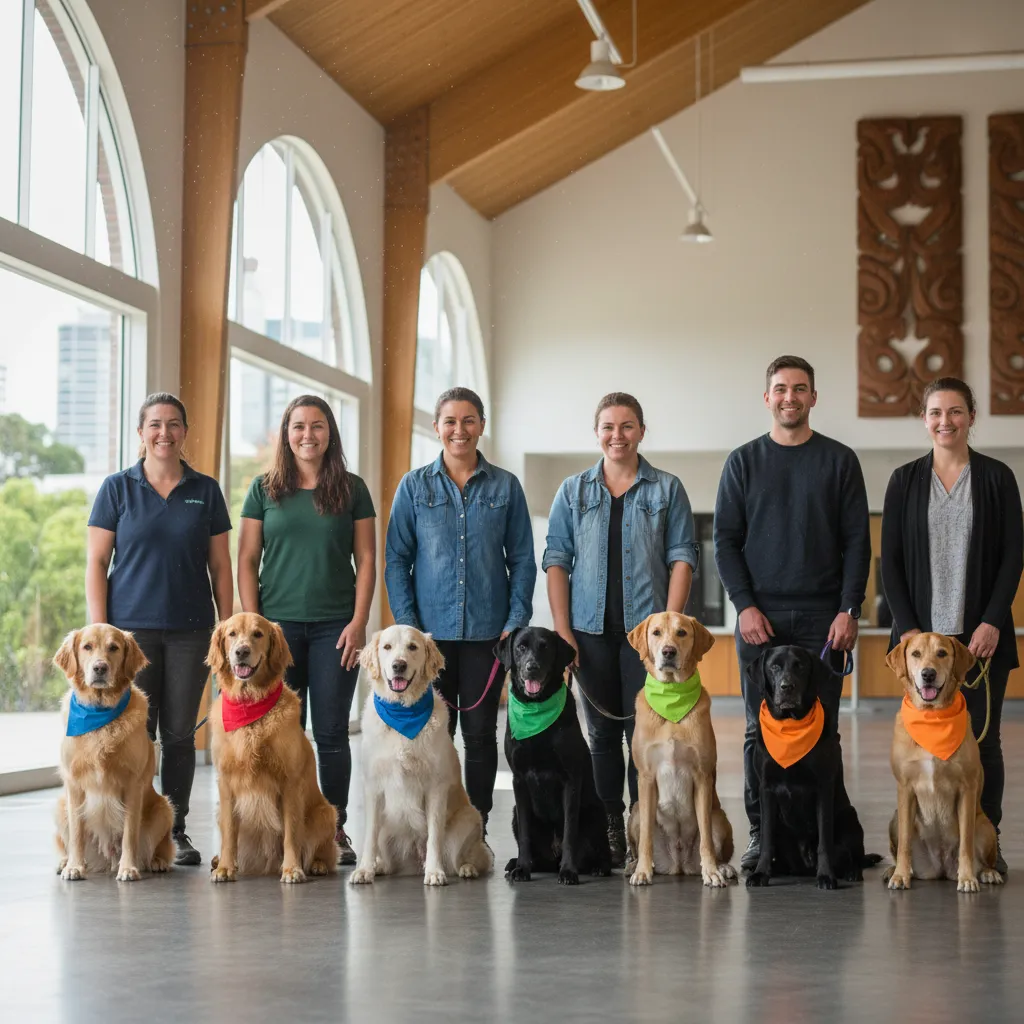
When searching for “top rated therapy dog trainers Auckland,” it is crucial to distinguish between general obedience trainers and specialized therapy dog evaluators. In the New Zealand context, a “visiting team” consists of a handler and a dog who have been jointly certified to enter public or private facilities to provide comfort.
The market in Auckland is split between large, volunteer-based charitable organizations and private professional trainers who offer “Therapy Dog Prep” courses. For a facility manager, the source of the dog’s training often dictates the level of insurance coverage and the reliability of the service.
Why Accreditation Matters for Commercial Entities
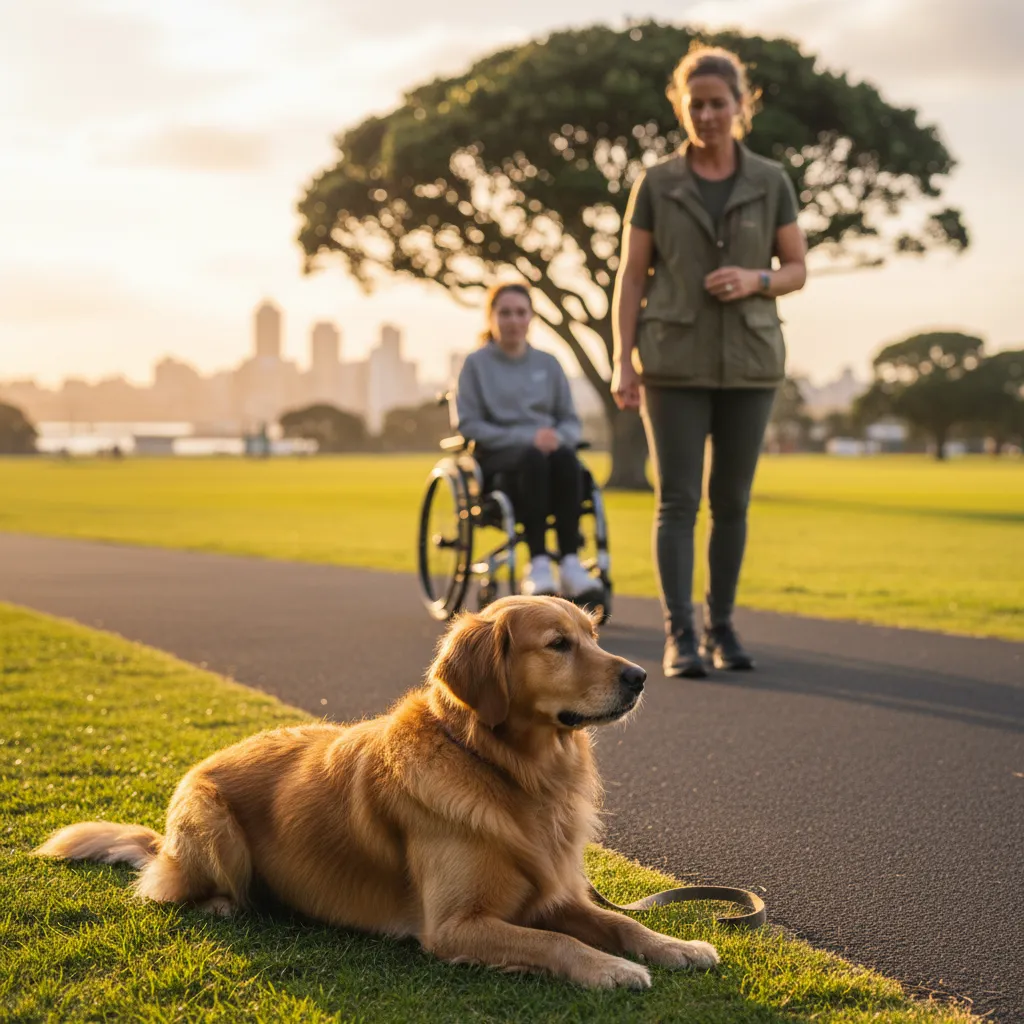
Accreditation is the bridge between a well-behaved pet and a therapeutic asset. Top-rated trainers in Auckland focus on desensitization to medical equipment, sudden noises, and awkward handling—scenarios common in aged care and pediatric wards. Utilizing unaccredited teams exposes your facility to significant Health and Safety risks.
Directory of Accredited Auckland Organizations
To find certified visiting teams, one must look to the organizations that train and accredit them. The following entities represent the gold standard in the Auckland region.
1. St John Therapy Pets
St John is perhaps the most recognizable name in the sector. Their program is rigorous, involving strict vetting of both the handler and the animal.
- Training Focus: Calmness, predictability, and hygiene.
- Deployment: Hospitals, rest homes, and schools.
- Availability: High demand often leads to waiting lists for facilities.
2. Canine Friends Pet Therapy
Operating extensively across New Zealand with a strong Auckland presence, Canine Friends focuses specifically on visiting teams. They do not train dogs from scratch but rather assess and accredit existing owner-dog pairs.
- Assessment: Conducted by regional assessors who look for “biddability” and gentle nature.
- Niche: Heavily focused on hospitals and hospices.
3. Private Top Rated Therapy Dog Trainers
Several private dog training schools in Auckland offer “Therapy Dog Certification” courses. These are often sought by individuals who wish to work independently or professionals (like counselors) who want to incorporate their own dogs into their practice (Animal Assisted Intervention).
When evaluating private trainers, look for those who follow the Companion Animals New Zealand (CANZ) guidelines for accreditation.
Vetting Independent Visiting Teams
If your facility chooses to hire an independent visiting team (one not dispatched by St John or Canine Friends), the burden of vetting falls on your administration. This is a common scenario for private businesses or specialized clinics.
What documentation must a Visiting Team provide?
To ensure you are working with top-rated professionals, require the following dossier before the first visit:
- Certificate of Insurance: Public liability insurance specifically covering animal-related incidents (minimum $1M NZD coverage recommended).
- Veterinary Health Check: Proof of up-to-date vaccinations (Distemper, Hepatitis, Parvovirus, Kennel Cough) and regular parasite control.
- Temperament Assessment Record: Documentation showing the dog has passed a Public Access Test (PAT) or equivalent therapy dog assessment within the last 12-24 months.
- Police Vetting: The human handler must have a clear police vetting result, especially if visiting vulnerable populations (children or the elderly).
Regional Certification Standards & Protocols
Understanding the standards set by top-rated therapy dog trainers in Auckland helps in setting expectations. The certification process is not a one-time event but a commitment to ongoing maintenance of standards.
The Temperament Assessment
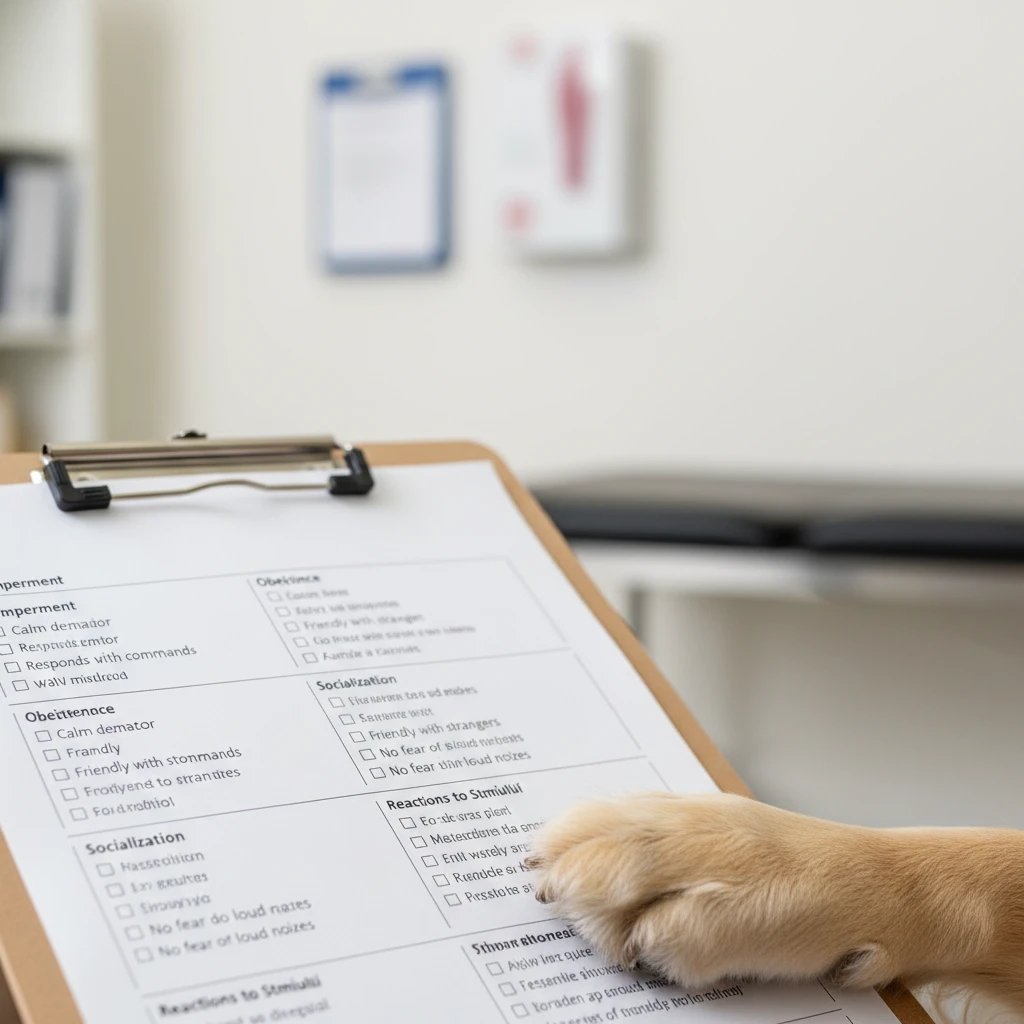
The core of the certification is the temperament test. In Auckland, reputable trainers test for:
- Reaction to Distractions: Dropped metal bowls, crutches, and loud voices.
- Loose Leash Walking: The dog must not pull, regardless of the handler’s pace.
- Accepting a Friendly Stranger: The dog must remain seated and calm while being petted by a stranger, including clumsy petting which simulates limited motor skills in patients.
- Leave It Command: Crucial in medical environments where dropped pills or food could be dangerous.
Booking Protocols for Auckland Facilities
Once you have identified a source for your visiting team, establishing a robust booking protocol is essential for logistics and operations.
Step 1: The Site Assessment
Before a dog enters the premises, a top-rated trainer or the visiting team handler should conduct a site assessment. They will identify:
- Entry and exit points (avoiding high-traffic emergency zones).
- Toileting areas for the dog (away from patient gardens).
- “Safe zones” where the dog can retreat if stressed.
Step 2: The Service Agreement
Never operate on a handshake. A commercial agreement should outline:
- Frequency of Visits: Usually capped at 45-60 minutes to prevent canine fatigue.
- Cancellation Policy: Protocols for infectious outbreaks (e.g., Norovirus or COVID-19 lockdown levels) at the facility.
- Incident Reporting: A clear chain of command for reporting any scratches, nips, or allergic reactions.
Business & Logistics: Managing the Relationship
Successful therapy dog programs in Auckland rely on seamless integration into the facility’s daily rhythm. Top-rated therapy dog trainers emphasize that the handler is just as important as the dog.
Integration with Care Plans
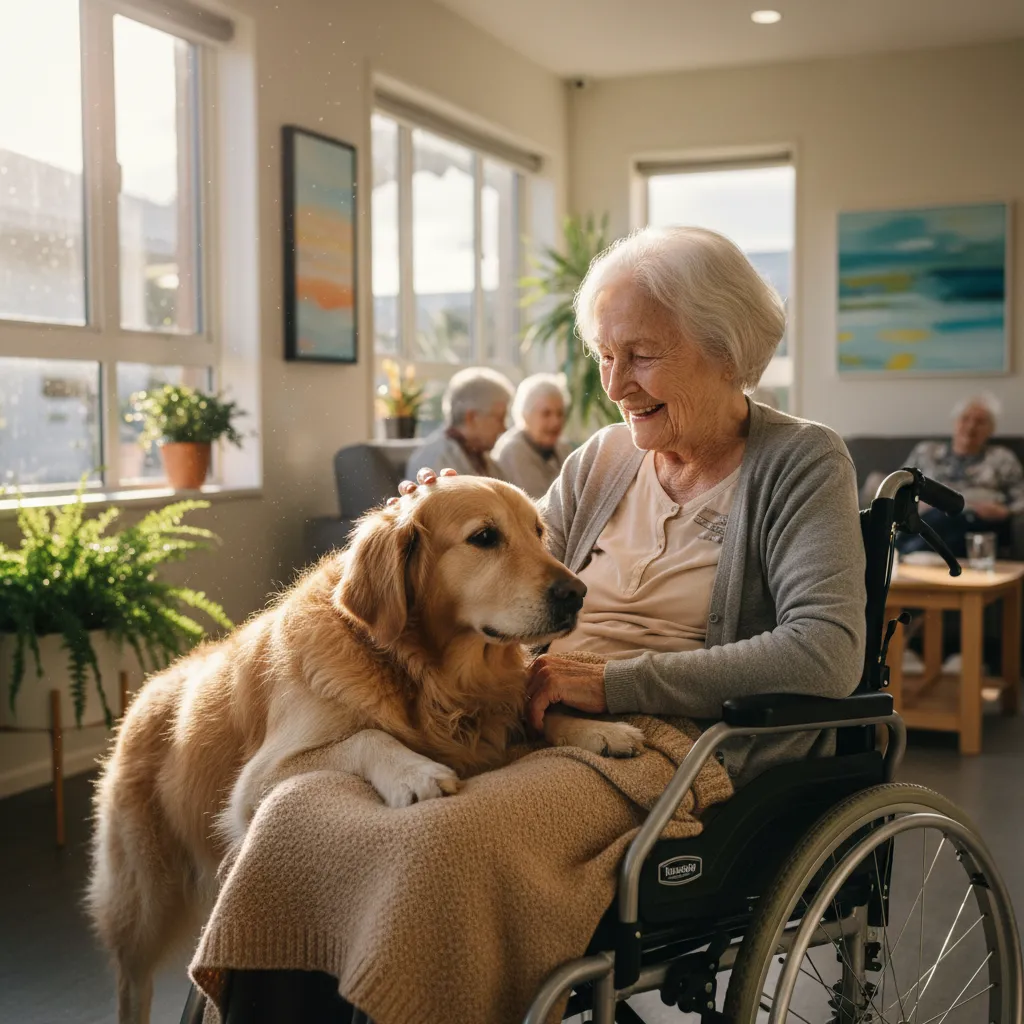
For rest homes and rehabilitation centers, the visiting team’s schedule should align with resident care plans. The most effective programs involve the Activities Coordinator briefing the handler on which residents are receptive and which should be avoided due to allergies or phobias.
Hygiene Protocols
Auckland regulations regarding animals in healthcare environments are strict. Protocols must include:
- Hand Hygiene: Sanitizer must be available before and after every interaction with the dog.
- Grooming Standards: Dogs must be bathed within 24 hours prior to the visit and thoroughly brushed to minimize dander.
- Zone Restrictions: clearly marked areas where dogs are strictly prohibited (kitchens, sterile procedure rooms, isolation wards).
People Also Ask
What is the difference between a service dog and a therapy dog in NZ?
A service dog is trained to perform specific tasks to assist a single person with a disability and has legal public access rights (e.g., entering supermarkets). A therapy dog is trained to provide comfort to many people and does not have automatic public access rights; they are invited into facilities.
How much does it cost to hire a therapy dog team in Auckland?
Costs vary significantly. Volunteer organizations like St John often provide services for a donation or free of charge. Private professional visiting teams or animal-assisted therapists may charge hourly rates ranging from $80 to $200 NZD depending on the specialization.
Can I train my own dog to be a therapy dog in Auckland?
Yes, you can train your own dog, but you must pass an assessment through a recognized organization like Canine Friends Pet Therapy or a top-rated private trainer to become a certified visiting team.
What breeds make the best therapy dogs?
While Golden Retrievers and Labradors are common due to their gentle nature, any breed can be a therapy dog if they possess the right temperament. The key is a dog that is calm, confident, and enjoys human interaction.
How long does therapy dog certification take?
If the dog already has basic obedience, the specific therapy preparation course can take 6-8 weeks. However, the dog must usually be at least 12-18 months old to ensure emotional maturity before certification.
Are therapy dogs allowed in Auckland hospitals?
Yes, but only strictly accredited visiting teams with prior approval. They are restricted to specific wards and must follow rigorous infection control protocols established by the District Health Board (Te Whatu Ora).