
To apply for the St John Therapy Pets program in New Zealand, submit an online expression of interest via the St John website. Applicants must have a dog aged 18 months or older with a calm temperament. The process requires passing a formal behavior assessment, police vetting, and orientation training before community placement.
What is the St John Therapy Pets Program?
The St John Therapy Pets program is one of New Zealand’s most respected community volunteer initiatives, designed to bring comfort, companionship, and joy to individuals in various settings. Formerly known as Outreach Therapy Pets, this program facilitates interaction between volunteer animal handlers and members of the community who may be isolated, ill, or requiring educational support.
Unlike service dogs, which are trained to perform specific tasks for a disabled handler, St John Therapy Pets are companion animals. Their primary function is to provide psychological and physiological benefits through the human-animal bond. Research has consistently shown that interacting with a friendly dog can lower blood pressure, reduce anxiety, and stimulate the release of oxytocin and endorphins.
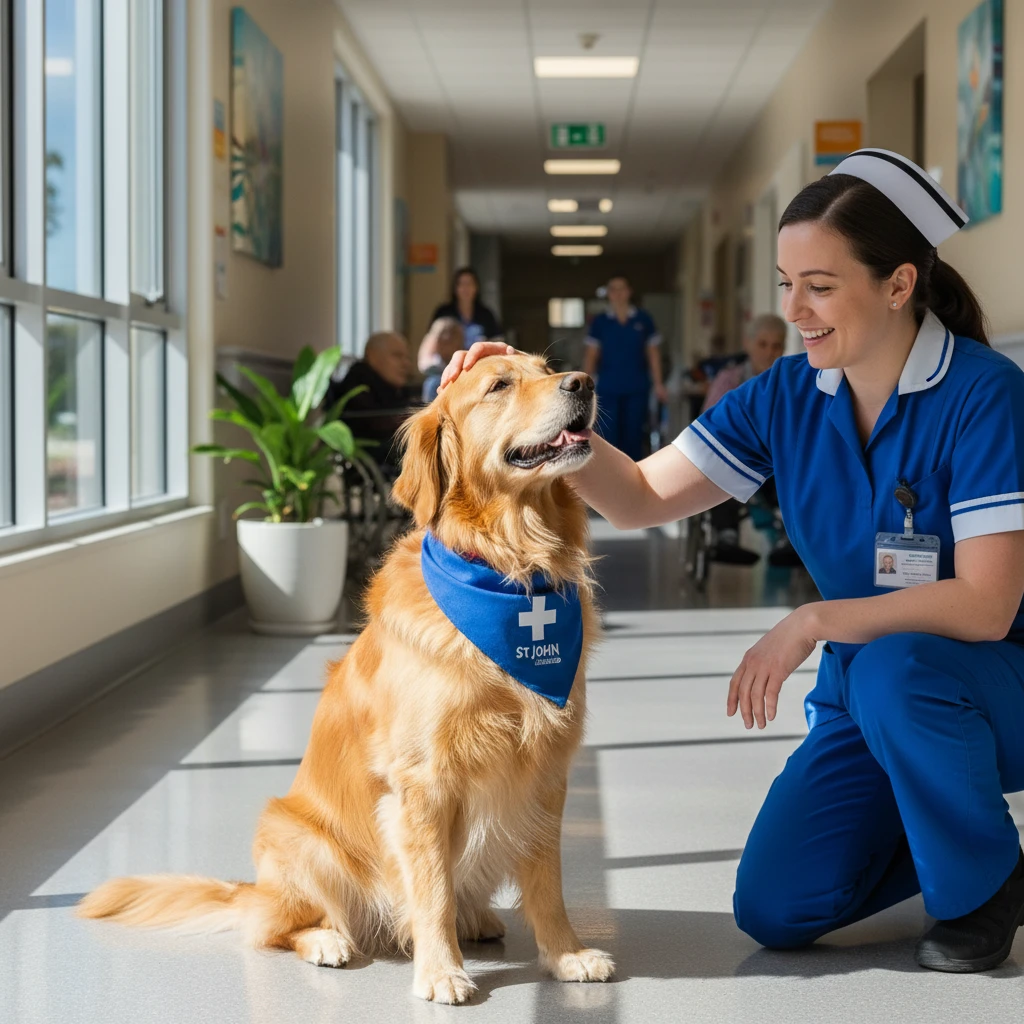
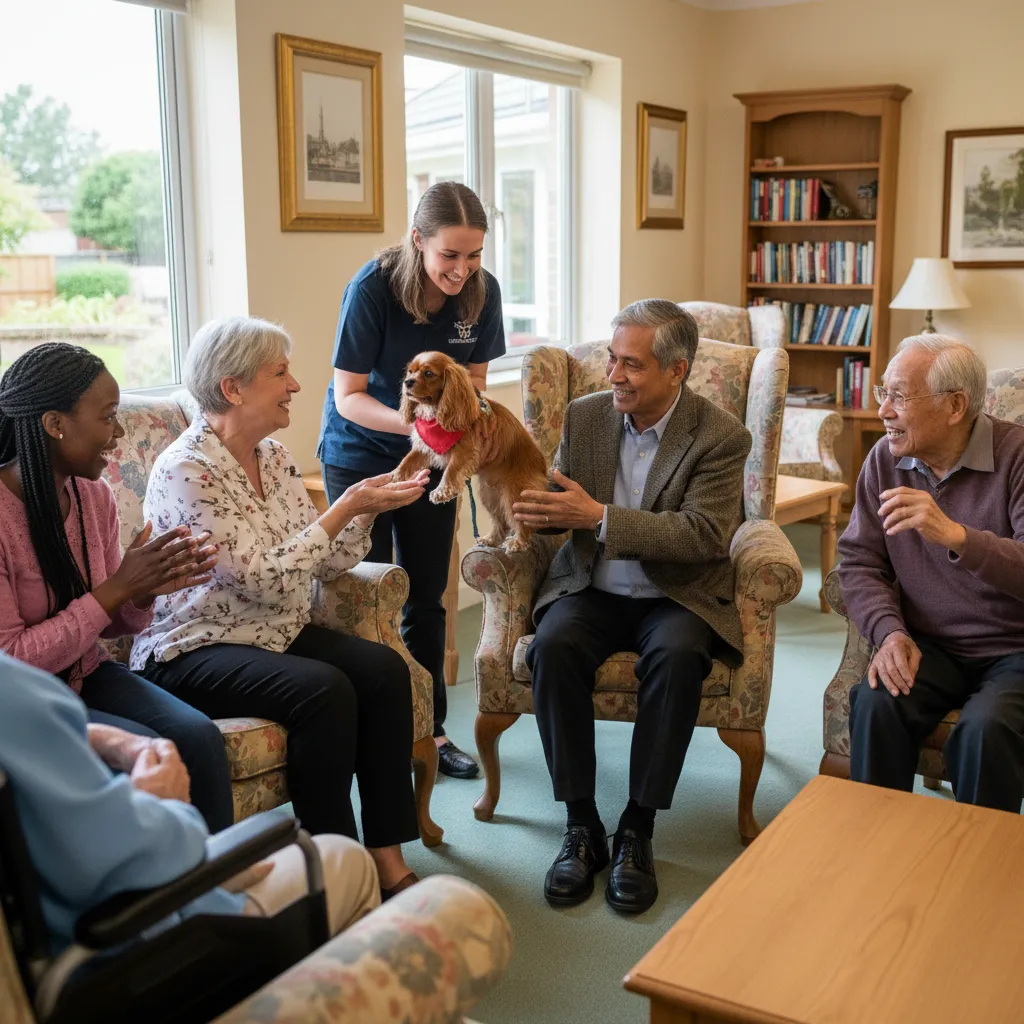
In the New Zealand context, this program plays a vital role in Manaaki (caring for others). Volunteers visit rest homes, hospitals, rehabilitation centers, and schools. By applying for this program, you are not just walking your dog; you are engaging in a structured therapeutic intervention that combats loneliness and promotes well-being across Aotearoa.
Specific Eligibility Criteria for Dogs and Handlers
Before initiating the application process to apply for St John Therapy Pets, it is critical to conduct a self-audit against the strict eligibility requirements. St John maintains high standards to ensure the safety of both the volunteers and the vulnerable populations they visit.
Canine Requirements
Not every family pet is suitable for therapy work. The ideal therapy dog is born, not just made; they require an innate calmness and a high tolerance for strange environments. To be considered, your dog must meet the following criteria:
- Age: The dog must be at least 18 months old. This ensures the dog has passed the puppy stage and has a settled personality. There is no upper age limit, provided the dog is healthy and mobile.
- Health: Dogs must be fully vaccinated, wormed, and treated for fleas regularly. A vet check is often required to certify the animal is free from zoonotic diseases and physical pain (like arthritis) that could make handling uncomfortable.
- Temperament: This is the most critical factor. The dog must be friendly, confident, and placid. They must not show aggression towards other dogs or humans. They must tolerate clumsy handling, loud noises, and medical equipment (like walkers or wheelchairs).
- Basic Obedience: While they do not need ‘competition-level’ obedience, they must walk on a loose lead, sit, stay, and come when called. They must not jump up on people.
- Registration: The dog must be currently registered with your local council.
Handler Requirements
The human half of the team is just as important as the canine. As a handler, you are responsible for advocating for your dog and interacting with the clients. Requirements include:
- Age: You must be at least 18 years old.
- Background Check: Successful completion of a Police Vetting check is mandatory, as you will be working with vulnerable people and children.
- Transport: You must have reliable transport to get to and from your assigned facilities.
- Communication Skills: You must be able to communicate effectively and with empathy. Much of the role involves listening to stories from the elderly or encouraging children to read.
- Time Availability: You must be able to commit to regular visits (discussed further in the commitment section).
The Recruitment Process Timeline
Understanding the timeline when you apply for St John Therapy Pets helps manage expectations. This is not an overnight process; it is a rigorous recruitment drive designed to select the best teams. The process generally follows these steps:
1. Expression of Interest (EOI)
Recruitment is often done in intakes rather than on a rolling basis, depending on the region’s needs. You begin by visiting the St John New Zealand website and completing an Expression of Interest form. If recruitment is closed in your area, you may be placed on a waiting list.
2. Telephone Interview and Pre-Screening
Once your EOI is reviewed, a volunteer coordinator will contact you. This initial interview assesses your motivation, availability, and the general suitability of your dog. Be prepared to answer questions about how your dog reacts to strangers, other dogs, and unexpected noises.
3. The Temperament Assessment
If you pass the screening, you will be invited to a formal assessment day. This is the most significant hurdle in the application process. Independent assessors or canine behaviorists usually conduct this evaluation to ensure impartiality.
4. Police Vetting and Reference Checks
Simultaneous to or following a successful dog assessment, St John will process your police vetting. They will also contact the personal referees you provided in your application.
5. Induction and Training
Successful applicants undergo an induction program. This covers health and safety, infection control, privacy (patient confidentiality), and how to manage visits. You will receive your uniform and your dog’s official St John bandana and ID badge.
6. Mentored Visits
Before you go solo, you will likely accompany an experienced therapy pet team or have a coordinator shadow you on your first few visits to ensure you and your dog are comfortable.
Understanding the Therapy Pet Assessment
Many applicants are nervous about the assessment phase. Knowing what to expect can help you prepare. The assessment simulates a visiting environment to see how the dog reacts to stressors.
Common Assessment Scenarios
During the evaluation to apply for St John Therapy Pets, you may encounter the following:
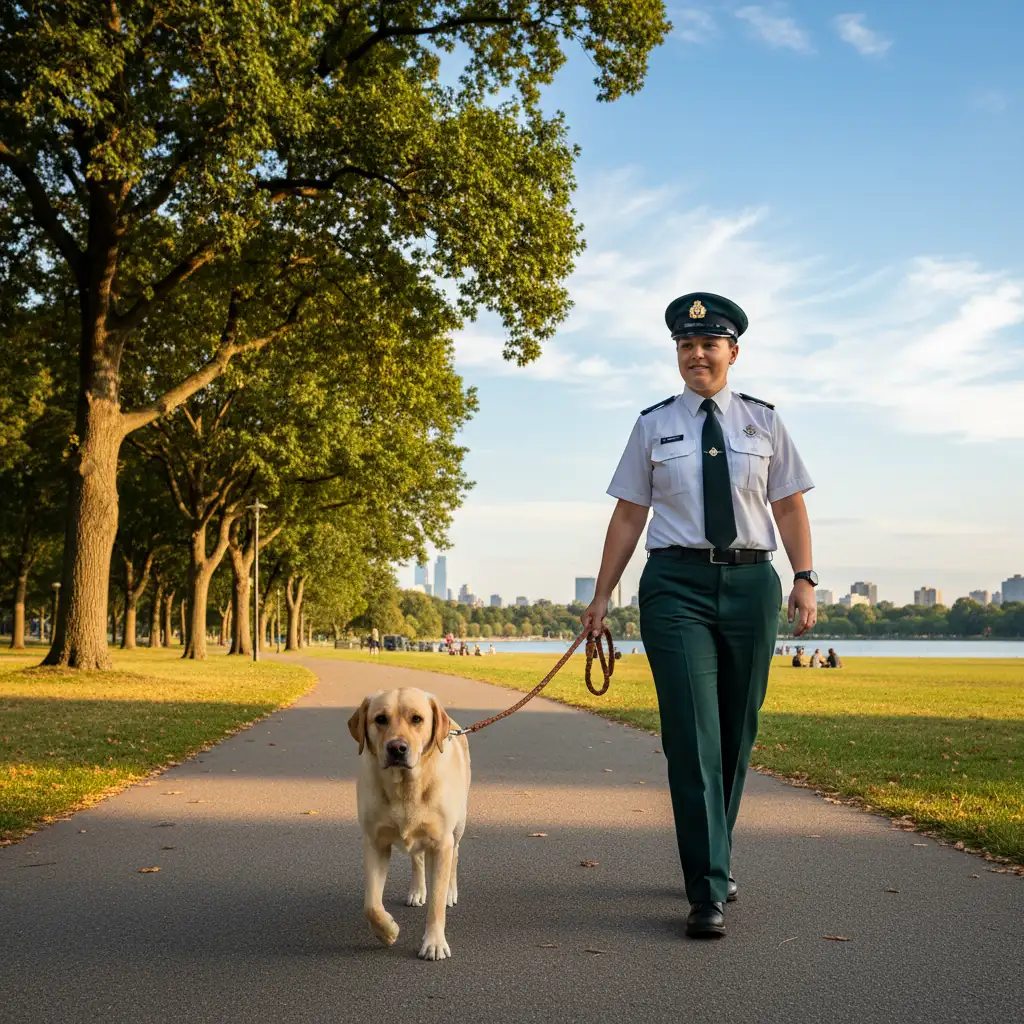
- Loose Lead Walking: Can the dog walk without pulling, even when distracted?
- Reaction to Noise: A metal bowl might be dropped, or a loud noise simulated. The dog can be startled but must recover quickly and not show aggression or extreme fear.
- Crowded Environments: People walking closely past the dog, sometimes bumping them gently.
- Rough Patting: An assessor may simulate a patient with poor motor control patting the dog firmly or clumsily. The dog must not snap or growl.
- Food Refusal: In a hospital setting, pills drop on the floor. The dog should not scavenge or should leave it when told.
- Accepting Strangers: The dog must be willing to approach a stranger for a pat without jumping up.
Pro Tip: If your dog is reactive (barks or lunges) at other dogs, they will likely fail the assessment. Therapy dogs must be neutral toward other animals.
Commitment Expectations
Volunteering with St John is a significant commitment. When you apply for St John Therapy Pets, you are agreeing to become a reliable part of a healthcare or educational team.
Time Requirements
Generally, volunteers are expected to visit their assigned facility once a week or once a fortnight. A typical visit lasts between 45 minutes to an hour. Dogs can find therapy work mentally tiring, so visits are kept relatively short to prevent burnout for the animal.
Duration of Service
Because of the investment in training and vetting, St John usually asks for a minimum commitment of 6 to 12 months. Consistency is key for the clients you visit; they build relationships with your dog and look forward to your specific time slot.
Uniform and Hygiene
You will be required to wear the St John volunteer uniform. Your dog must be impeccably groomed for every visit. This means bathed, brushed, nails trimmed, and free of any odors. This is a strict requirement for entering sterile environments like hospitals.
Specific Programs: Reading Education Assistance Dogs (READ)
Within the St John Therapy Pets framework, there is often an opportunity to participate in reading programs in schools. In this context, children read to the dog. The dog provides a non-judgmental audience, which boosts the child’s confidence and literacy skills. If you are interested in this specific niche, mention it during your application, as it may require additional suitability checks regarding working with children.

Conclusion
Deciding to apply for St John Therapy Pets is a noble choice that benefits your community and strengthens the bond you share with your dog. While the requirements are stringent, they ensure that the program remains safe, professional, and beneficial for all involved. If you have a dog with a heart of gold and a calm demeanor, taking the steps to become a therapy team could be one of the most rewarding experiences of your life.
People Also Ask
What is the difference between a therapy dog and a service dog?
A service dog is trained to perform specific tasks for one person with a disability and has public access rights. A St John Therapy Dog is a pet that visits various people to provide comfort and does not have public access rights to shops or airplanes.
Does my dog need professional training to apply?
No, professional training is not mandatory, but your dog must have excellent manners and basic obedience. Many handlers attend obedience classes to prepare for the assessment, but it is not a prerequisite if the dog is naturally well-behaved.
Can I apply if my dog is on a raw food diet?
This depends on the specific health regulations of the facilities you visit. Some hospitals and rest homes prohibit dogs on raw food diets due to the risk of salmonella and other bacteria shedding, which can compromise immune-compromised patients.
Is there a cost to join St John Therapy Pets?
Generally, there is no fee to become a volunteer. However, you are responsible for the costs associated with your dog’s care, including vaccinations, flea treatments, and grooming required to meet the program’s standards.
What breeds are best for St John Therapy Pets?
St John accepts any breed or mix, provided they pass the temperament test. While Labradors and Golden Retrievers are common, Greyhounds, Poodles, Spaniels, and many mixed breeds make excellent therapy dogs. Temperament is more important than breed.
How long does the application process take?
The process can take anywhere from 6 weeks to 3 months, depending on the timing of intake rounds, the availability of assessors, and the processing time for police vetting.